
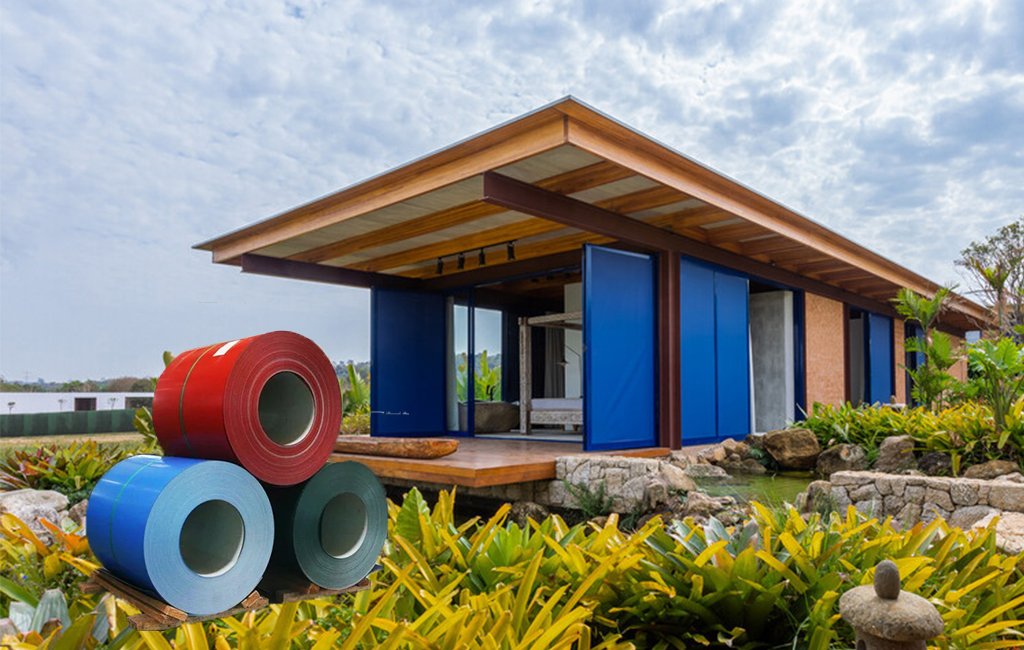
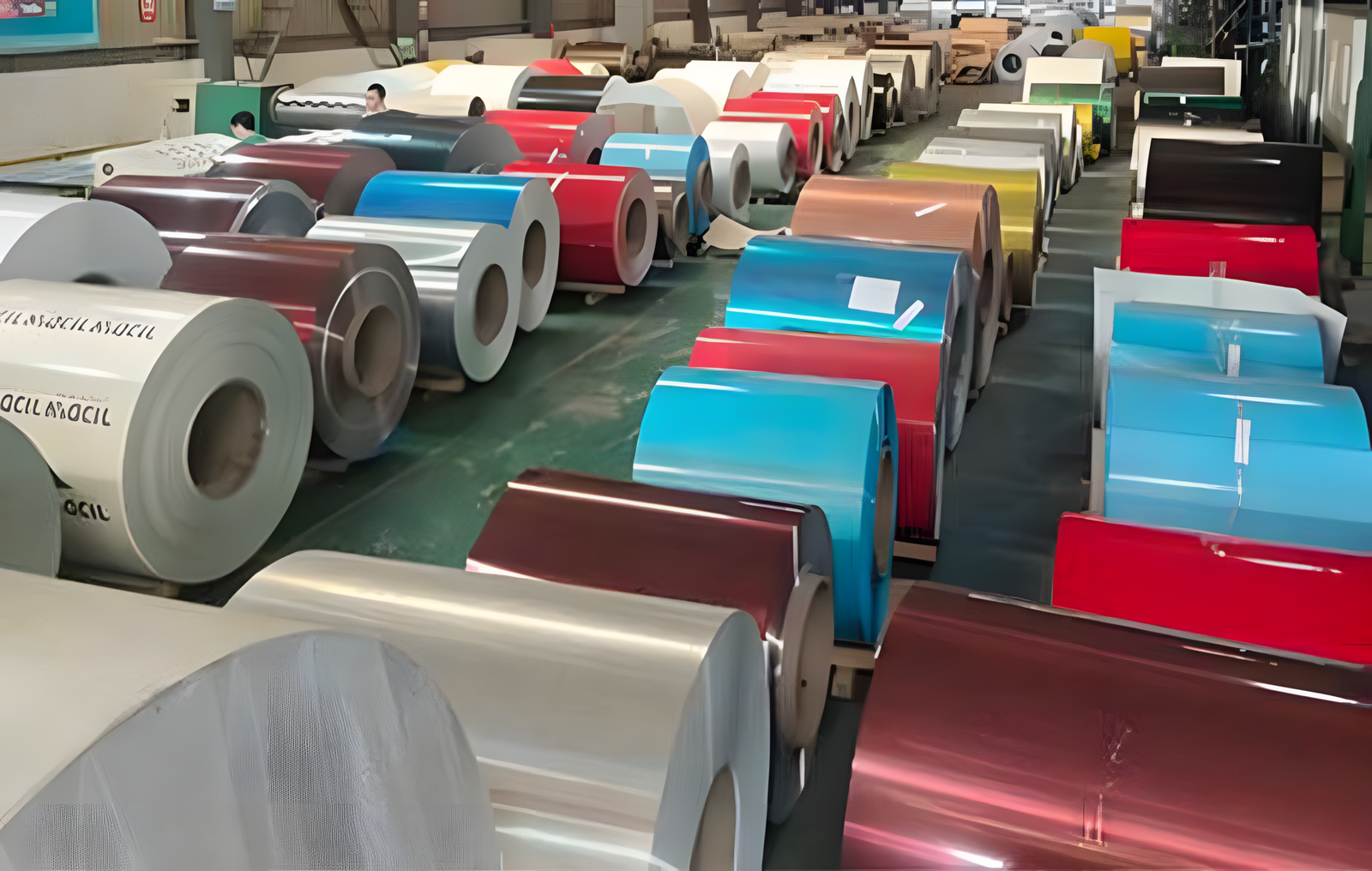
PVC coated aluminum coil is an aluminum sheet or strip that has a polyvinyl chloride-based (PVC) coating applied in a continuous process. It’s a cost-effective option that provides color and surface protection for interior or low-exposure applications. Compared with PVDF or FEVE coatings, PVC coatings typically offer lower weather resistance and UV stability, but can be suitable for decorative or budget-conscious projects where exterior durability is less critical.
PVC coatings enable a broad range of colors and finishes at a lower upfront cost. They are commonly used for interior panels, decorative trims, signage, and some consumer products where long-term outdoor exposure isn’t a primary concern. However, performance in exposure to heat, UV light, and harsh cleaning chemicals may be more limited than PVDF/FEVE coatings. Proper pretreatment and substrate selection remain important to ensure adequate adhesion and corrosion resistance.
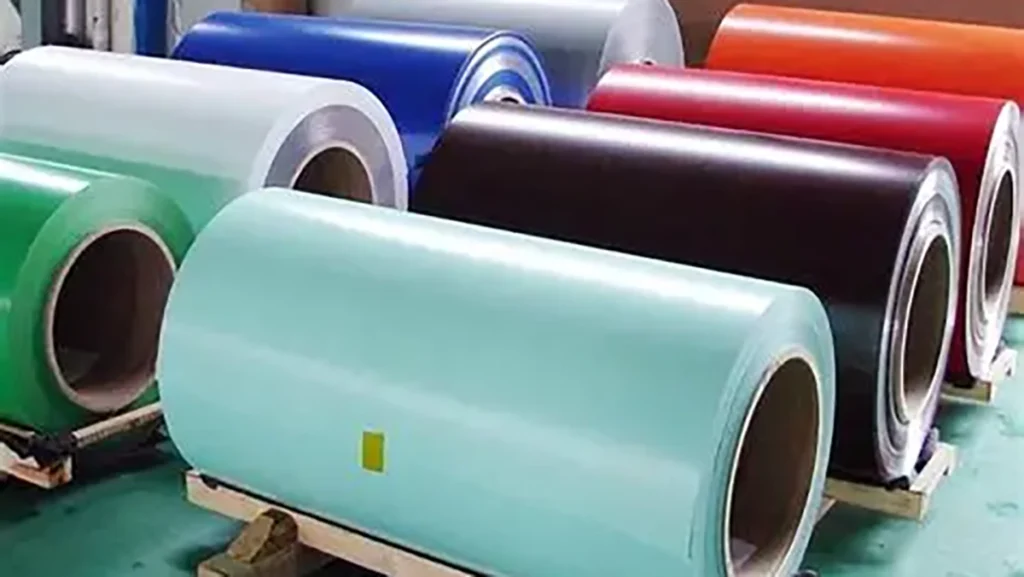
Coating options and performance :
- Coatings: PVC (economical), plus PE (economical base coating), PVDF (superior weather resistance), FEVE (premium durability). PVC is typically favored for interior or lightly exposed surfaces.
- Substrate and pretreatment: AA3000/5000 series aluminum with pretreatment (washing, etching, phosphating) to maximize adhesion and corrosion resistance.
- Thickness and wear: Thicker PVC coatings can improve color depth and wear resistance but increase cost; choose based on intended use and cleaning frequency.
- Color control: Maintain batch-to-batch color consistency to support uniform branding across lots.
- Bonding and installation: Use compatible bonding methods and proper surface prep to ensure lasting adhesion.
- Sustainability and safety: Consider environmental implications and supplier transparency; PVC formulations vary in VOCs and recyclability.