
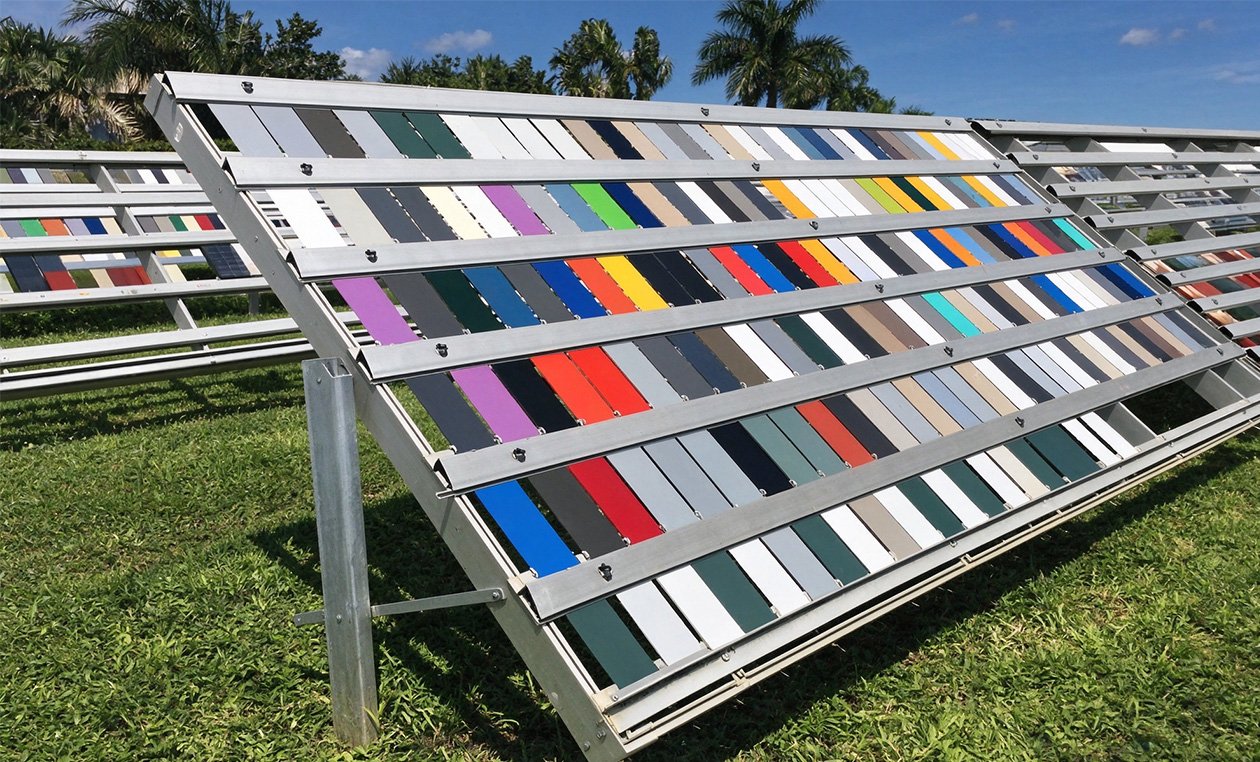
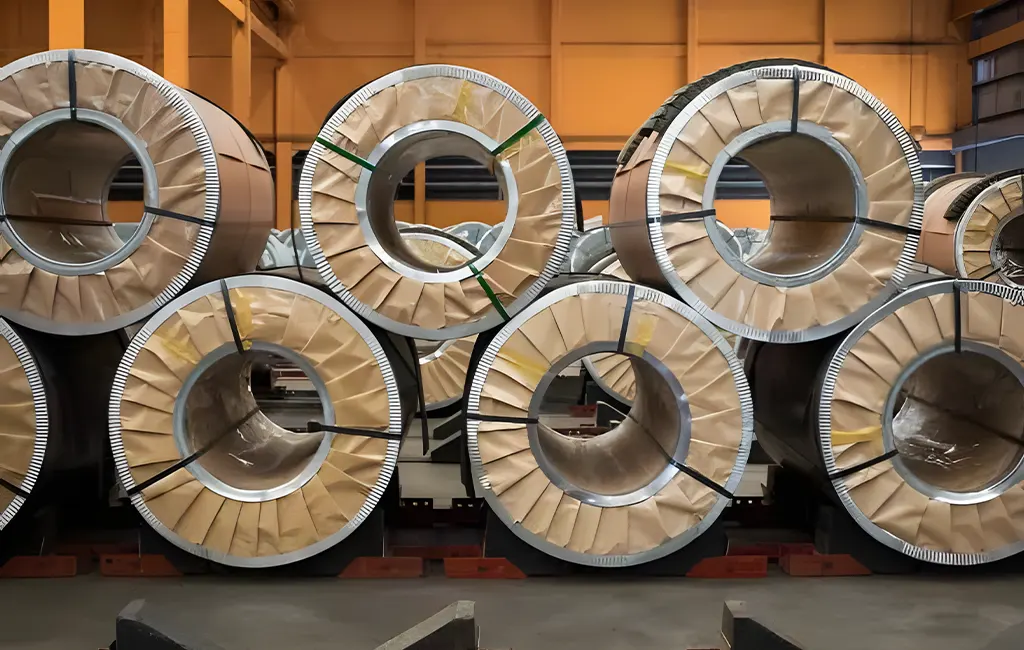
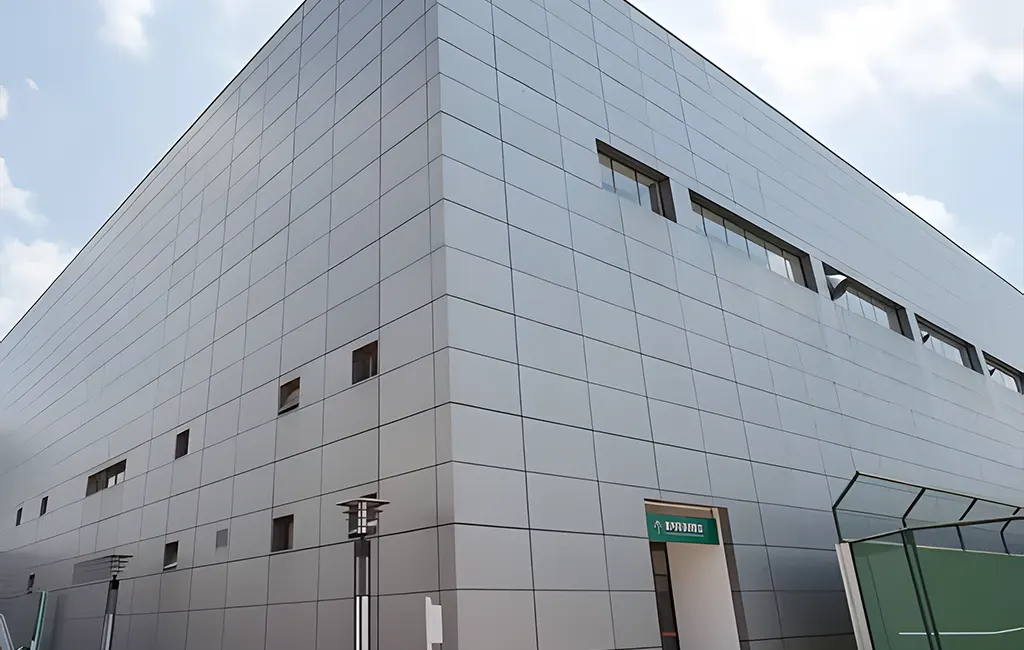
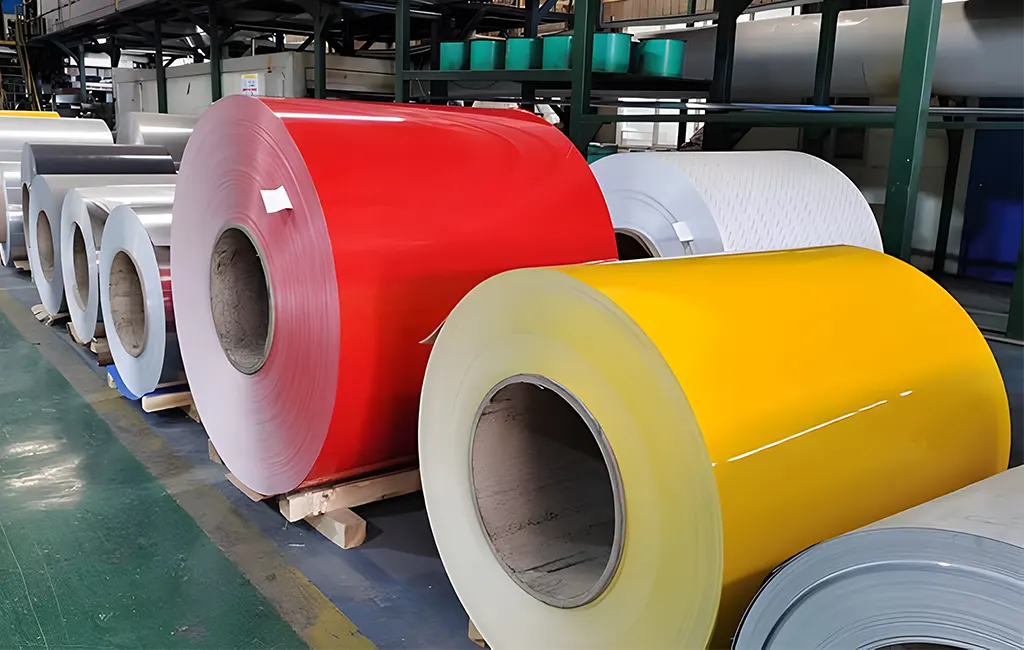
Quality control of color-coated aluminum coil combines continuous in-line monitoring with standardized laboratory tests that verify coating thickness, adhesion, flexibility, corrosion resistance, and weathering performance. Critical parameters include dry-film thickness (typically 25–33 μm for PVDF systems), cross-hatch adhesion (ASTM D3359 rating 5B), T-bend flexibility, and salt-spray resistance (ASTM B117). For high-performance exterior products, the coating system must also satisfy AAMA 2605 requirements, including 10-year South Florida exposure limits on color change (≤5 ΔE) and gloss retention (≥50%). Consistent process control from pretreatment through curing, followed by rigorous end-of-line and laboratory verification, is essential to ensure batch-to-batch reliability and long-term field performance.
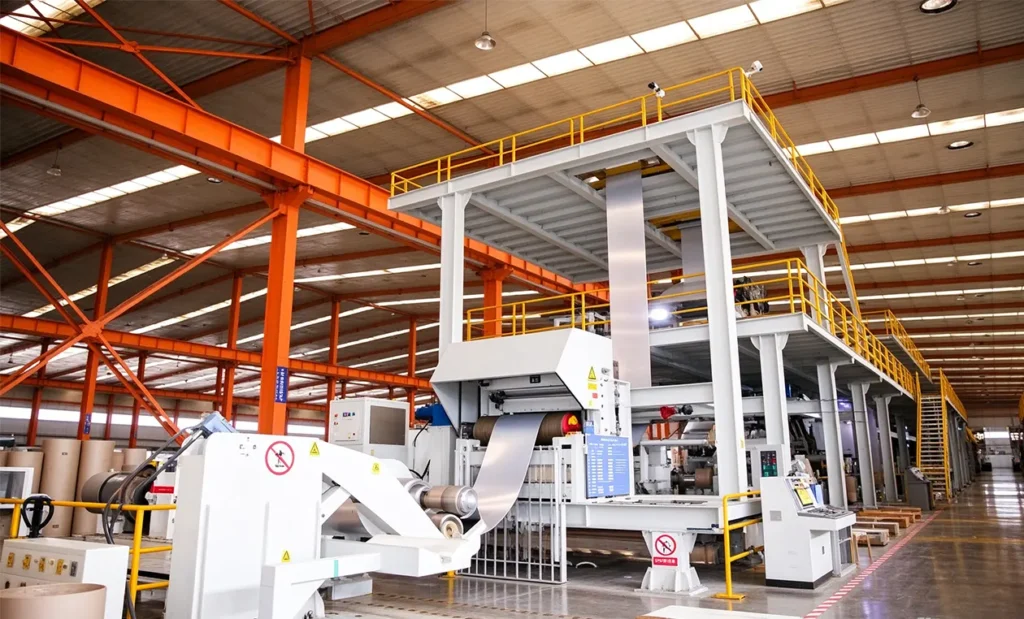
Key Quality Control Tests and Acceptance Criteria
| Test Parameter | Standard Method | Typical Acceptance Criteria (PVDF / AAMA 2605) | Purpose |
|---|---|---|---|
| Dry-Film Thickness | ASTM D7091 / magnetic or eddy-current gauges | Primer 5–8 μm + topcoat 20–25 μm (total 25–33 μm) | Ensures adequate barrier and UV protection |
| Adhesion (Cross-Hatch) | ASTM D3359 | Rating 5B (no peeling) dry, wet, and after boiling water | Verifies coating-to-substrate bond |
| T-Bend Flexibility | ASTM D4145 | ≤2T (no cracking or loss of adhesion) | Confirms formability for roll forming and bending |
| Impact Resistance | ASTM D2794 | No cracking or loss of adhesion at specified energy | Assesses toughness under mechanical stress |
| Pencil Hardness | ASTM D3363 | ≥HB to F (depending on system) | Measures surface hardness and scratch resistance |
| Solvent Resistance (MEK) | ASTM D5402 | ≥100–200 double rubs without breakthrough | Indicates degree of cure |
| Salt Spray | ASTM B117 | 4,000 hours; limited creepage from scribe | Evaluates corrosion protection |
| Humidity Resistance | ASTM D2247 / D4585 | 4,000 hours; no blistering | Tests moisture barrier performance |
| Color Difference (ΔE) | ASTM D2244 / CIE Lab | ≤5 after 10-year Florida exposure | Quantifies long-term color stability |
| Gloss Retention | ASTM D523 | ≥50% after 10-year Florida exposure | Measures surface appearance retention |
| Chalking Resistance | ASTM D4214 | Rating ≥8 (colors) / ≥6 (whites) after 10 years | Assesses surface degradation |
Criteria are aligned with AAMA 2605 and typical coil-coater specifications; exact limits may vary by product data sheet.
In-Line Process Monitoring
Continuous coil coating lines employ real-time controls to maintain consistent quality:
- Film thickness gauges (beta-ray, X-ray, or optical) measure wet or dry coating weight on both sides of the strip.
- Oven temperature profiling ensures peak metal temperature remains within the required range (typically 230–250 °C for PVDF) for proper curing.
- Viscosity and solids content of primer and topcoat are monitored to keep applied film thickness stable.
- Surface inspection systems detect defects such as streaks, pinholes, or contamination before the coil is recoiled.
Deviations trigger automatic adjustments or line stops to prevent non-conforming material from proceeding.

Laboratory Performance Verification
After production, representative samples undergo a battery of laboratory tests. Adhesion is evaluated dry, after water immersion, and after boiling water exposure. Flexibility is confirmed by T-bend and impact testing to ensure the coated coil can withstand subsequent roll forming, brake pressing, or stamping without coating failure.
Corrosion performance is assessed primarily by neutral salt spray (ASTM B117) and humidity cabinet exposure. For AAMA 2605 products, 4,000-hour results with minimal scribe creepage and no field blistering are required. Accelerated weathering (QUV or xenon arc) provides early indication of color and gloss stability, while full qualification relies on actual South Florida outdoor exposure data.
Color and Appearance Control
Color consistency is critical for architectural applications. Spectrophotometers measure ΔE against master standards under controlled lighting (D65, 10° observer). Batch-to-batch ΔE is typically held below 0.5–1.0 for solid colors. Gloss is measured at 60° (ASTM D523) and must remain within specified tolerance. Metallic and mica finishes require additional visual evaluation under standardized viewing conditions because instrumental readings alone may not capture flop or sparkle effects.
Documentation and Traceability
Each production coil is accompanied by a certificate of conformity that records alloy, temper, coating system, measured film thickness, adhesion results, and any special test data. Full traceability from substrate coil through pretreatment chemistry, coating batch numbers, and cure conditions supports quality claims and facilitates root-cause analysis if field issues arise.
Application of Test Results to Specification
Specifiers should require:
- Explicit reference to the applicable AAMA class (2605, 2604, or 2603)
- Minimum dry-film thickness for primer and topcoat
- Documented adhesion, flexibility, and corrosion test results
- Color and gloss retention data from outdoor exposure or equivalent accelerated testing
Matching the required test package to the project’s environmental exposure and service-life expectations ensures that the delivered color-coated aluminum will perform as intended.