
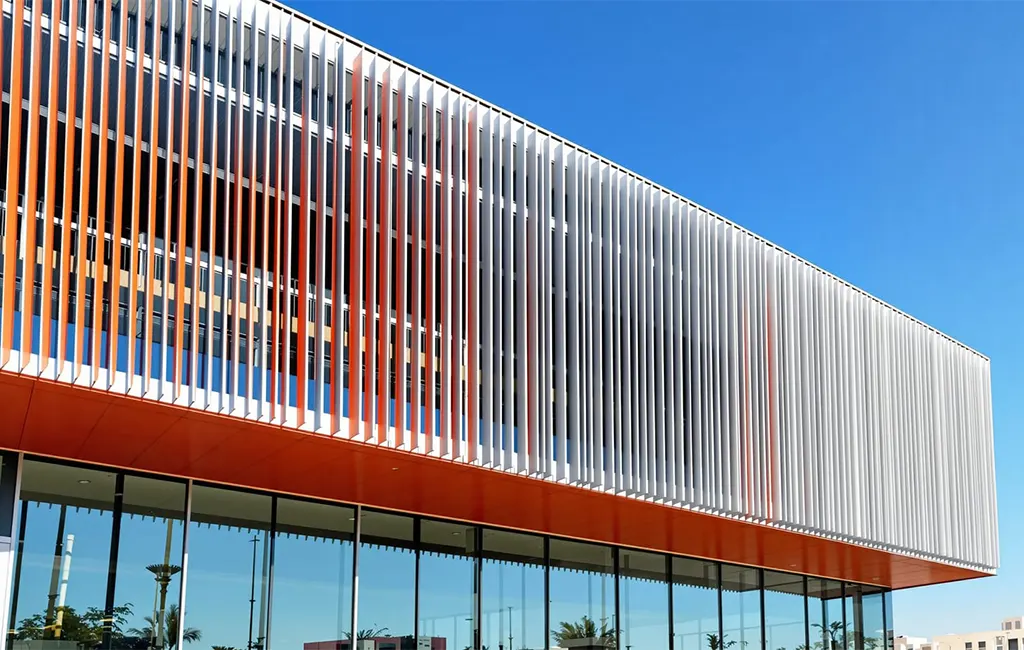
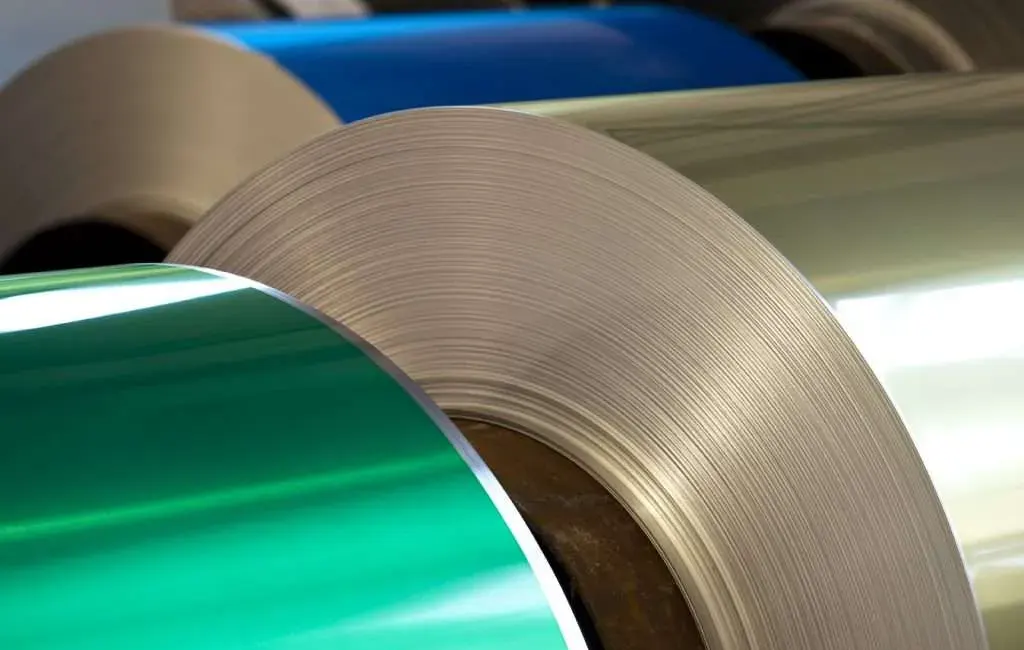
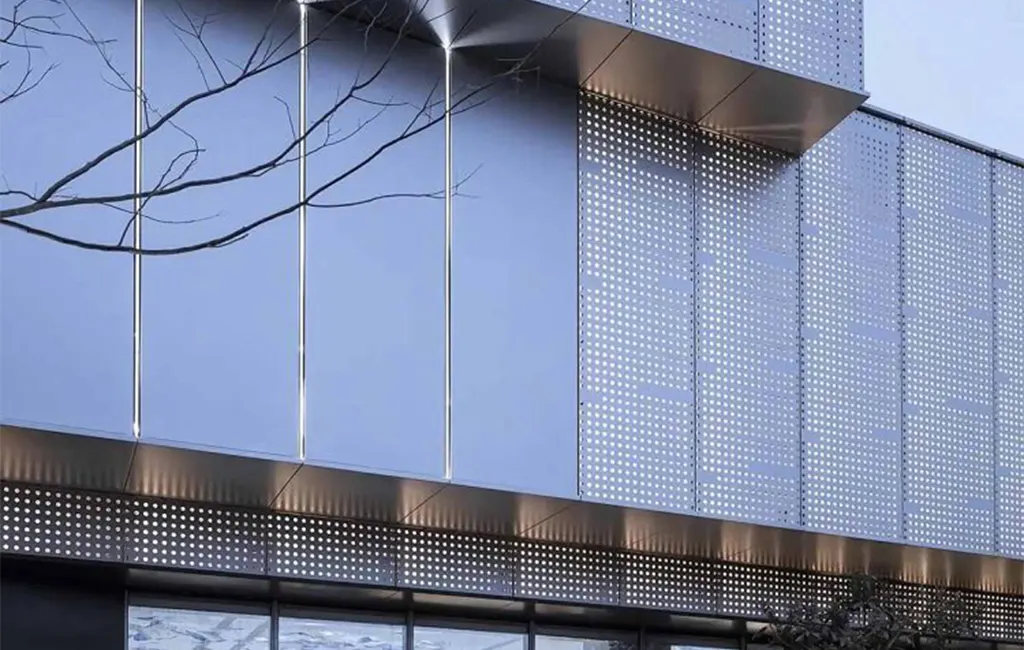

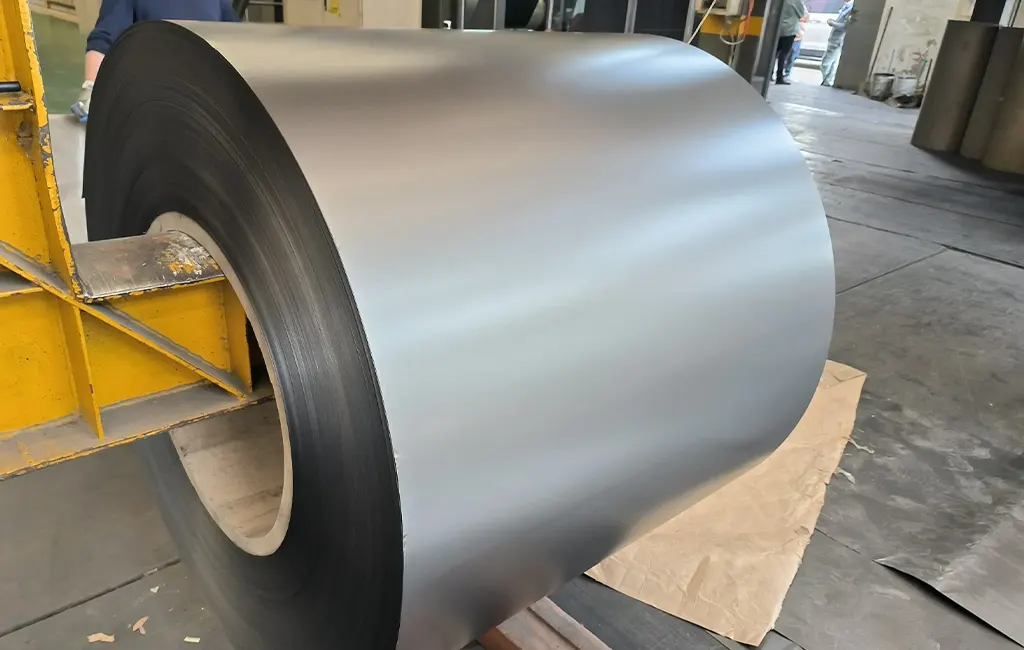
Yes, anti-graffiti pre-painted aluminum coil (featuring specialized PVDF-fluoropolymer[2]/[3]or silicone-modified clear topcoats) can be repaired on-site, provided the damage does not expose the raw aluminum substrate to severe crevice corrosion. Minor surface scuffs on the sacrificial anti-graffiti layer are restored via solvent cleaning or localized touch-up with dual-component fluoropolymer[3]repair pens. If mechanical scratching penetrates the 25–30μm primer/topcoat system down to the Al-alloy (e.g., 3003/5052), field restoration requires mechanical feathering, a corrosion-inhibiting chromate-free conversion coat application, and an air-cure fluoropolymer[3] touch-up kit. Complete panel replacement remains mandatory for structural envelope breaches under AAMA 2605 high-performance exterior architectural standards.
TTechnical Parameter Matrix: Anti-Painted & Anti-Graffiti Coil Systems
| Parameter / Metric | Standard PVDF Anti-Graffiti Coil | High-Durability FEVE Anti-Graffiti Coil | Anodized + Clear Seal System | Standard Polyester (PE) Coil |
| Aluminum Alloy Grade | 3003-H24 / 5052-H32 | 3003-H24 / 3005-H14 | 5052-H32 / 6063-T5 | 1100 / 3003 |
| Topcoat / Functional Layer | PVDF[2] + Fluoropolymer[3] Clear | FEVE (Fluoroethylene Vinyl Ether) | Anodic Oxide + Fluorocarbon | Standard Polyester (PE) |
| Coating Thickness (μm) | 25–35 μm (Top: 20, Clear: 10) | 30–40 μm | 15–25 μm (Anodic layer) | 18–25 μm |
| UV Exposure Resistance | > 3,000 hours (ASTM G155) | > 4,000 hours (ASTM G155) | Unlimited UV (Inorganic oxide) | 500–1,000 hours |
| Salt Spray Test (SST) | > 3,000 hours (ASTM B117) | > 4,000 hours (ASTM B117) | > 3,000 hours | 500–1,500 hours |
| Color Retention Rate | ≥ 95% (10-year Florida exposure) | ≥ 98% (10-year Florida exposure) | 100% (No organic pigment fade) | 60–75% (3-year degradation) |
| Operating Temp Range (°C) | -50°C to +120°C | -50°C to +130°C | -60°C to +150°C | -40°C to +80°C |
| Graffiti Cleanability | > 50 solvent/cleaner cycles | > 100 solvent/cleaner cycles | High (solvent resistant) | Poor (solvent damages paint) |
| On-Site Scratch Repairability | Moderate (Localized touch-up kit) | Moderate-High (FEVE match blend) | Low (Requires mechanical re-anodize/replace) | Low (Color/gloss mismatch inevitable) |
Atomic & Modular Sections
Anti-Graffiti Topcoat Mechanism & Scratch Vulnerability
- Composition: Multi-layer coil coating featuring a high-density fluoropolymer[3]
(PVDF[2]/FEVE) surface network with low surface-energy characteristics that reject marker pigments, spray paint aerosols, and poster adhesives. - Failure Mode on Scratch: Sharp mechanical objects (vandals using keys, knife blades) shear through the soft low-surface-energy topcoat. Because the underlying primer layer (5–10μm) or bare aluminum is revealed, environmental moisture initiates localized galvanic or filiform action if left unsealed.
- Maintenance Reality: Facilities management teams in transit hubs and urban commercial towers avoid full panel teardowns by utilizing localized FEVE/PVDF[2] repair chemistries that re-establish barrier protection without removing composite rainscreen cassette panels.
Alloy Selection and Corrosion Vulnerability in Field Repairs
- Alloy Behavior: Architectural panels utilize 3003-H24 (general architectural) or 5052-H32 (marine/high-salinity environments featuring 2.2–2.8% Mg for enhanced intergranular corrosion resistance).
- Repair Constraint: Scratch repair on 5052 deployed within coastal ISO corrosivity Category C4/C5 environments demands strict conversion coating; skipping chemical conversion under the patch leads to creep corrosion extending > 2mm from the scratch edge within 1,200 salt spray hours[1].
- Compliance Anchor: All field repair procedures must respect AAMA 2605-20 performance baselines regarding chalking resistance, color retention, and film integrity.
When On-Site Repair Fails: Replacement Triggers
- High-Traffic Commercial Mandate: Public-facing corporate atriums and high-rise curtain walls specify factory coil-coated uniformity; field brush/pen touch-ups are restricted to secondary elevations, service corridors, or non-eye-level soffits.
- Linear Scratch Density: Continuous linear scratching exceeding 1.5 meters per panel or clustered gouges affecting > 15% of surface area render manual touch-up aesthetically unacceptable due to gloss halo effects.
- Substrate Oxidation: Visible white rust or pitting corrosion precursors on the exposed aluminum matrix require immediate cassette/panel uninstallation and replacement from factory-matched coil batches (ensuring ΔE batch consistency).
References
[1] Wikipedia. Salt spray test [EB/OL]. 2026-09-17. [2] Wikipedia. Polyvinylidene fluoride [EB/OL]. 2026-09-17. [3] Wikipedia. Fluoropolymer [EB/OL]. 2026-09-17.