
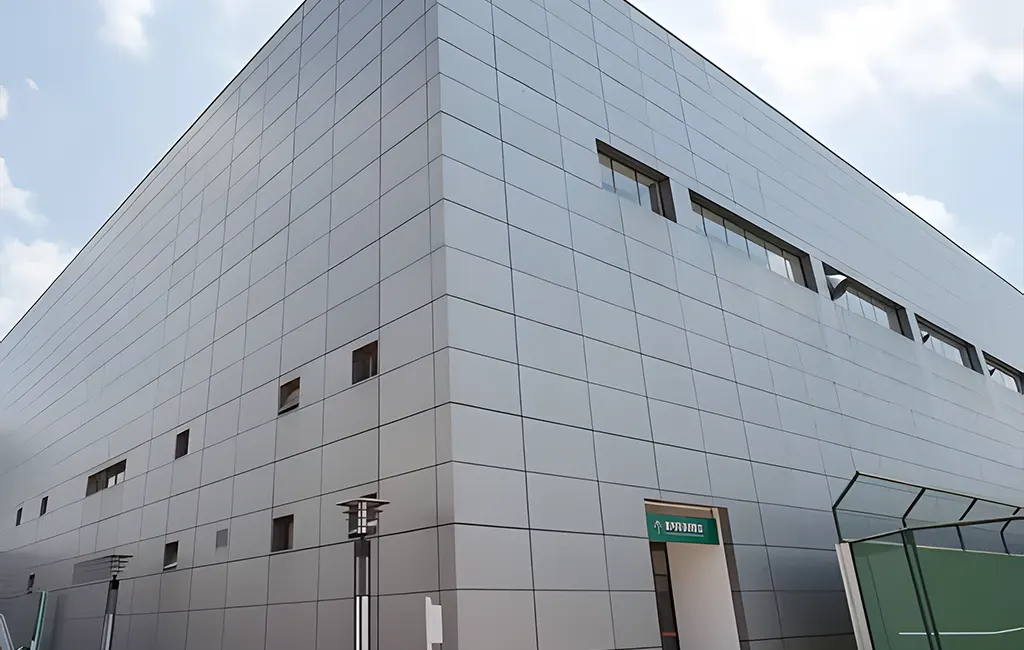
Color‑coated (pre‑painted) aluminum coil is widely used for outdoor building facades, roofing, curtain‑wall cladding and exterior decorative panels. Its practical service life varies greatly in real‑world projects, ranging from 5‑8 years for low‑spec products to over 30 years for high‑end systems under suitable conditions.
Many project teams assume service life depends solely on paint grade. However, actual durability is determined by multiple links: coating formulation, aluminum‑alloy substrate, surface pretreatment, local atmospheric environment, fabrication‑installation protection and periodic maintenance. Even premium PVDF fluorocarbon coatings may suffer chalking, fading, blistering or peeling prematurely if upstream or on‑site steps are poorly controlled.
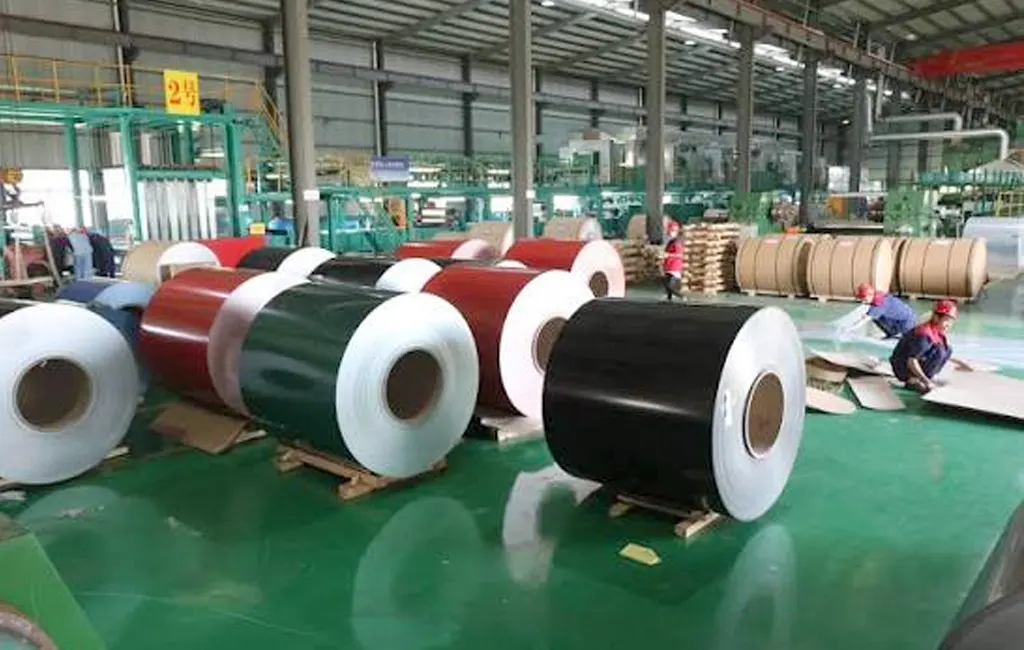
Core Factors That Determine Outdoor Service Life
1. Coating system and dry‑film thickness
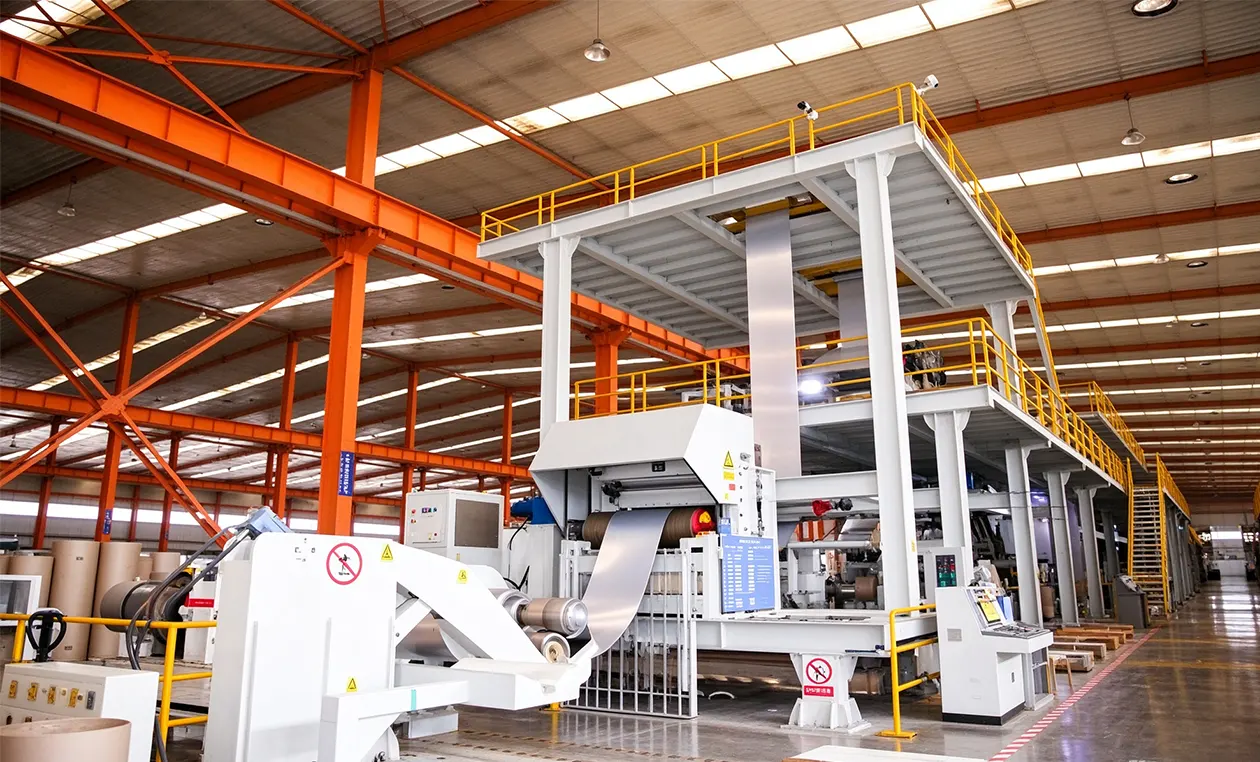
Coating resin chemistry is the primary factor governing weathering performance. Common coil‑applied organic coatings for architecture are PE polyester, HDP high‑durability polyester, SMP silicone‑modified polyester and PVDF fluorocarbon. Roller coil coating delivers far more uniform dry‑film thickness than on‑site spray painting. Insufficient thickness of primer, topcoat or back‑coat reduces barrier performance against ultraviolet light, moisture and corrosive agents and shortens service life, even for high‑quality resin systems.
2. Aluminum‑alloy substrate and surface pretreatment
3003 and 3005 aluminum‑manganese alloys are the preferred substrate for outdoor exposed applications, balancing mechanical workability and atmospheric corrosion resistance. Degreasing plus chromate or chrome‑free passivation pretreatment defines paint‑to‑metal adhesion. Defects in pretreatment cause hidden under‑film corrosion and blistering; top‑coat appearance can remain intact while corrosion spreads underneath the coating layer.
3. Local outdoor environmental conditions
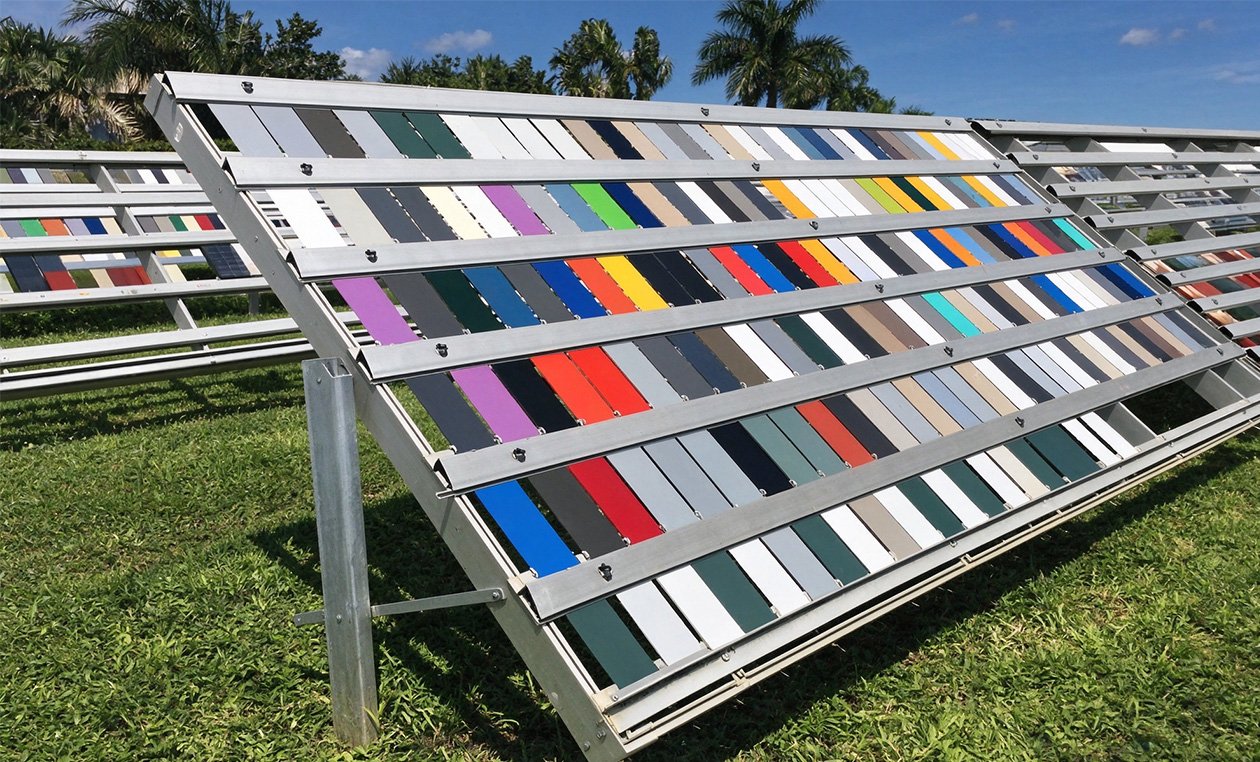
- Ultraviolet radiation: UV radiation breaks resin molecular chains and triggers gloss loss, chalking and colour fading. Plateau, desert and tropical‑subtropical zones have much higher UV exposure levels.
- Coastal marine atmosphere: Chloride‑rich salt spray accelerates coating degradation and substrate pitting corrosion. Ordinary coating grades cannot achieve long service lifetime in marine environments.
- Industrial‑polluted zones: Acid rain, sulphide gases and surface dust deposits speed‑up coating ageing. Contaminants trapped on panel surfaces amplify weathering damage.
- Thermal‑cycling stress: Large diurnal temperature swings produce repeated thermal expansion‑contraction cycles. Brittle low‑quality coatings gradually develop micro‑cracks under cyclic stress.
4. Fabrication, processing and on‑site storage & installation
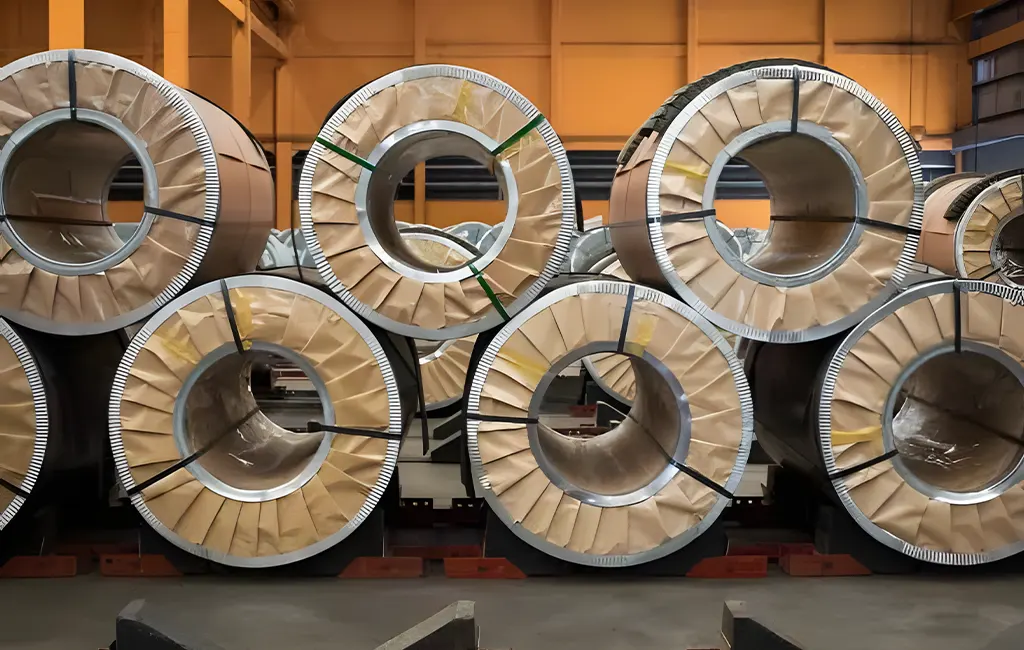
Cut edges, drilled openings and surface scratches generated during bending, stamping and erection act as typical failure initiation points. Bare unprotected aluminum at cut edges is directly exposed to humidity and corrosive atmosphere. Improper pre‑installation storage such as outdoor stacked coils with trapped moisture between layers can create hidden coating defects before mounting is completed.
5. Routine post‑installation maintenance
Salt residues, industrial dust and dirt accumulated on cladding surfaces shall be cleaned periodically. Persistent surface contaminants accelerate coating degradation. Regular visual inspection enables early detection of chalking and partial peeling before large‑area coating failure occurs.
Comparison of Mainstream Outdoor Coating Systems for Color‑Coated Aluminum Coil
| Coating Type | Typical Dry‑Film Thickness (Primer+Topcoat) | Estimated Outdoor Service Life | Core Advantages | Key Limitations | Recommended Application Scenarios |
|---|---|---|---|---|---|
| PE Polyester | 18‑22 μm | 8‑12 years | Wide colour palette, good formability, cost‑effective | Moderate UV‑resistance; prone to chalking under strong sunlight | Mild‑climate inland secondary‑building facades, non‑critical roofing |
| HDP High‑Durable Polyester | 22‑26 μm | 12‑18 years | Improved UV‑resistance and gloss retention compared to standard PE | Not suitable for heavy‑salt coastal conditions | General‑purpose public buildings, inland industrial‑plant cladding |
| SMP Silicone‑Modified Polyester | 22‑28 μm | 15‑20 years | Excellent gloss retention, moderate chemical resistance | Relatively limited colour selection | Industrial‑building roofing, mid‑grade exterior wall panels |
| PVDF Fluorocarbon | 25‑35 μm (double‑coat double‑bake) | 20‑30+ years | Superior UV‑resistance, salt‑spray and chemical‑pollution tolerance, stable colour‑gloss performance | Higher material cost, strict curing‑process requirements | Coastal‑zone buildings, landmark curtain walls, high‑grade public‑facade projects |
Practical Project Specification Guidance
- Match coating grade to local environment: Select PVDF fluorocarbon systems for coastal and heavily‑polluted industrial projects. Avoid ordinary PE coatings for marine‑area projects requiring long‑term service life.
- Define complete technical indicators in tender documents: Specify coating category, dry‑film thickness for primer and topcoat, pretreatment requirements, aluminum‑alloy grade and reference standards such as AAMA 2603 / AAMA 2605. Do not judge product quality based merely on visual surface colour.
- Control processing and storage risks: Retain protective films during fabrication and installation; implement protection for cut edges; prevent paint‑surface scratching. Avoid un‑sheltered outdoor coil storage before installation.
- Establish reasonable maintenance cycles: For coastal projects perform surface cleaning every 1‑2 years to remove salt deposits; carry‑out periodic visual inspection to capture early‑stage coating defects.
Common Specification Pitfalls
- Focusing only on top‑coating performance while ignoring pretreatment and primer‑thickness requirements. Premium paint cannot deliver long service life with poor substrate passivation.
- Expect multi‑decade durability for low‑cost PE‑coated aluminum coils deployed in coastal salt‑spray environments.
- Ignoring cut‑edge protection: corrosion propagates inward from bare cut edges and eventually triggers large‑area paint peeling.
- Skipping post‑installation maintenance and allowing salt and industrial contaminants to accumulate permanently on panel surfaces.
References
Wikipedia, Prepainted metal.