
Why Dark Color-Coated Facades Stain and How to Prevent It
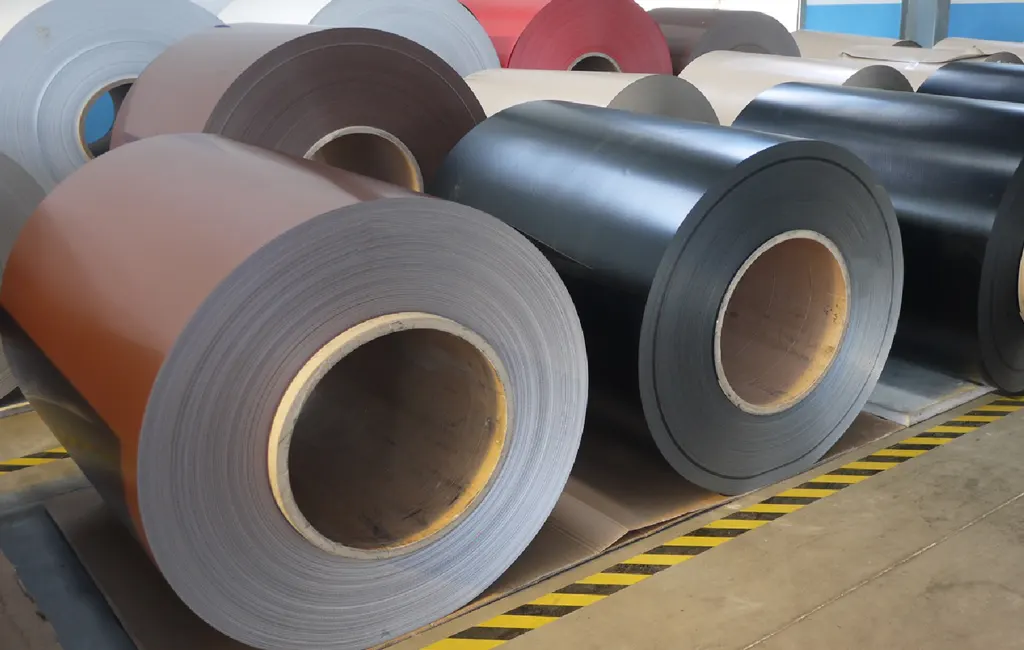
Dark color-coated aluminum facades stain primarily due to chalking, thermal-induced hydrophobic breakdown, atmospheric particulate deposition, and chemical etching. Darker pigments (such as carbon black or iron oxides) absorb higher amounts of solar radiation, raising surface temperatures up to 80°C. Thermal cycling accelerates binder degradation in lower-grade coatings, causing resin erosion and free-pigment exposure (chalking). Furthermore, […]
Can back‑coat quality affect the long‑term service life of color‑coated aluminum panels?
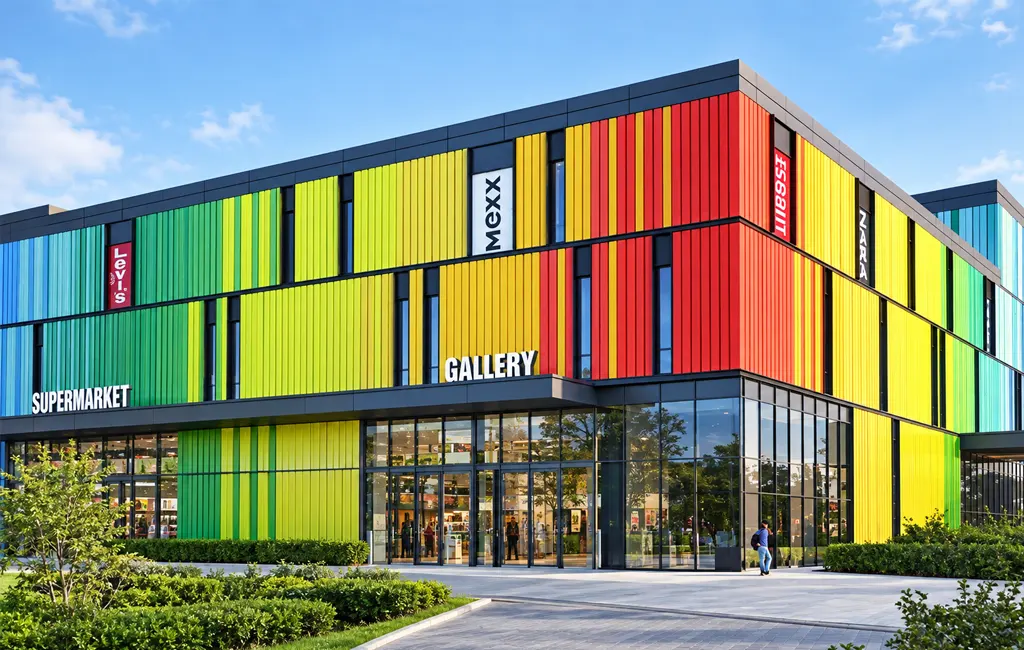
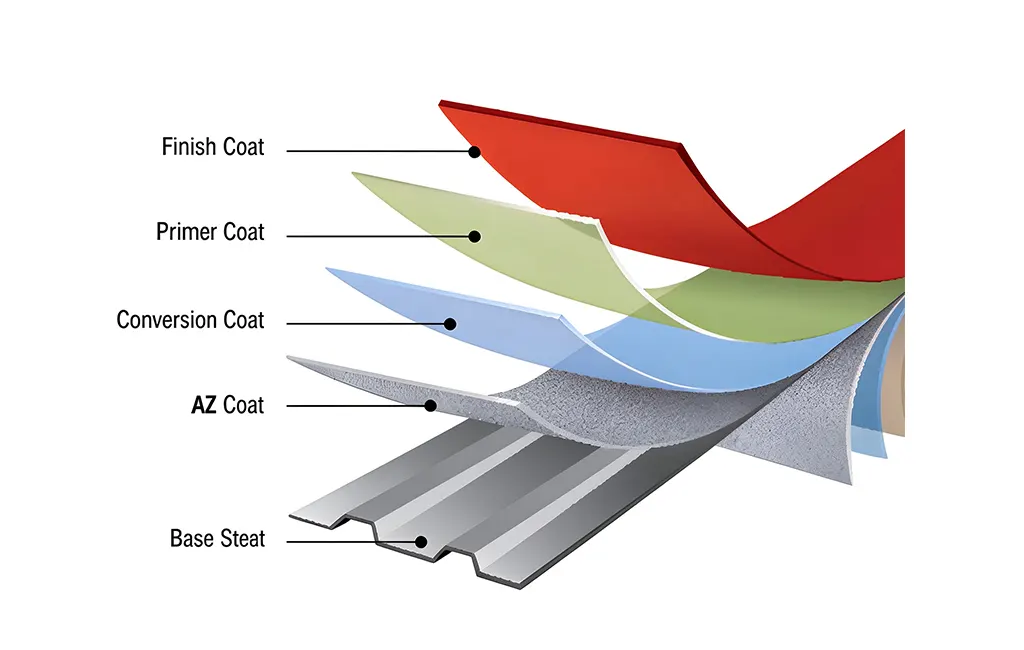
back-coat quality directly determines the long-term service life, structural integrity, and corrosion resistance of color-coated aluminum panels. While the architectural focus typically centers on the front-side PVDF coating [1], the reverse-side back-coat (commonly a 5μm to 15μm thick polyester, epoxy, or polyurethane coating) acts as the primary barrier against moisture diffusion, alkaline attack from insulation […]
Choosing Reflective Color-Coated Aluminum Roofs
Selecting a reflective color-coated aluminum roofing system requires balancing solar reflectance, thermal emittance, coating durability, and architectural appearance. Unlike conventional roofing materials that may absorb substantial solar radiation, reflective aluminum roofing uses engineered coating systems and carefully selected pigments to reduce solar heat gain. When properly specified, these systems can help lower roof surface temperatures, […]
Why Color-Coated Aluminum Is the Ideal Material for Sound Barrier and Acoustic Fence Panels
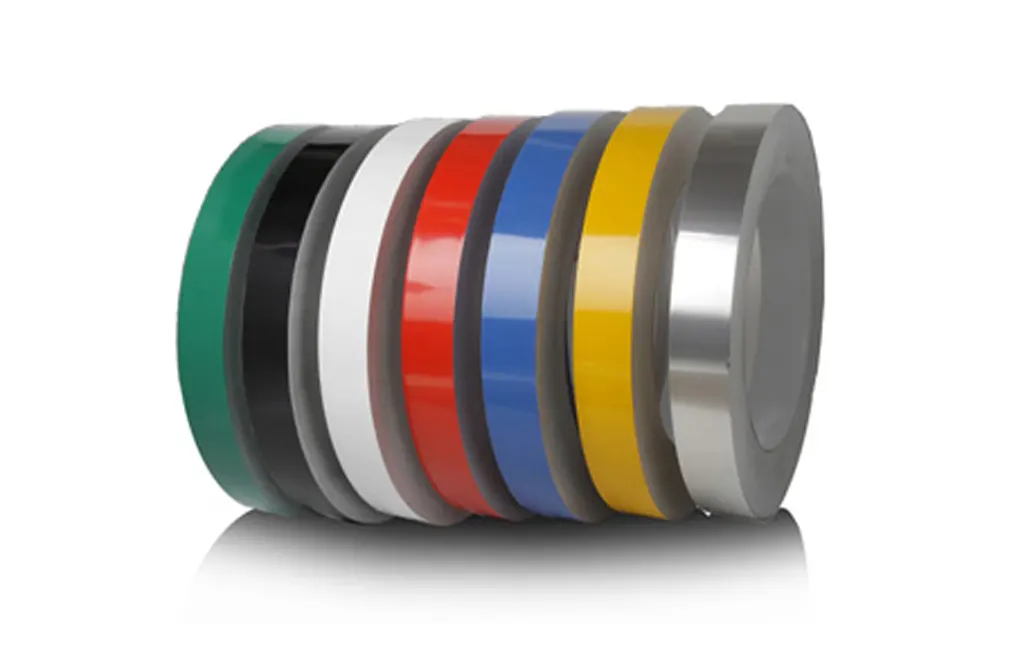
Color-coated aluminum is a high-performance architectural and industrial metal combining lightweight 3000-series or 5000-series aluminum alloy substrates with advanced factory-applied organic finishes such as PVDF (Polyvinylidene Fluoride) or Polyester (PE) coatings. Engineered for structural integrity, acoustic performance, and exceptional environmental weatherability, it serves as the primary skin and framing material for highway, railway, and industrial […]
Technical Mechanism of High-SRI White Color-Coated Aluminum in Reducing Building Cooling Loads
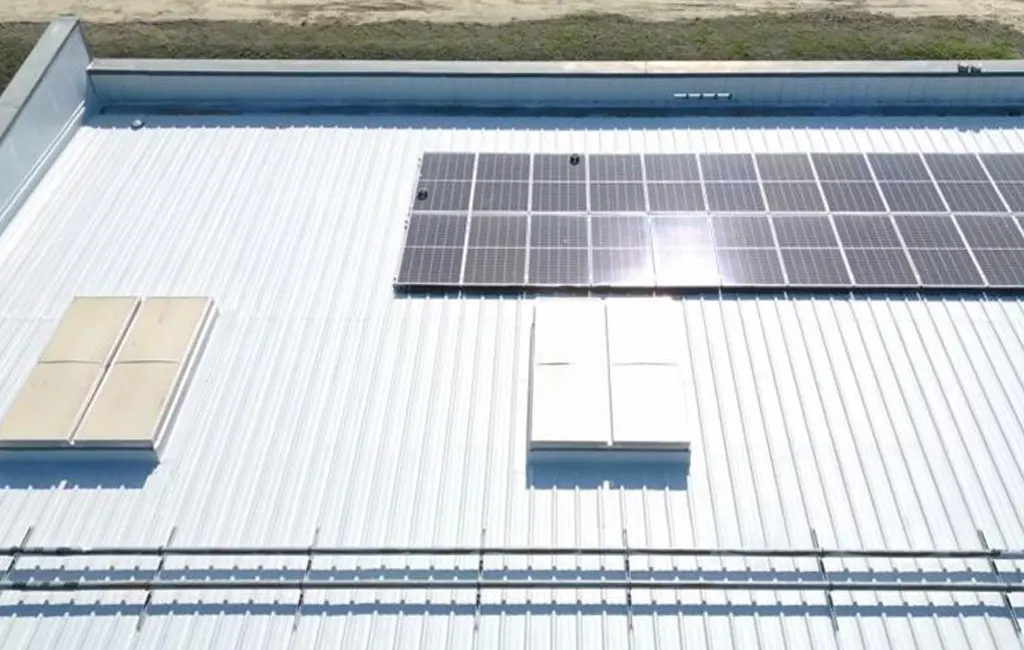
High-SRI (Solar Reflectance Index) white color-coated aluminum reduces building cooling loads by combining a high-purity aluminum alloy substrate (typically 3003 or 5052 series) with a specialized Polyvinylidene Fluoride (PVDF) [1] or advanced fluoropolymer coating embedded with infrared-reflective pigments. Operating under ASTM E1980 standards, an architectural white coil with an SRI value exceeding 108 reflects up […]
Color-Coated Aluminum for Solar Panel Frames
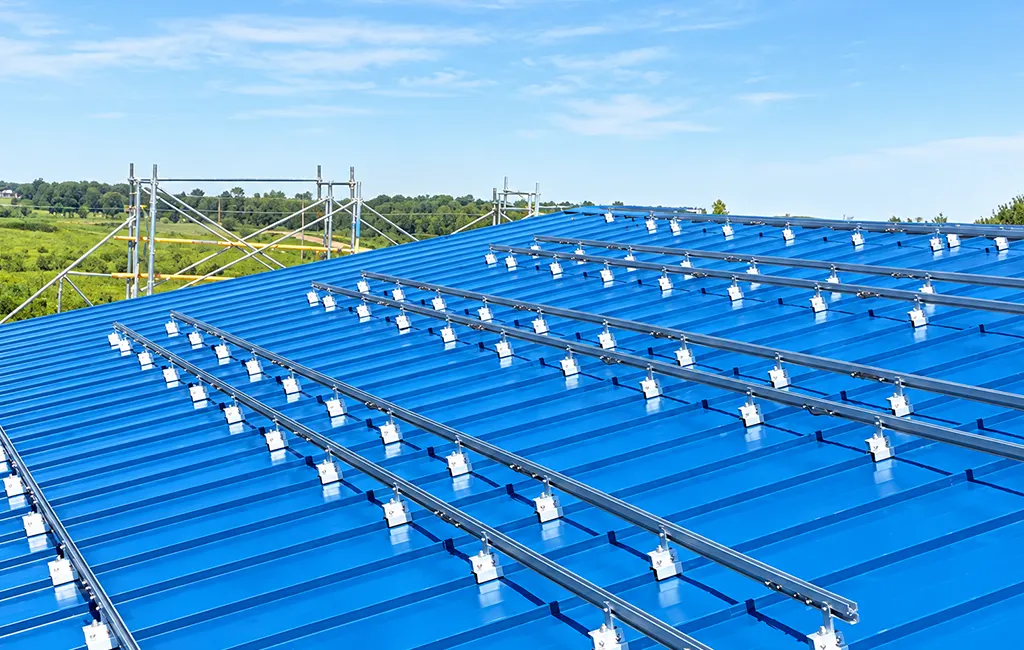
Color-coated aluminum—specifically utilizing 3003 or 6061 aluminum alloy substrates finished with a Polyvinylidene Fluoride (PVDF) or advanced thermoset polyester coating—delivers superior corrosion resistance and structural weight reduction for photovoltaic (PV) mounting systems. Unlike traditional mill-finish or anodized aluminum, pre-painted aluminum undergoes rigorous chemical pre-treatment (degreasing and chromating) followed by precision coil coating, yielding a uniform […]
Which Color-Coated Aluminum Colors Qualify?
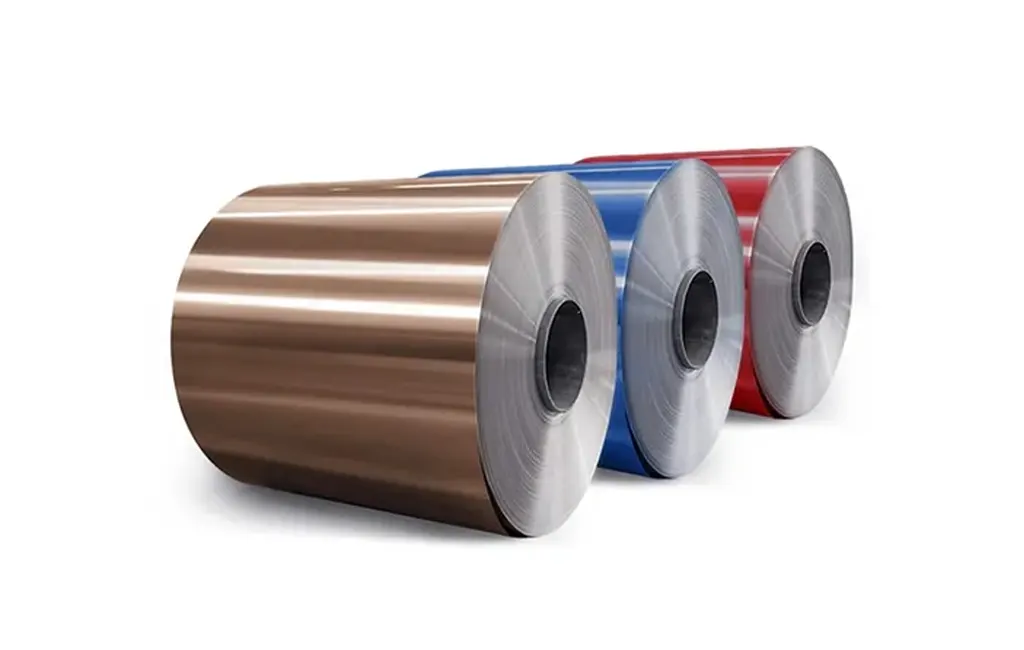
For color-coated aluminum to qualify for high-performance architectural, industrial, and exterior envelope applications, selected color finishes must comply with strict color retention, weatherability, and thermal performance parameters set by standards like AAMA 2605 and ISO 12206. Qualification is not determined by aesthetic preference, but by pigment chemistry (specifically inorganic metal oxide pigments) and thermal reflectivity. […]
Why Coating Cracks on Tight Bends: The Mechanics of Coating Elongation vs. Substrate Ductility

Coating cracking during roll forming [3] or bending occurs when mechanical deformation exceeds the elongation limits of the organic paint system relative to the aluminum substrate. Specifically, when the local tensile strain on the outer radius of a tight bend surpasses the coating’s elongation at break (typically 15% to 30% for high-grade PVDF [1] versus […]
Why 3003-H14 Is Called the “All-Purpose” Coil Stock: What Its Temper Actually Means
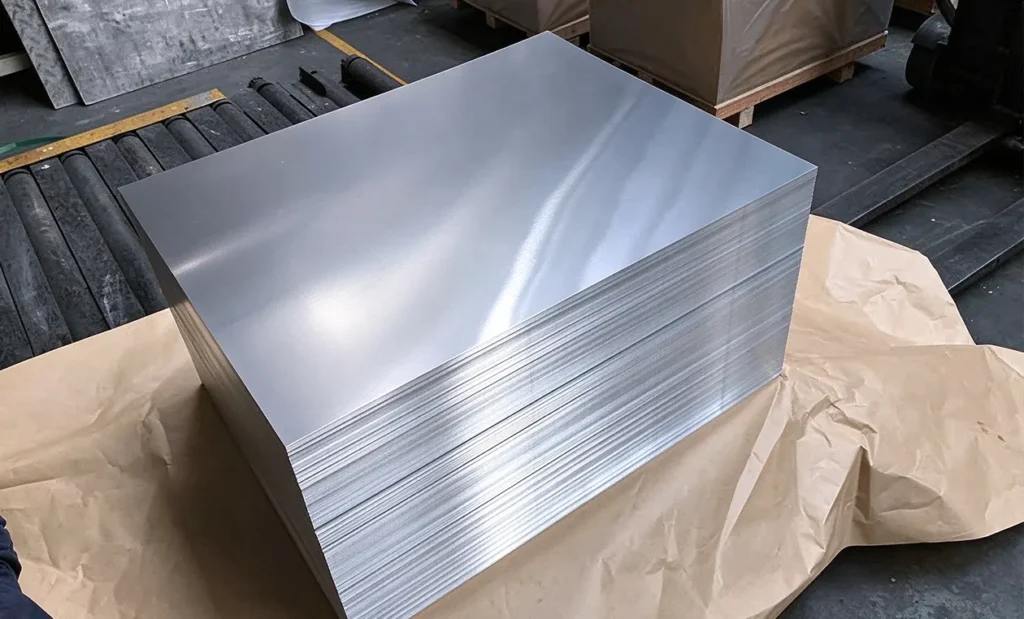
Direct Technical Answer: The Metallurgical Reality of 3003-H14 Color Aluminum Aluminum alloy 3003-H14 is designated as the “all-purpose” coil stock for color-coated applications because it achieves an optimal metallurgical balance between mechanical formability, tensile strength, and cost-efficiency. Chemically alloyed with 1.0%–1.5% Manganese (Mn), 3003 delivers roughly 20% higher tensile strength than commercially pure 1000-series aluminum […]
Why 5000-Series Outperforms 3000-Series for Deep-Drawn and Curved Panels
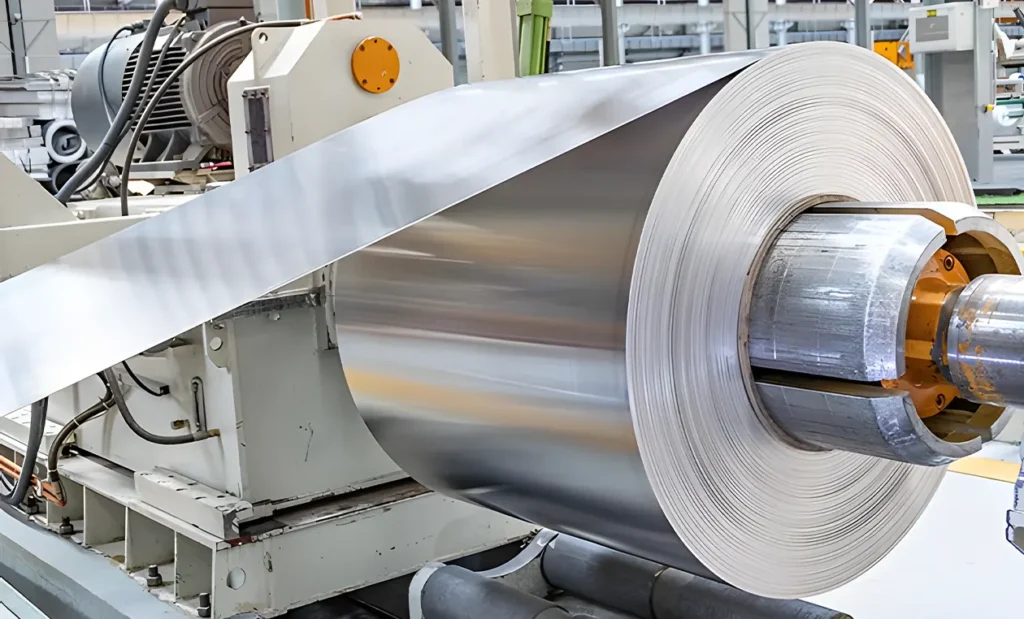
Technical Analysis: 5000-Series vs. 3000-Series Color-Coated Aluminum in Deep-Drawn and Curved Architectural Panels 5000-series aluminum alloys (Al-Mg system, e.g., [1] 5052, [2] 5083) outperform 3000-series alloys (Al-Mn system, e.g., 3003, 3105) in deep-drawn and complex curved panel applications due to superior mechanical ductility, higher strain-hardening exponents (n-value), and advanced limiting drawing ratios (LDR ≥ 2.1 […]
Why are 3004, 3005 and 3105 the most popular 3xxx alloys for pre-painted aluminum coil?
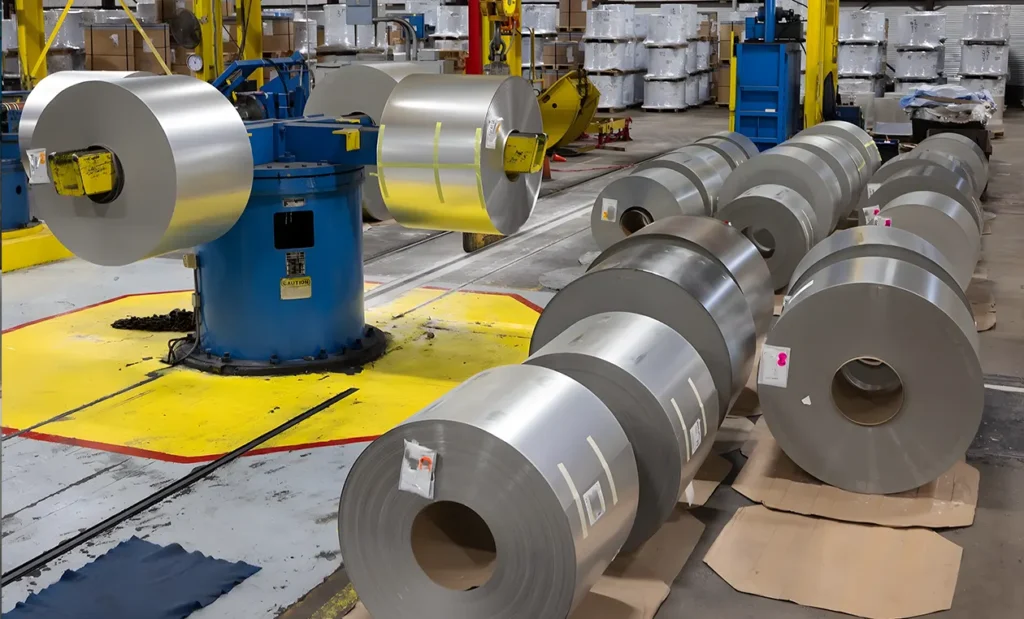
Technical Justification: Why 3004, 3005, and 3105 Dominate 3xxx Pre-Painted Coil Manufacturing Alloys 3004, 3005, and 3105 dominate the pre-painted aluminum coil market due to their optimal balance of mechanical strength, deep-draw ductility, and microstructural compatibility with continuous coil-coating lines. These non-heat-treatable Al-Mn (3000-series) substrates leverage specific Manganese (0.3–1.5%0.3–1.5\%) and Magnesium (0.2–1.3%0.2–1.3\%) additions to achieve […]
Sound Barrier & Acoustic Fence Panels: Why Color-Coated Aluminum Is the Preferred Substrate
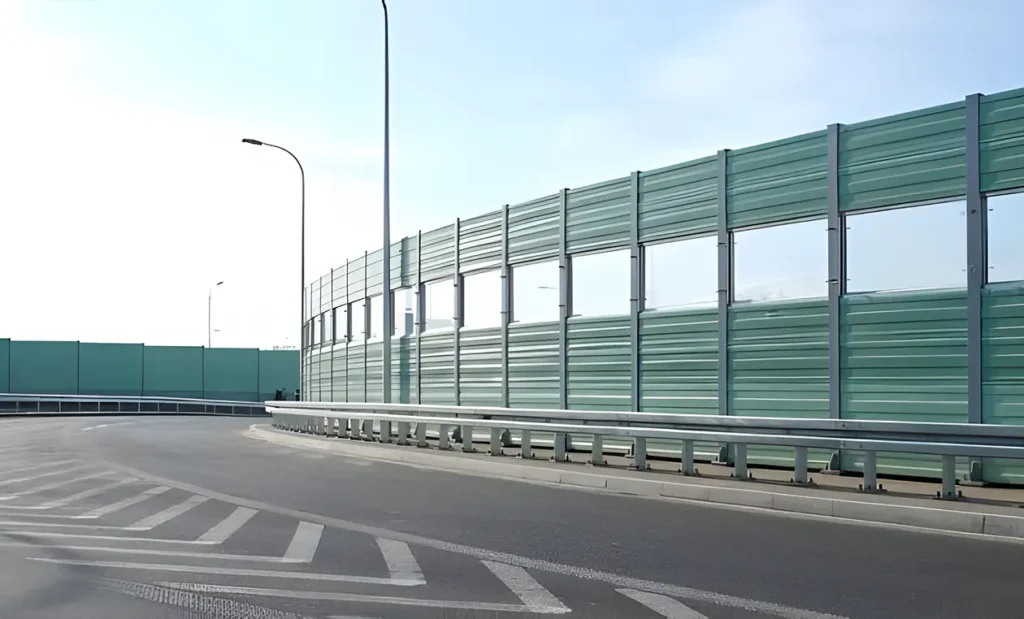
Color-coated aluminum is the preferred substrate for acoustic fence panels due to its high strength-to-weight ratio, superior atmospheric corrosion resistance, and low structural vibration response. Applied primarily as 3003-H14/H24 or 5052-H32 aluminum alloy coils [1]with a 25–35 μm PVDF (Polyvinylidene Fluoride) [2]or FEVE (Fluoroethylene Vinyl Ether) coating system, pre-painted aluminum withstands severe outdoor exposure, dynamic […]