
Core Technical Requirements for Color-Coated Aluminum in Mobile Building Facades
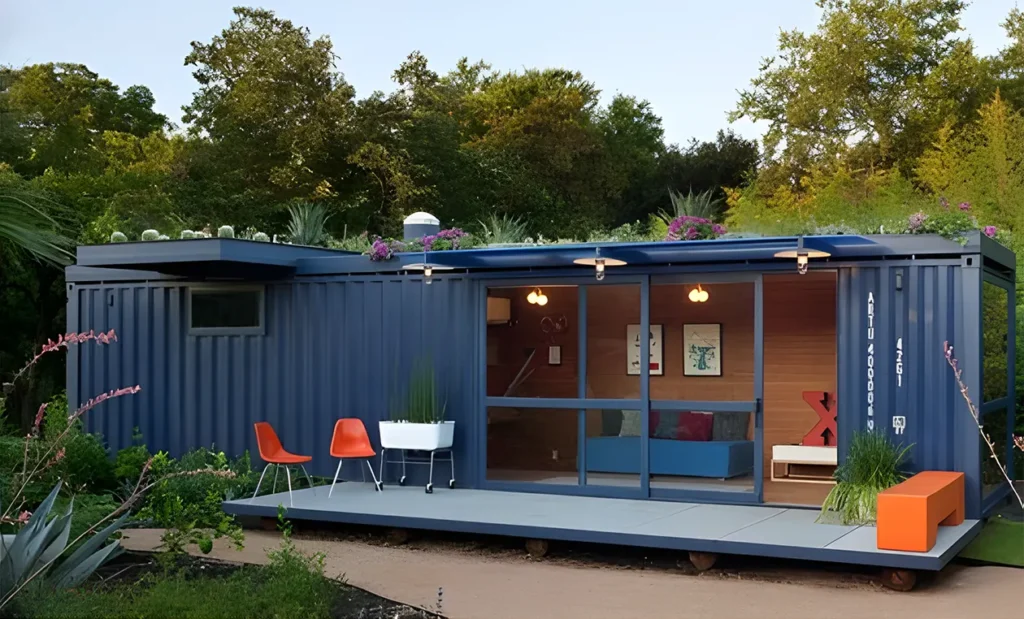
Color-coated aluminum serves as a lightweight, high-durability exterior cladding for modular and container houses, providing structural weight reduction, corrosion resistance, and thermal efficiency. Designed for mobile building envelopes, pre-painted aluminum panels utilize 3000-series (Al-Mn) or 5000-series (Al-Mg) alloys [1] with PVDF (Polyvinylidene Fluoride) [2] or FEVE (Fluoroethylene Vinyl Ether) coating systems applied via continuous coil […]
Color-Coated Aluminum vs Clay Tile Roofing: Weight, Cost, and Installation Trade-offs
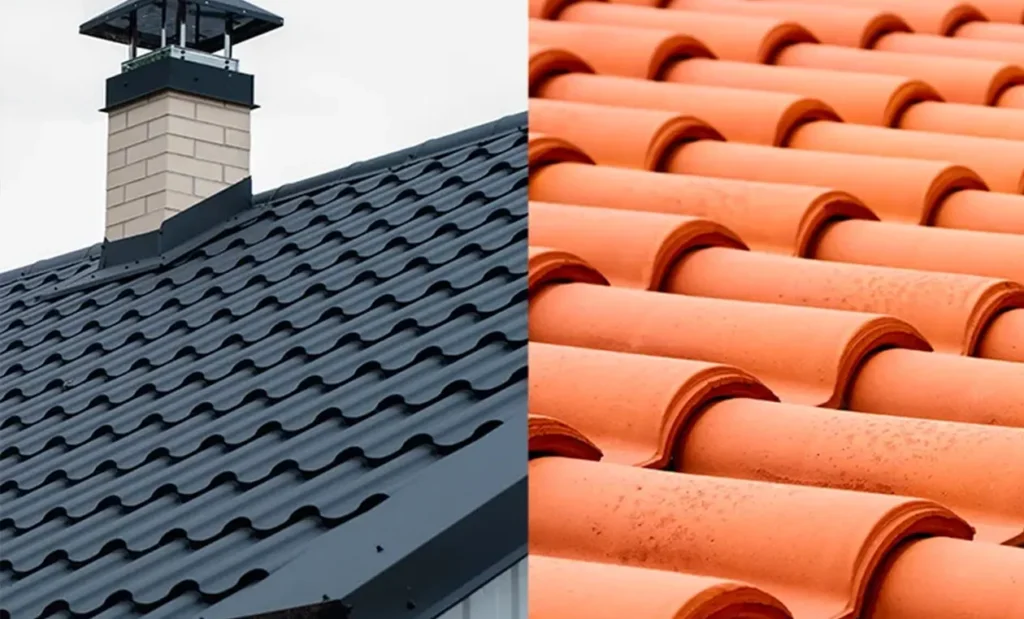
Direct Technical Answer: Color-Coated Aluminum vs. Clay Tile Roofing In building envelope engineering, selecting between color-coated aluminum and traditional clay tile roofing dictates dead load distribution, structural sizing, and life-cycle expenditure. Color-coated aluminum roofing (typically utilizing AA 3004-H14 or AA 5052-H32 alloys [1]with a 25–35 μm 70% PVDF coating compliant with AAMA 2605 [2]) delivers […]
ACP vs Solid Aluminum Sheet for Curtain Walls: Strength, Cost, and Fire Performance
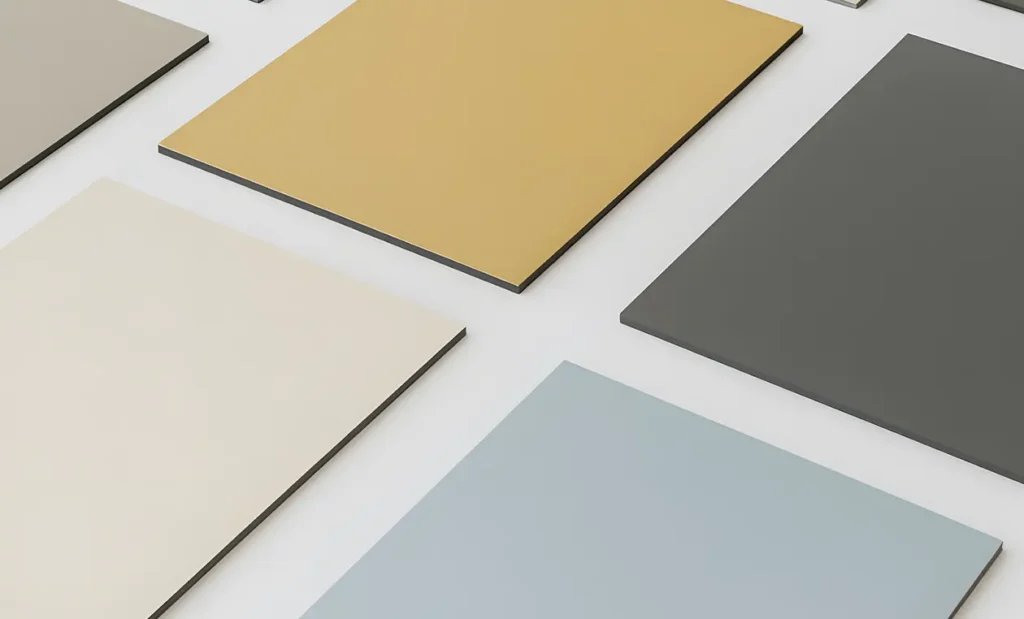
Direct Technical Answer: ACP vs. Solid Aluminum Sheet for Curtain Walls Aluminum Composite Panels (ACP) and Solid Aluminum Sheets are the primary architectural metals specified for modern unitized and stick curtain wall facades. ACP features a multi-layer composite structure consisting of two thin aluminum skin sheets (typically 0.5 mm AA 3003-H14 or AA 5052-H32) bonded […]
Standing Seam vs Corrugated Profile: Which Roof Form Suits Color-Coated Aluminum?
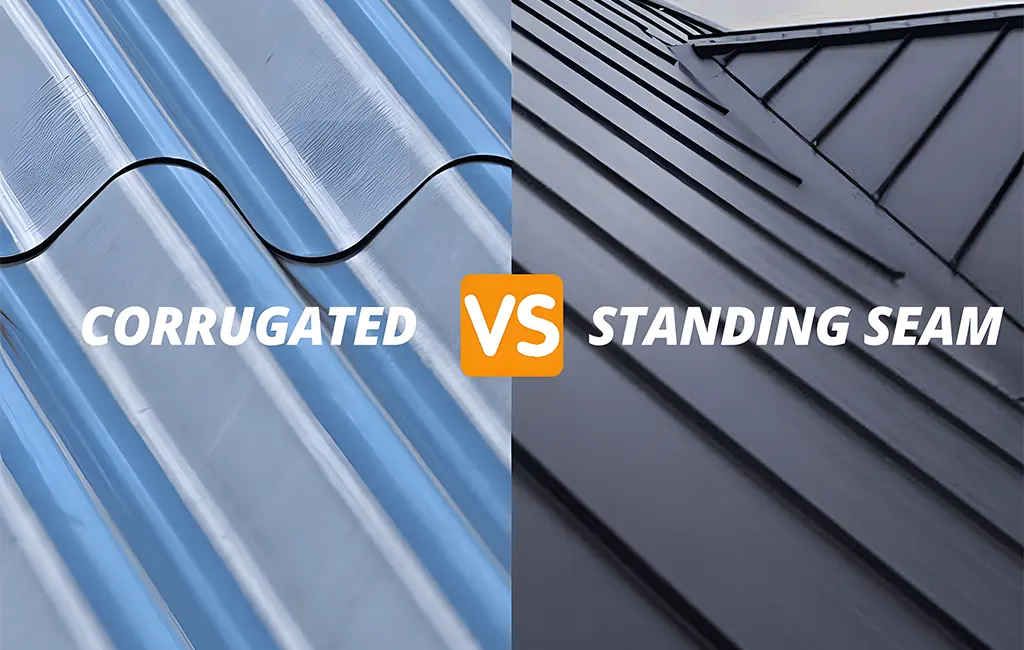
Direct Technical Answer: Standing Seam vs. Corrugated Profiles Choosing between standing seam and corrugated profile systems for color-coated aluminum roofing depends primarily on roof pitch, structural thermal expansion, and mechanical fastener exposure. Standing seam systems feature concealed mechanical fasteners and raised vertical seams (typically 25–65 mm seam height), making them the industry standard for low-slope […]
RAL Color Selection for Architectural Color-Coated Aluminum Facades
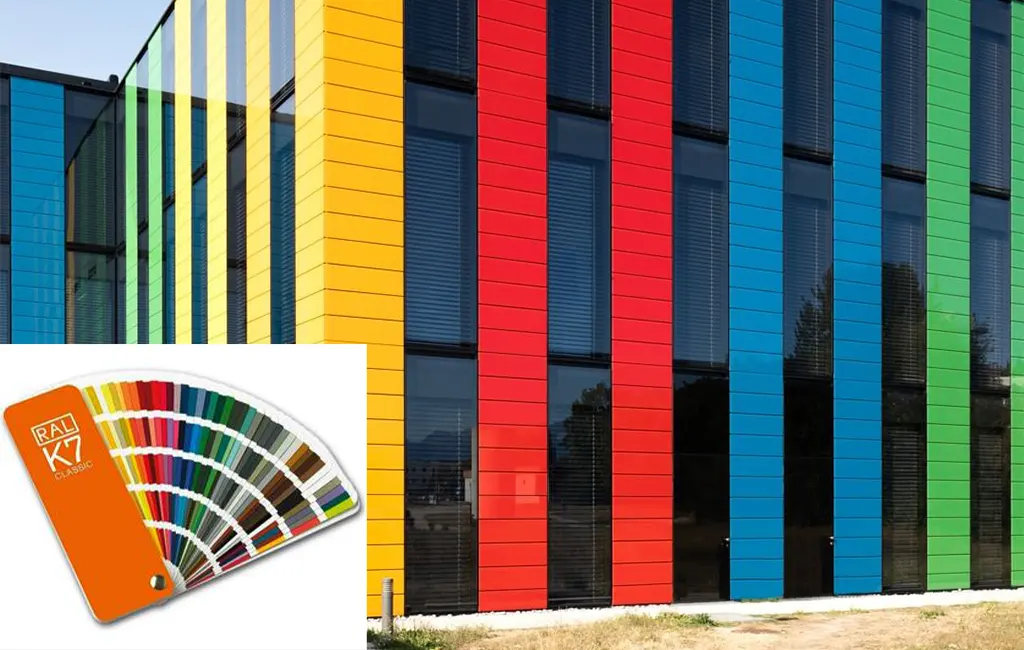
Architectural color-coated aluminum facades rely on the RAL color system[1]—specifically RAL CLASSIC (4-digit) and RAL DESIGN (7-digit)—to establish precise visual standardization across global supply chains. Selecting the optimal RAL shade requires matching pigment lightfastness and solar reflectance index (SRI) with high-performance resin systems, primarily Polyvinylidene Fluoride (PVDF)[2]and Super Durable Polyester (SOP). Superior facade specification balances […]
Wood-Grain Transfer-Printed Aluminum: When to Choose It Over Solid PVDF Colors
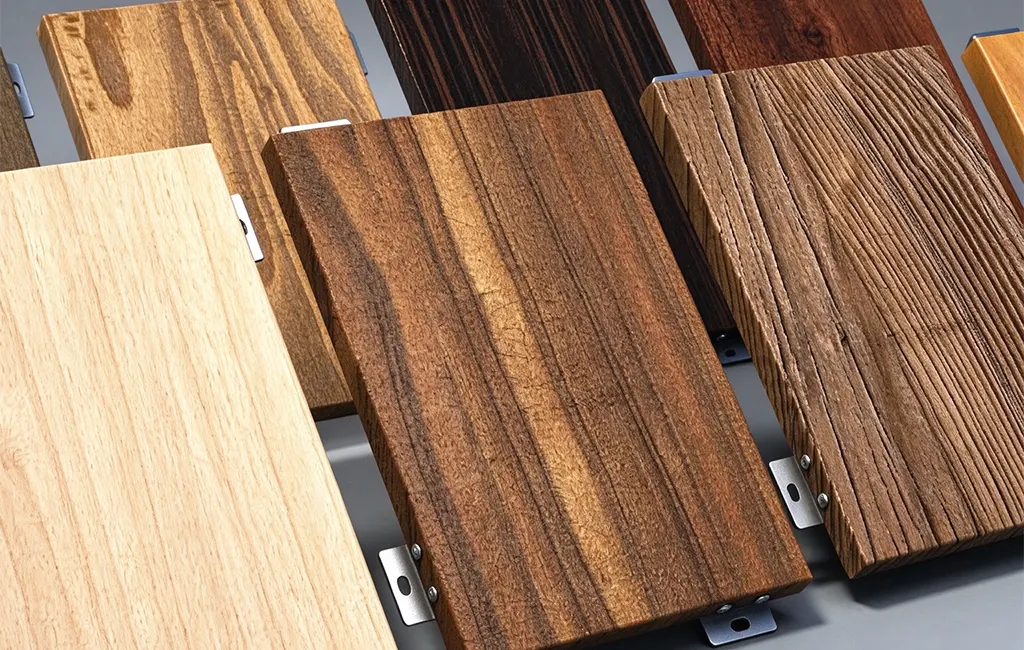
Wood-Grain Transfer-Printed Aluminum: Technical & Application Thresholds Wood-grain transfer-printed aluminum (Sublimation / Heat Transfer Film process) is selected over solid Polyvinylidene Fluoride (PVDF) color-coated aluminum when applications demand authentic biophilic aesthetics without sacrificing structural integrity, fire safety, or lightweight performance. While solid PVDF coatings rely on liquid fluoropolymer paint systems to achieve high UV resistance […]
3 Key Checks You Must Perform When Receiving Pre-Painted Aluminum Samples
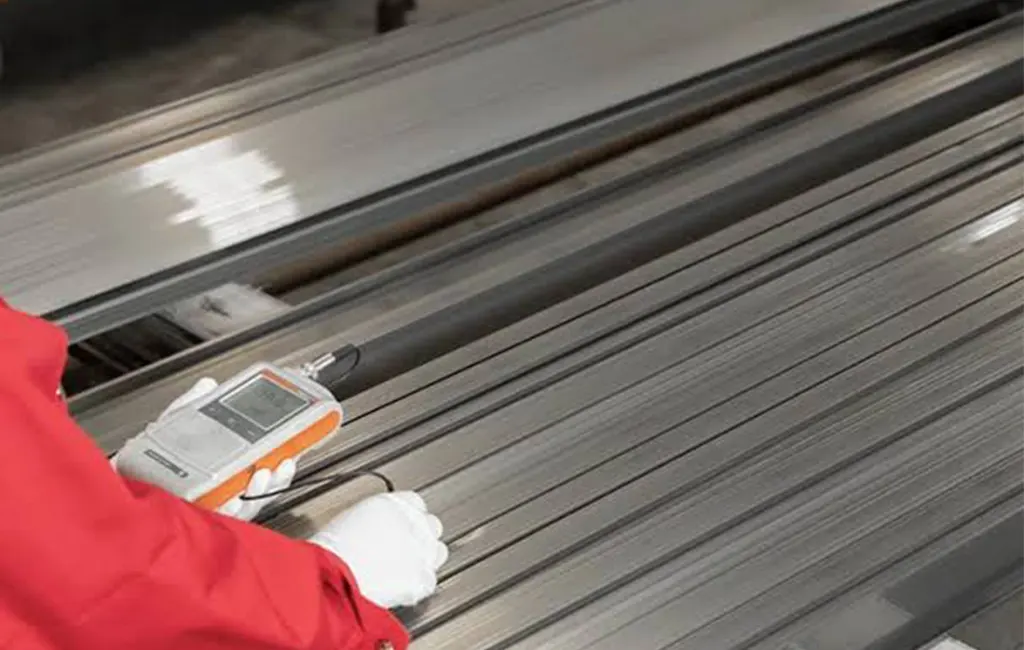
Essential Inspection Protocol for Pre-Painted Aluminum Samples Pre-painted aluminum (color-coated aluminum) samples must be evaluated under rigorous mechanical, chemical, and dimensional protocols to ensure compliance with architectural and industrial standards such as AAMA 2605, EN 13523, and ISO 12206. Receiving incoming samples requires verifying coating thickness, paint adhesion, and film flexibility to prevent premature field […]
How Surface Protection Film Thickness Impacts Final Quality of Pre-Painted Aluminum Sheets
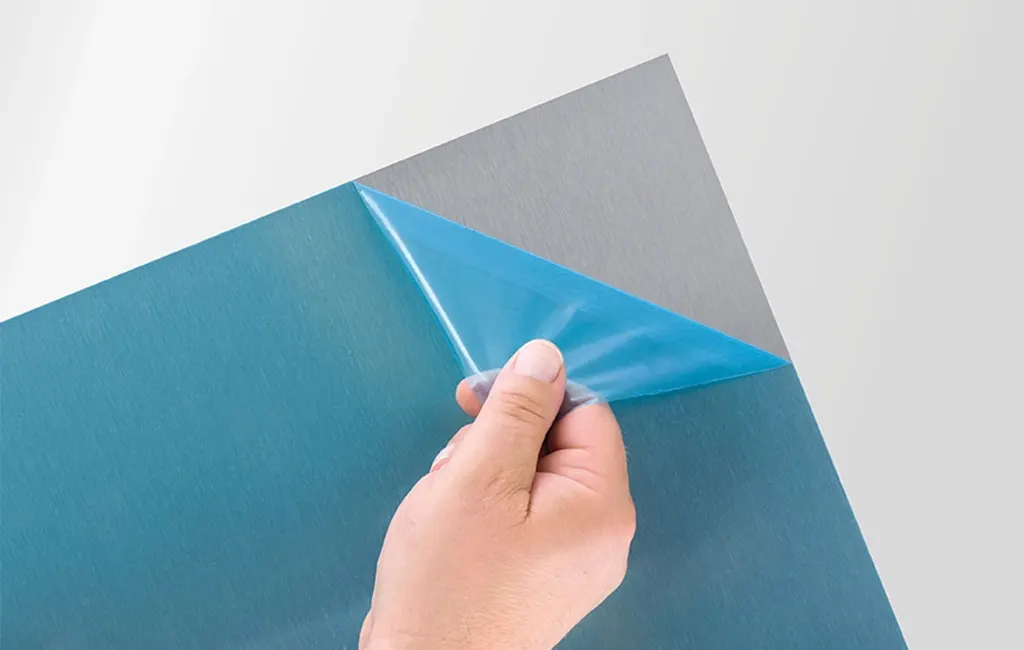
Surface protection film thickness directly governs the mechanical scratch resistance, die-wear prevention, adhesive residue risk, and surface integrity of pre-painted aluminum sheets (color-coated coils/sheets) during high-shear roll forming, stamping, deep drawing, and field installation. For standard architectural and industrial pre-painted aluminum (e.g., AA3003 or AA5052 with 25 μm PVDF or HDP coatings), the optimal protection […]
Color-Coated Aluminum Coil Specifications for Rain Gutters & Downspouts
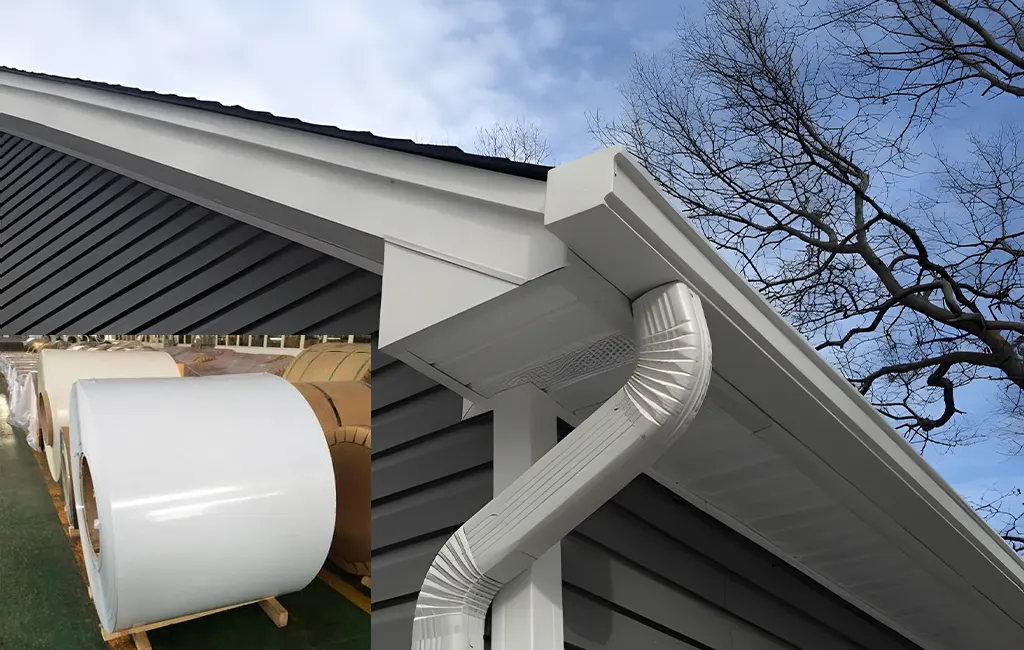
For residential and commercial rainwater management systems, color-coated aluminum coil must meet stringent mechanical and chemical requirements to withstand continuous water exposure, UV degradation, and mechanical deformation during roll forming. The optimal material specification utilizes AA3003-H24 or AA3105-H24 manganese-aluminum alloys with a nominal thickness ranging from 0.6 mm to 0.9 mm. Coating specifications require a […]
Pre-Painted Aluminum Strip for Louver & Sun Shade: Wind Resistance and Coating Durability Needs
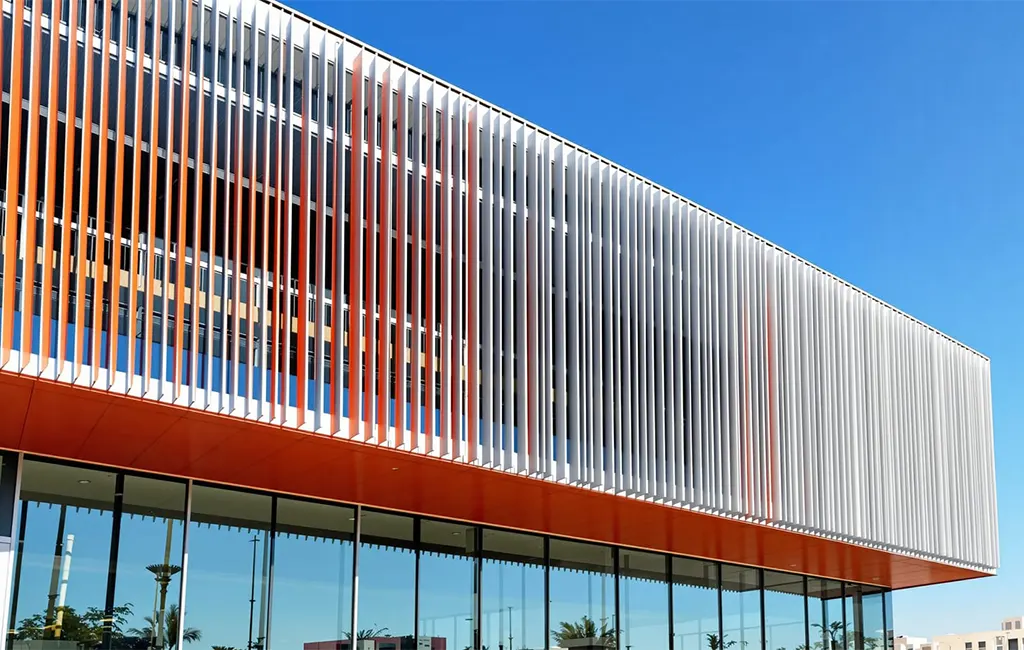
Technical Requirements for Pre-Painted Aluminum Strip in Louvers and Sun Shades Pre-painted aluminum strips utilized in exterior architectural louvers and sun shades require a precise balance of mechanical yield strength, fatigue resistance, and high-durability surface coatings to withstand dynamic wind loads, UV degradation, and atmospheric corrosion. For exterior installations, optimal performance is achieved using AA3004-H16/H26, […]
What Is the Maximum Service Temperature of PE, SMP and PVDF Color-Coated Aluminum?
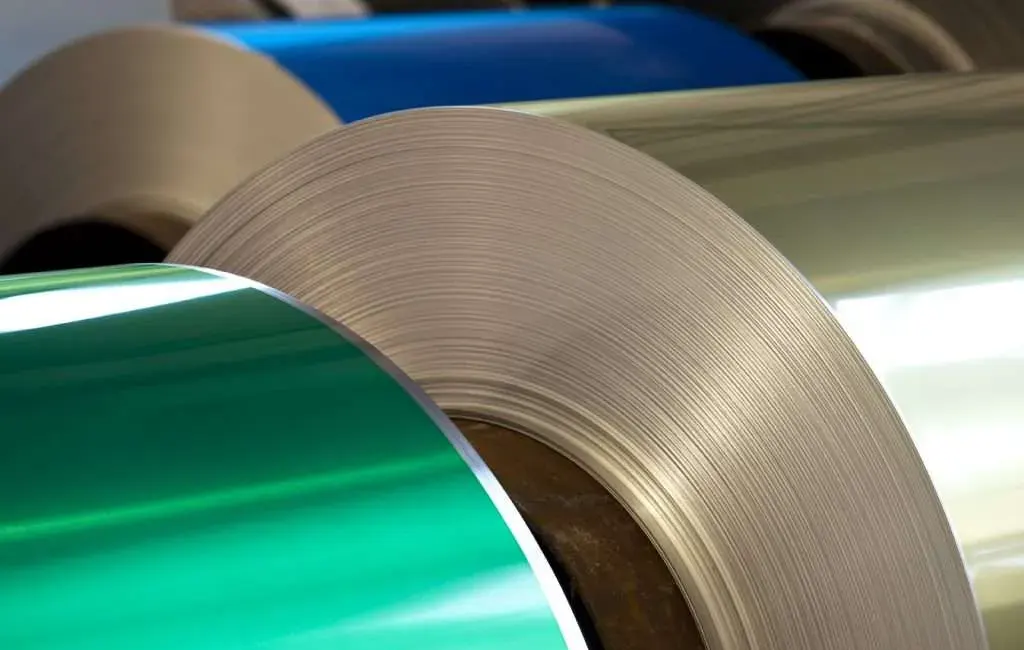
Maximum Service Temperature Limits for PE, SMP, and PVDF Color-Coated Aluminum Standard service temperature thresholds for architectural and industrial coil-coated aluminum are dictated by resin glass-transition (TgT_g) and thermal-oxidative degradation limits. Polyester (PE) [2] operates safely up to 80°C, Silicon-Modified Polyester (SMP) extends performance up to 110°C–120°C, and Polyvinylidene Fluoride (PVDF) [1] provides continuous thermal […]
Can Anti-Graffiti Pre-Painted Aluminum Coil Be Repaired On-Site After Scratches?
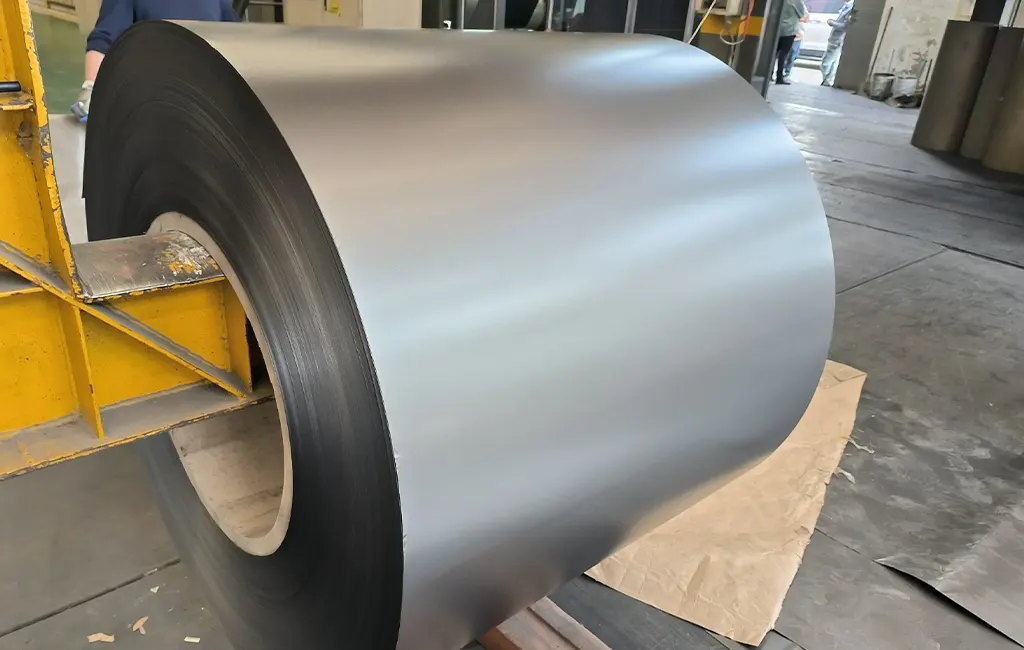
Yes, anti-graffiti pre-painted aluminum coil (featuring specialized PVDF-fluoropolymer[2]/[3]or silicone-modified clear topcoats) can be repaired on-site, provided the damage does not expose the raw aluminum substrate to severe crevice corrosion. Minor surface scuffs on the sacrificial anti-graffiti layer are restored via solvent cleaning or localized touch-up with dual-component fluoropolymer[3]repair pens. If mechanical scratching penetrates the 25–30μm […]