
The Complete Buyer’s Guide to Mill Finish Aluminum Coil, Sheet & Foil
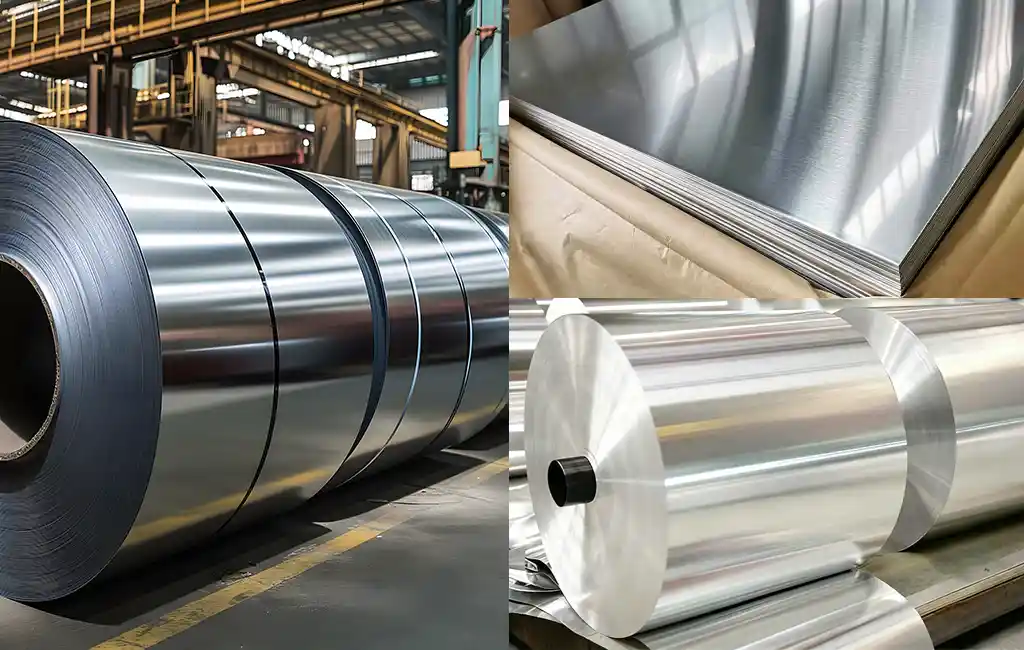
Technical Overview of Mill Finish Aluminum Coil, Sheet, and Foil Mill finish aluminum refers to aluminum alloy products in their raw, untreated state directly following the hot rolling or cold rolling process, without any secondary surface finishing, mechanical polishing, or chemical conversion coating. It features a natural, lightly oxidized surface film with standard rolling oil […]
Common Defects of Raw Aluminum Materials: Mill Finish, Embossed Coil & Strip Troubleshooting
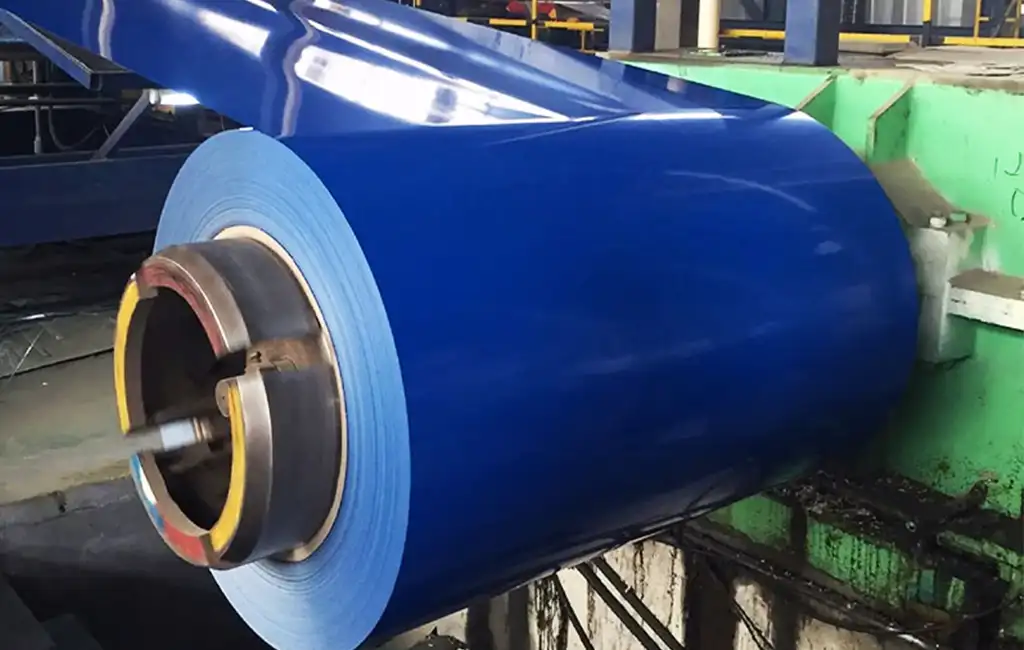
Raw aluminum materials—including mill finish, embossed coils, and strips—frequently exhibit surface, dimensional, or metallurgical defects originating during casting, hot rolling, cold rolling, or mechanical embossing. Unidentified raw material defects propagate into downstream coating processes, compromising coating adhesion, corrosion resistance, and structural integrity under AAMA 2605 or ISO 12206 standards. Key defects include surface oxidation (white […]
How to Select Between Aluminum Strip, Aluminum Sheet and Aluminum Coil for Your Fabrication?
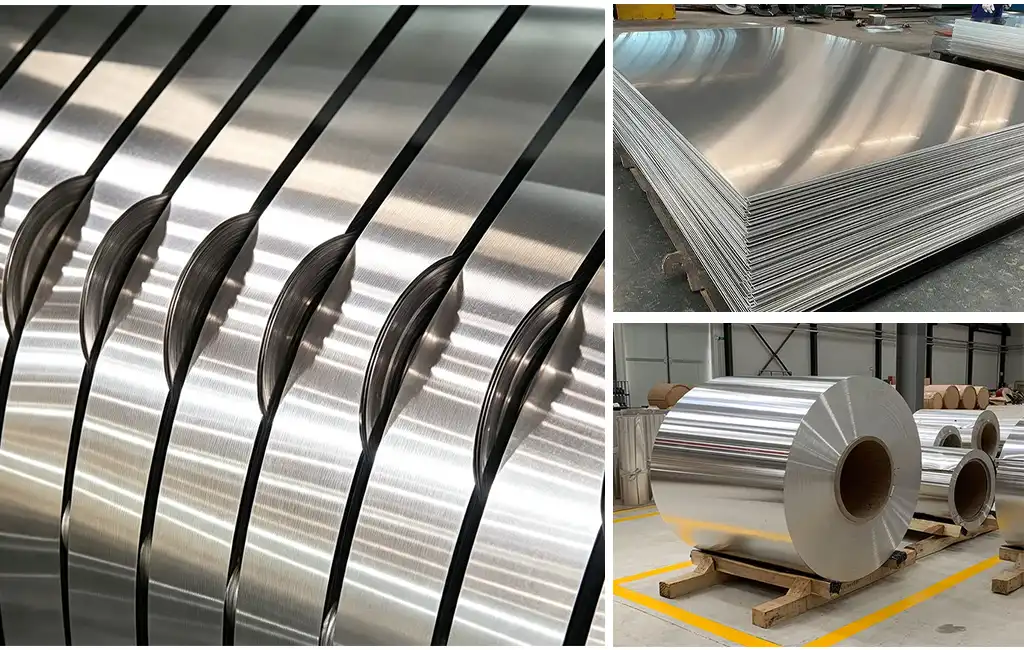
Selecting the optimal aluminum form—strip, sheet, or coil—requires matching material delivery geometry to downstream fabrication processes, production volume, and machinery feed requirements. Aluminum strip (narrow slit coil) is specified for continuous stamping, roll forming, and electrical transformer windings where width matches finished dimensions to eliminate trimming waste. Aluminum sheet (cut-to-length flat panels) is selected for […]
How to Control Edge Burrs on Custom Slit Aluminum Strip?
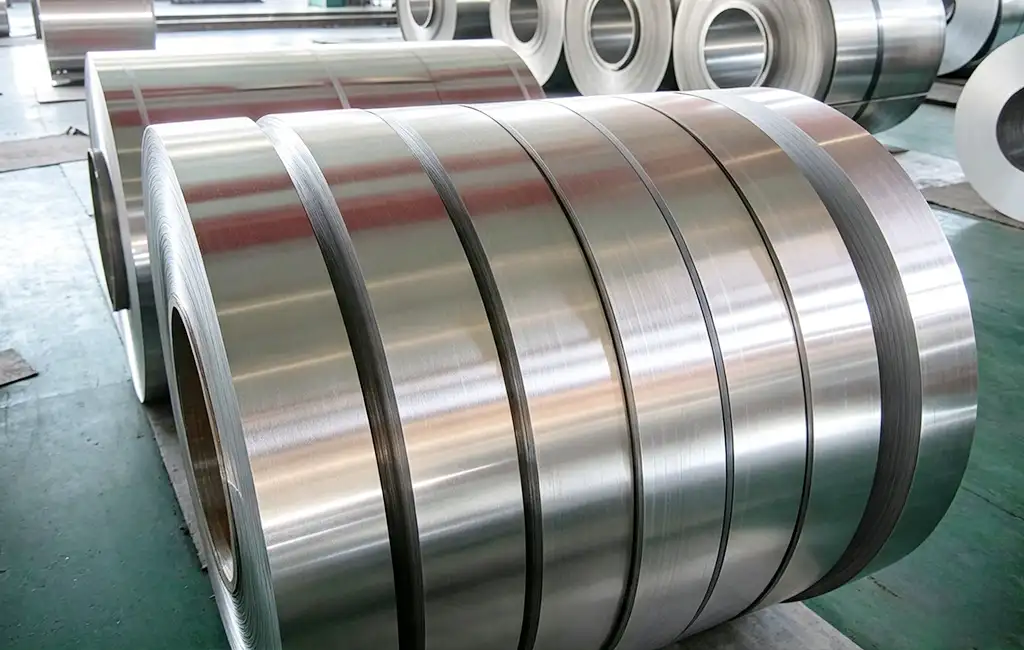
Controlling Edge Burrs in Custom Slit Aluminum Strip Edge burr formation in custom aluminum slitting occurs when shear stresses exceed the ultimate tensile strength of the material prematurely, causing excessive plastic deformation rather than a clean fracture. Controlling burr height to within industry standards—typically less than 10% of total strip thickness or under 0.02 mm […]
Will Embossed Aluminum Coil Crack Under Bending & Forming?
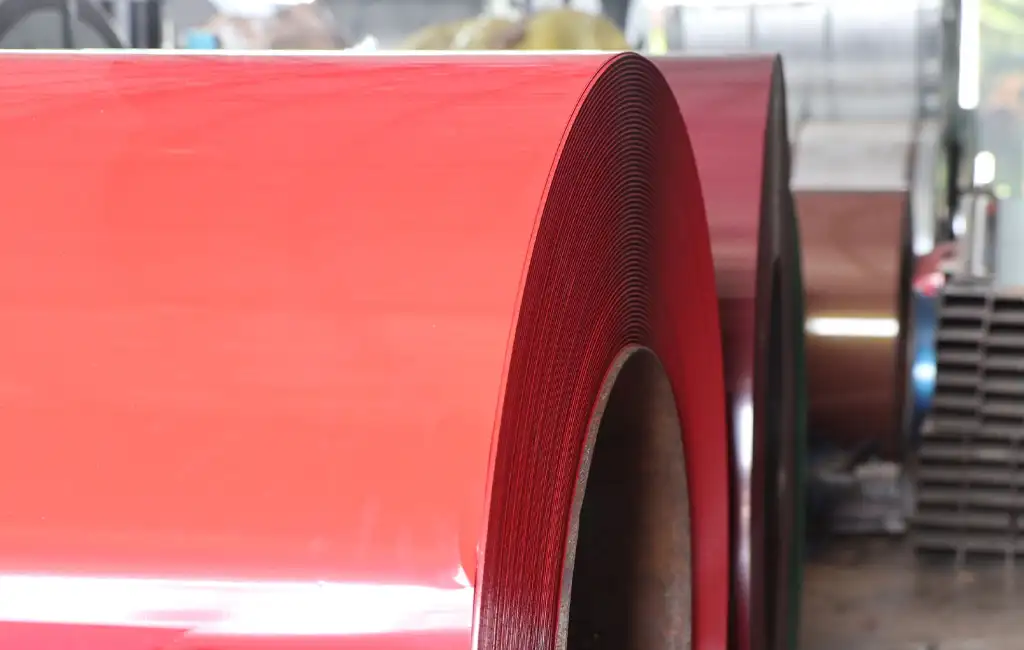
Mechanics of Cracking in Embossed Aluminum Coil During Bending Embossed aluminum coil will not crack under bending and forming if the alloy strain hardening, minimum bend radius (R/t ratio), and coating elasticity are correctly aligned with the embossing depth. Standard stucco or orange-peel embossing creates localized work hardening and micro-stress concentrations along the pattern crests. […]
Which Pattern of Embossed Aluminum Sheet Fits Roof & Insulation Jacketing?
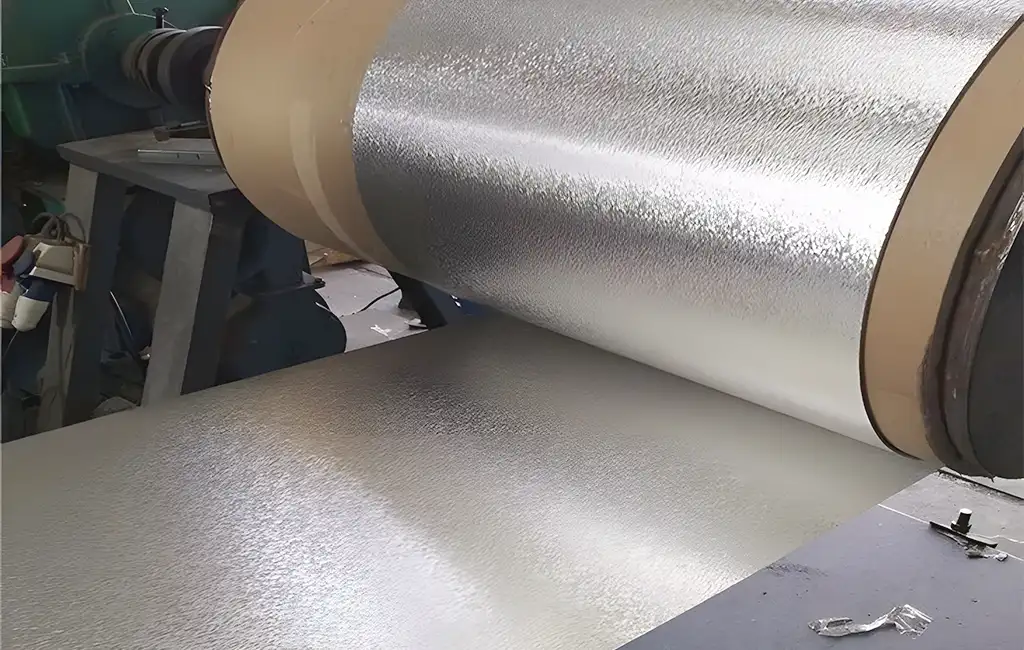
Optimal Embossed Aluminum Sheet Patterns for Roofing and Insulation Jacketing For thermal insulation jacketing, the Stucco embossed pattern (often referred to as classic orange peel) is the definitive industry standard. Its multi-directional micro-textured surface increases work-hardening structural rigidity by 15% to 20% compared to mill-finish flat sheet, conceals mechanical scuffs and oil-canning, and optimizes heat […]
How Embossed Aluminum Coils Mitigate Surface Scratching During Installation?
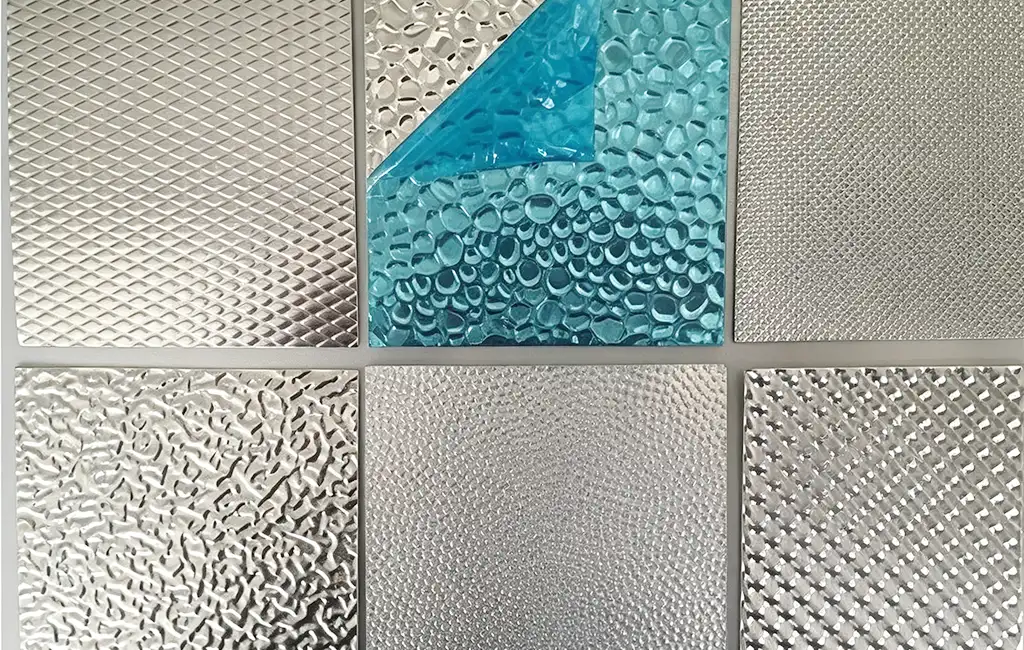
Embossed aluminum coils significantly reduce the visibility and occurrence of surface scratches during installation, but they do not make the metal entirely immune to heavy mechanical gouging. Mechanical texturing—such as Stucco, Orange Peel, or Diamond patterns—works by reducing the effective contact surface area by 50% to 70% during friction events. This architectural profile diffuses shear […]
Is Embossed Aluminum Sheet Better Than Flat Aluminum for Anti-Slip Applications?
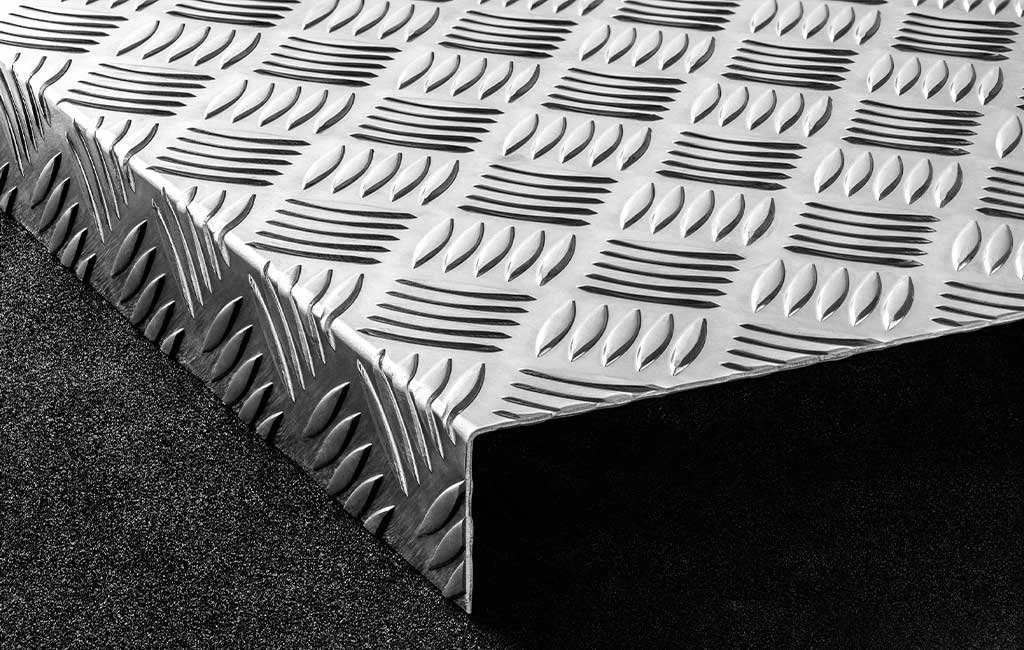
Yes, embossed aluminum sheet is significantly superior to flat aluminum for anti-slip applications due to its engineered surface texture, which increases mechanical friction and breaks hydroplaning film. While smooth, flat aluminum sheets exhibit a low Dynamic Coefficient of Friction (DCOF < 0.40) in wet environments, embossed profiles—such as 5-bar tread plate, diamond checker plate, and […]
What Alloy Grade Is Best for Mill Finish Aluminum Insulation Coil?
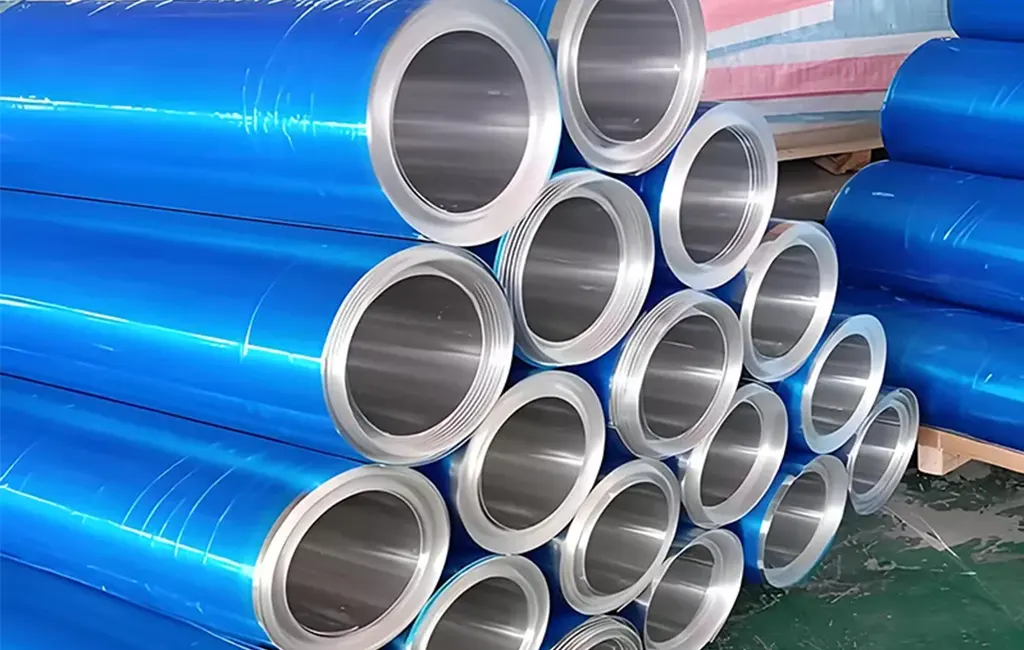
Optimum Alloy Selection for Mill Finish Aluminum Insulation Coil For mill finish aluminum insulation jackets and cladding, Aluminum Alloy 3003 (Al-Mn) is the industry standard and optimal choice, offering a balanced combination of mechanical strength, formability, and chemical corrosion resistance. While Alloy 1060 (99.6% Pure Al) is frequently specified for low-stress indoor piping systems due […]
Mill Finish vs Coated Aluminum Coil: Which Saves Your Project Cost?
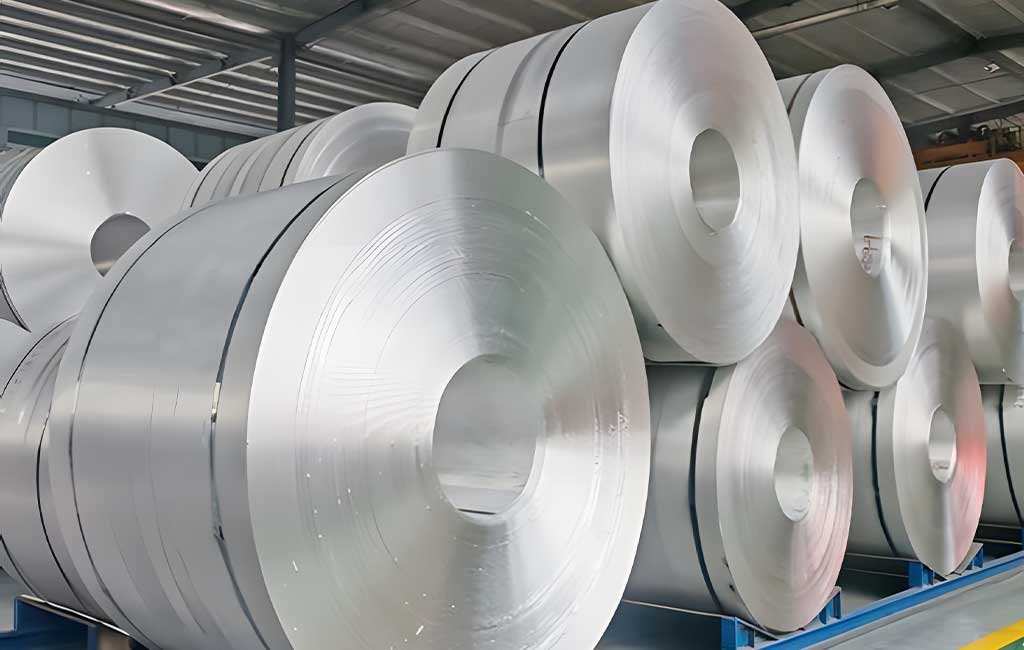
Direct Technical Answer: Mill Finish vs Coated Aluminum Coil Cost Analysis Selecting between Mill Finish Aluminum Coil and Pre-Coated Aluminum Coil (e.g., PVDF, PE, or Powder Coated) dictates both initial material expenditure and total life-cycle cost. While mill finish aluminum presents a 15% to 30% lower initial material purchase cost by omitting surface treatment at […]
Why Does Mill Finish Aluminum Foil Encounter Oxidation During Shipping?
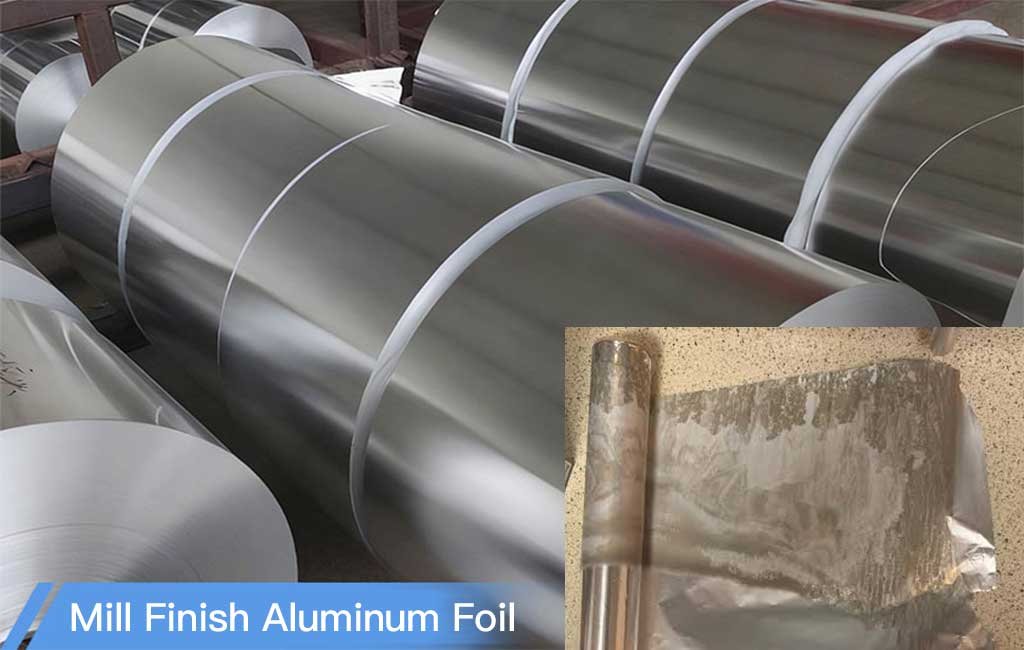
Root Causes of Mill Finish Aluminum Foil Oxidation During Shipping Mill finish aluminum foil encounters oxidation—commonly manifesting as white rust or water staining—during transit primarily due to crevice corrosion triggered by moisture capillary action between tightly wound foil layers. Because mill finish aluminum lacks a protective conversion coating or polymer layer, its naturally formed surface […]
What Is Mill Finish Aluminum Coil, Sheet & Foil & When Should You Choose It?
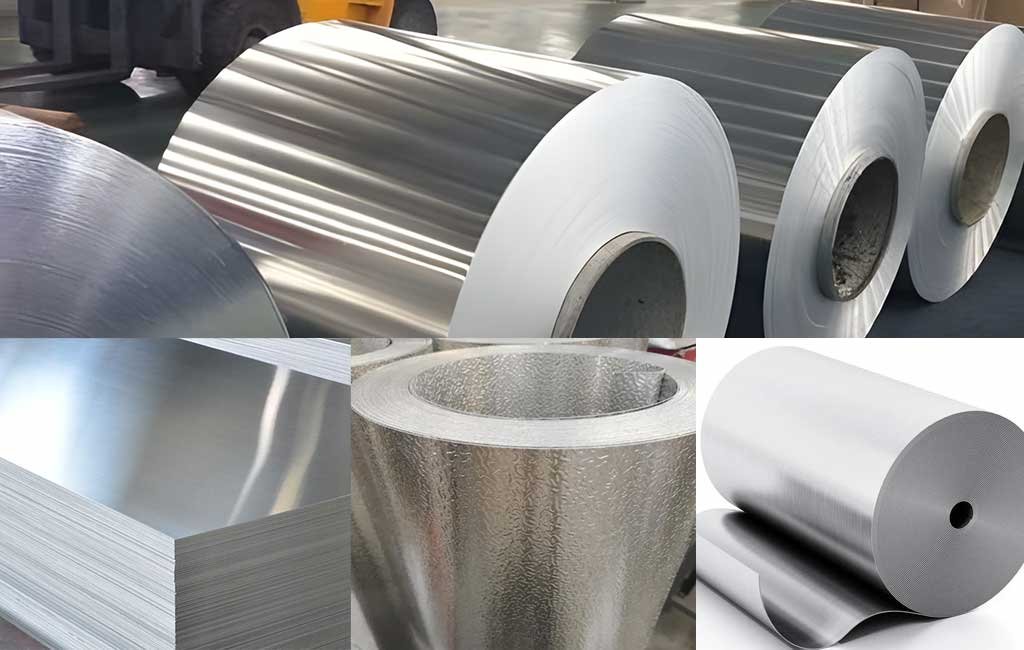
What Is Mill Finish Aluminum Coil, Sheet & Foil? Mill finish aluminum refers to raw aluminum coil, sheet, or foil as it emerges directly from the rolling mill without any secondary mechanical surface finishing, anodizing, or organic paint coating (such as PVDF, PE, or powder coating). Characterized by a light silvery-grey appearance with fine directional […]