
Filiform Corrosion on Pre‑Painted Aluminum
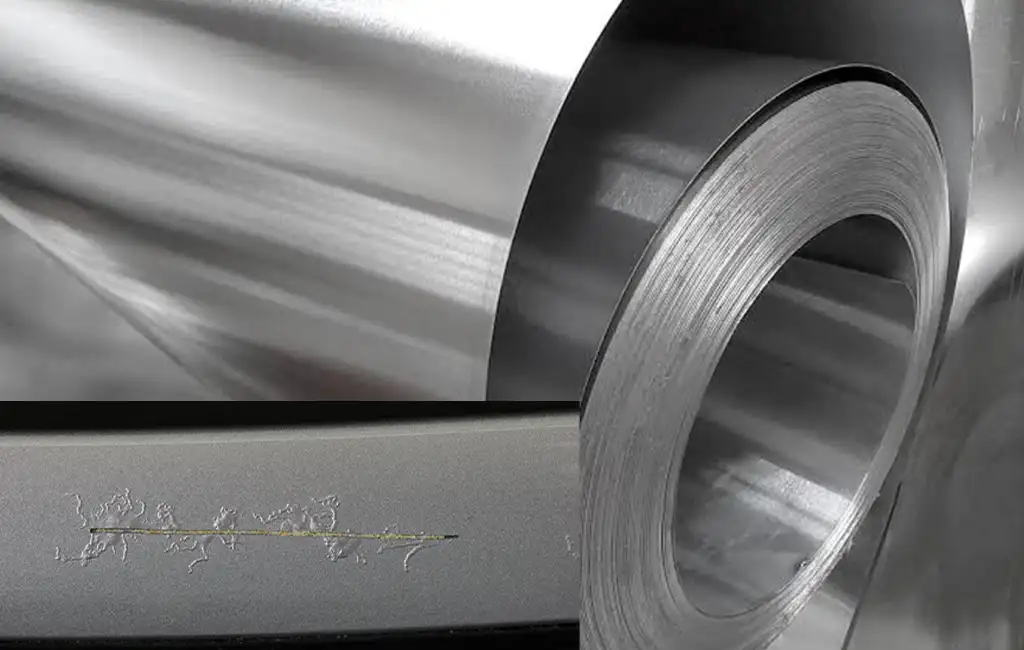
Technical Root Causes of Filiform Corrosion on Pre-Painted Aluminum Filiform corrosion on pre-painted aluminum is an oxygen-concentration-cell driven, thread-like corrosion mechanism occurring under thin organic coatings (typically 20–100 μm thick). It initiates primarily at coating defects, cut edges, or mechanical scratches where moisture and corrosive agents penetrate the paint matrix. The process is driven by […]
Pre‑Painted Aluminum for ACP Core Substrate vs Curtain Wall Cladding: Different Specification Requirements

Technical Comparison: Pre-Painted Aluminum Specifications for ACP Cores vs. Curtain Wall Cladding Pre-painted aluminum coils used for Aluminum Composite Panel (ACP) skin/core substrates and direct structural curtain wall cladding serve distinct engineering functions, requiring different alloy selections, mechanical properties, and coating parameters. Curtain wall cladding acts as a direct exterior building envelope subject to structural […]
Can Pre‑Painted Aluminum Be Used in High‑Humid Tropical & Monsoon Climate?
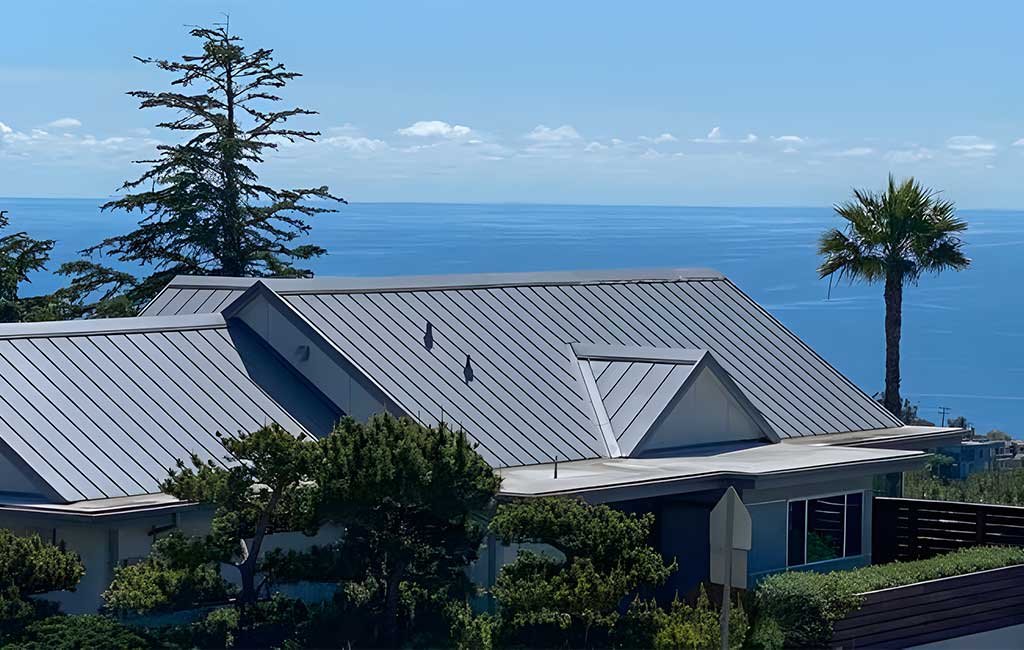
Performance of Pre-Painted Aluminum in High-Humidity Tropical and Monsoon Climates Pre-painted aluminum coil can be deployed in high-humidity tropical and monsoon climates, provided it utilizes marine-grade alloy substrates (AA3004, AA5052, or AA5083) coupled with a 70% Polyvinylidene Fluoride (PVDF) or Fluoropolymer (FEVE) coating system. High ambient humidity (>85% RH>85\%\text{ RH}), UV exposure (>6000 MJ/m2 per year>6000\text{ MJ/m}^2\text{ per year}), […]
What Is Back‑Coat for Pre‑Painted Aluminum Coil?
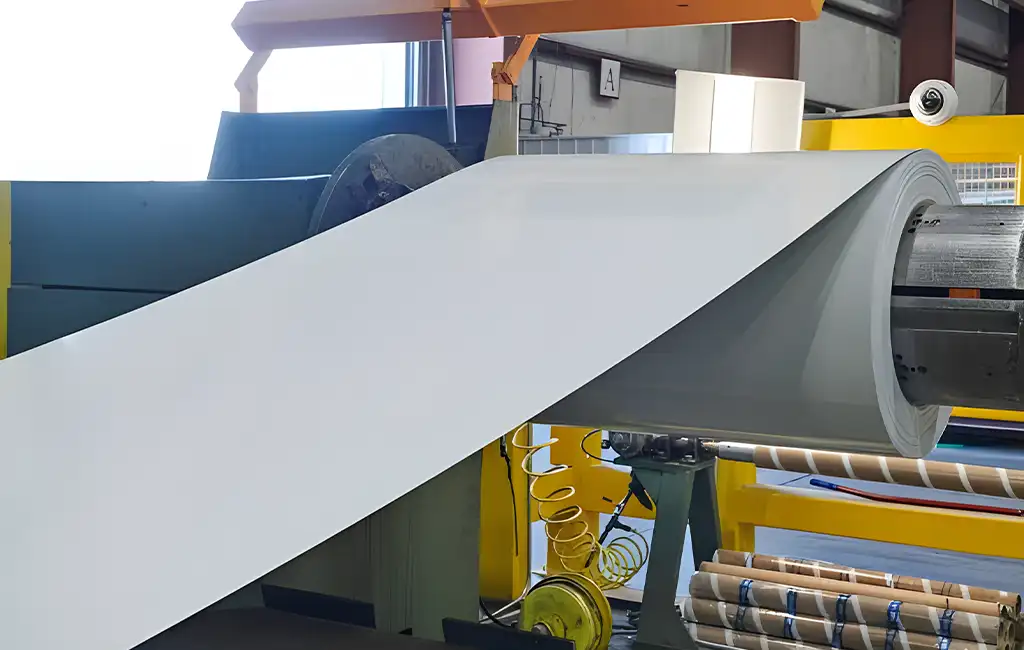
The back-coat (or rear-side coating) of a pre-painted aluminum coil is a protective, highly functional polymer layer applied to the non-decorative side of the aluminum sheet during the continuous coil coating process. Typically formulated from modified polyester, epoxy, or polyurethane resins at a dry film thickness (DFT) of 5 μm to 15 μm, the back-coat […]
Main Uses & Advantages of Precision Slit Aluminum Strip
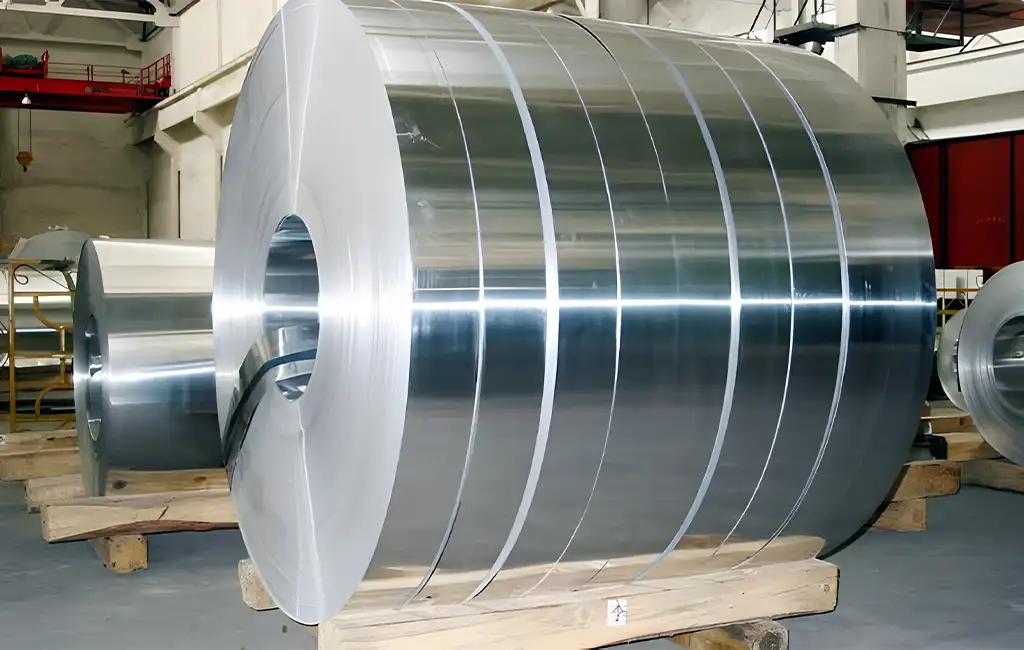
Technical Overview: Precision Slit Aluminum Strip Specifications & Performance Parameters Precision slit aluminum strips are tightly toleranced, narrow-width aluminum coils produced by slitting master coils through high-precision rotary shear blades. In color-coated aluminum applications, these strips utilize coil coating techniques—applying thermosetting or thermoplastic coatings (such as PVDF or Polyester) over chemically pre-treated substrates (like AA3003 […]
Frequently Asked Questions About Mill Finish Aluminum Coil & Sheet
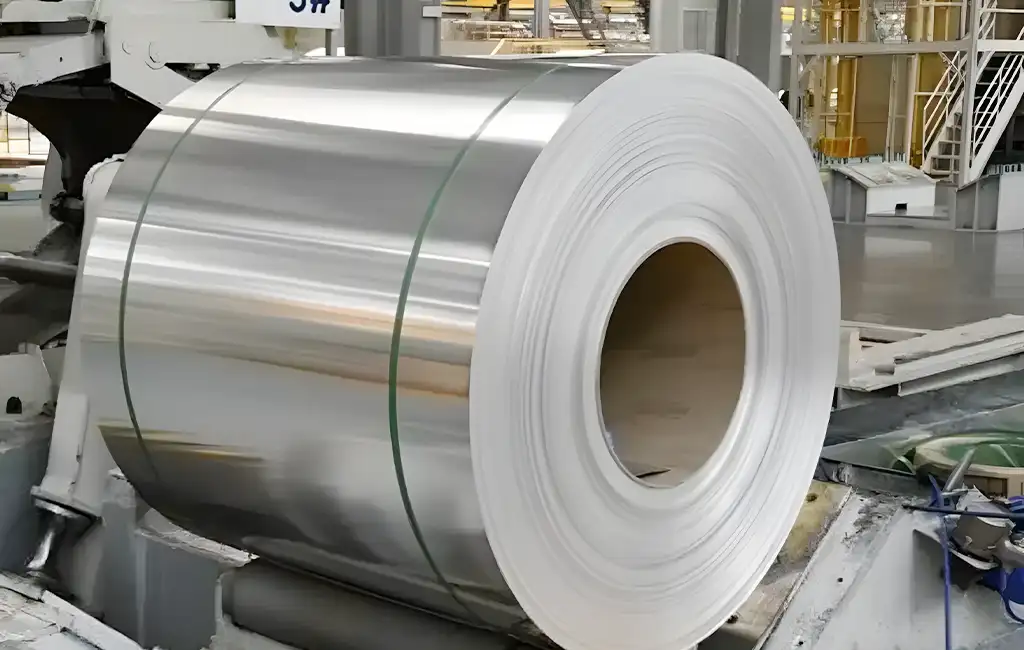
Mill finish aluminum coil and sheet refers to raw aluminum rolled products directly supplied after cold or hot rolling mills without secondary surface treatments such as coating, anodizing, or mechanical polishing. It exhibits a natural, unrefined metallic appearance with a light oxide film layer formed by atmospheric exposure. Key performance characteristics depend entirely on the […]
Mill Finish Aluminum vs Embossed Aluminum
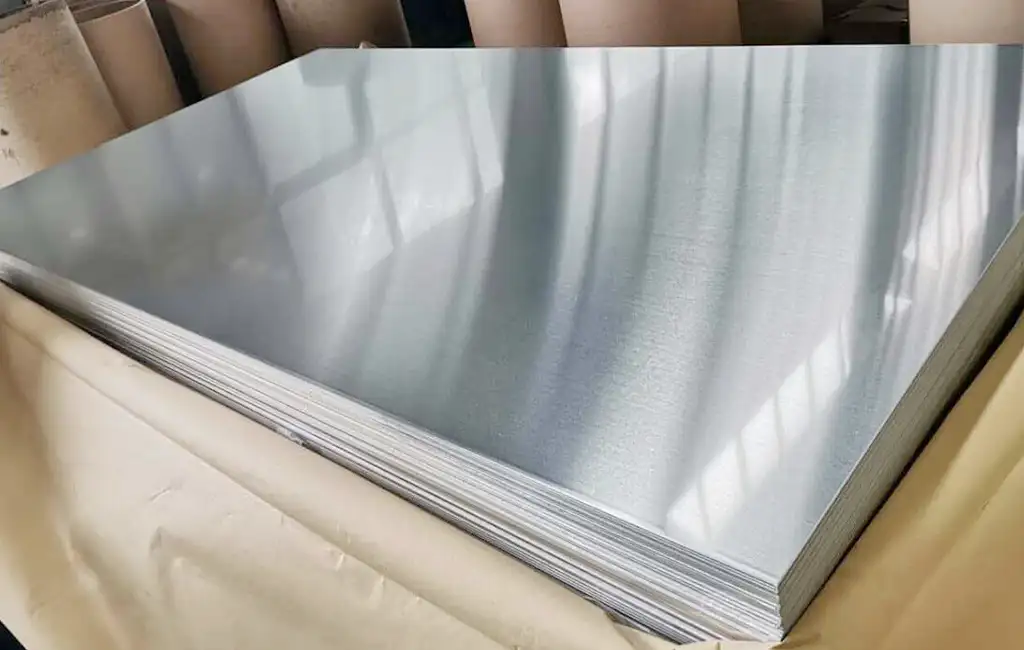
Mill finish aluminum refers to the raw, untreated aluminum sheet extruded or rolled directly from the mill, featuring a natural oxidized surface layer without mechanical or chemical modification. Embossed aluminum undergoes a mechanical cold-rolling process between engraved steel rollers, imprinting a raised relief pattern (such as stucco, diamond, or orange peel) onto the substrate. While […]
Applications of Embossed Aluminum Sheet in Construction, Insulation & HVAC Industry
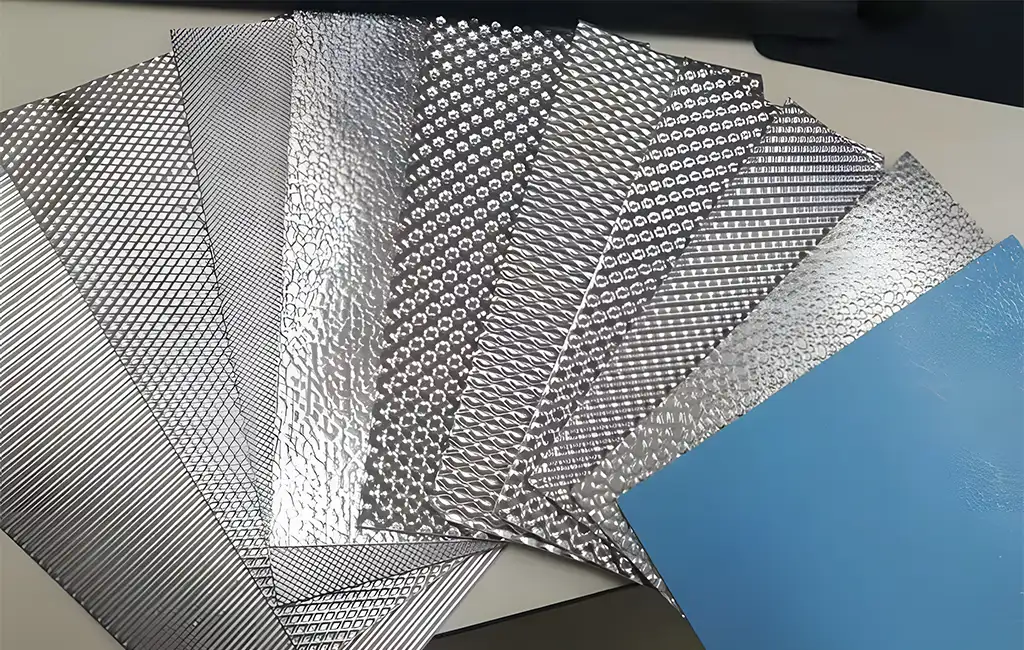
Core Technical Applications of Embossed Aluminum Sheets Embossed aluminum sheets (commonly known as stippled or orange-peel aluminum) are specialized rolled aluminum products featuring textured surfaces engineered through mechanical roller pressing. Manufactured primarily from 3000-series (Al-Mn) and 1000-series (Pure Al) alloys, these sheets combine structural rigidity, anti-reflective optical dispersion, and enhanced surface area. By increasing the […]
Mill Finish Aluminum Materials: Storage & Transportation Tips to Prevent Oxidation
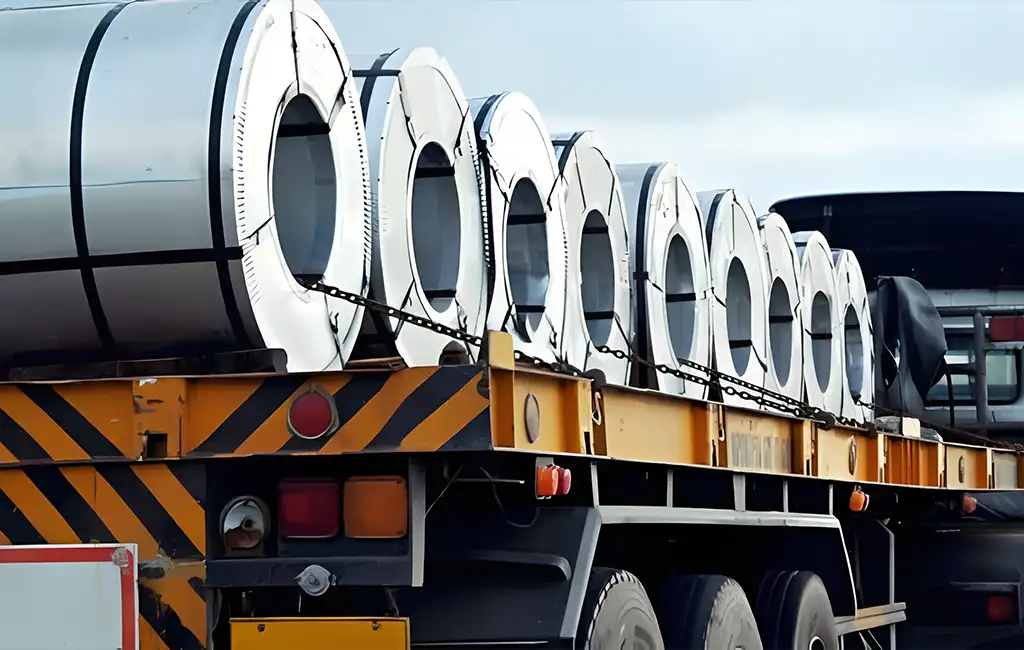
Mill finish aluminum alloys (such as 1050, 3003, and 5052) lack a protective organic coating or thick anodic oxide film, leaving their active native oxide layer vulnerable to atmospheric moisture, industrial pollutants, and chemical condensation. Exposure to liquid moisture between closely stacked sheets or coils triggers water staining (white rust) via differential aeration corrosion. To […]
Aluminum Strip Sourcing Guide: Key Technical Specifications & Standards
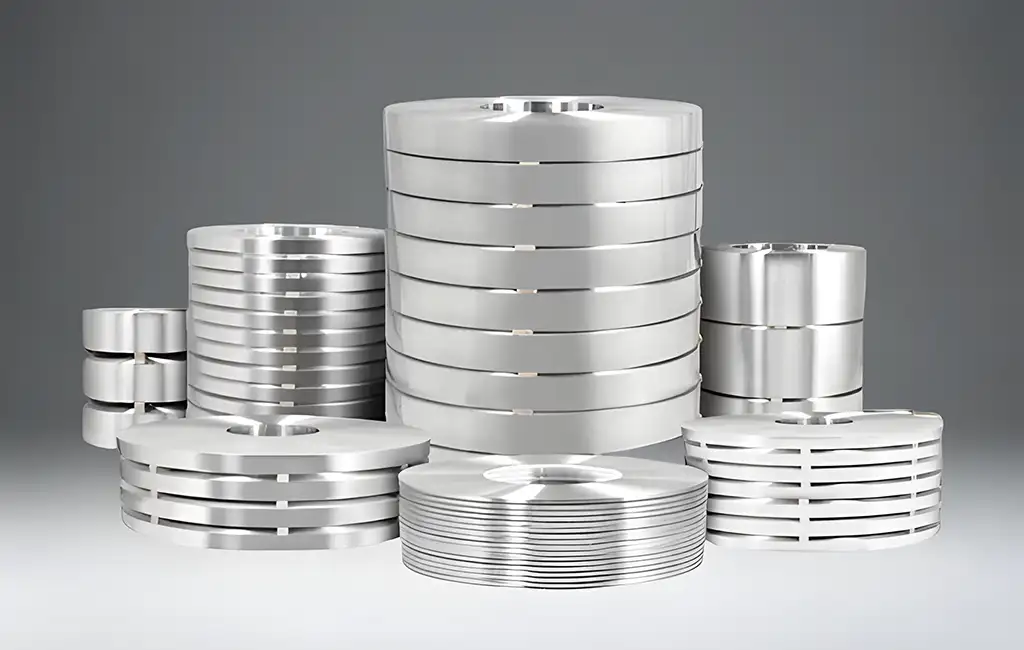
Aluminum strip sourcing requires precise evaluation of alloy chemistry, temper states, pre-treatment processes, and coating parameters. Color-coated aluminum strips (pre-painted aluminum) are selected based on baseline mechanical properties (typically 1000, 3000, or 5000 series alloys) paired with high-durability polymer coatings such as Polyvinylidene Fluoride (PVDF) or thermosetting Fluoropolymer (FEVE). Key sourcing criteria include tight thickness […]
Core Applications and Functional Benefits of Embossed Aluminum Coils
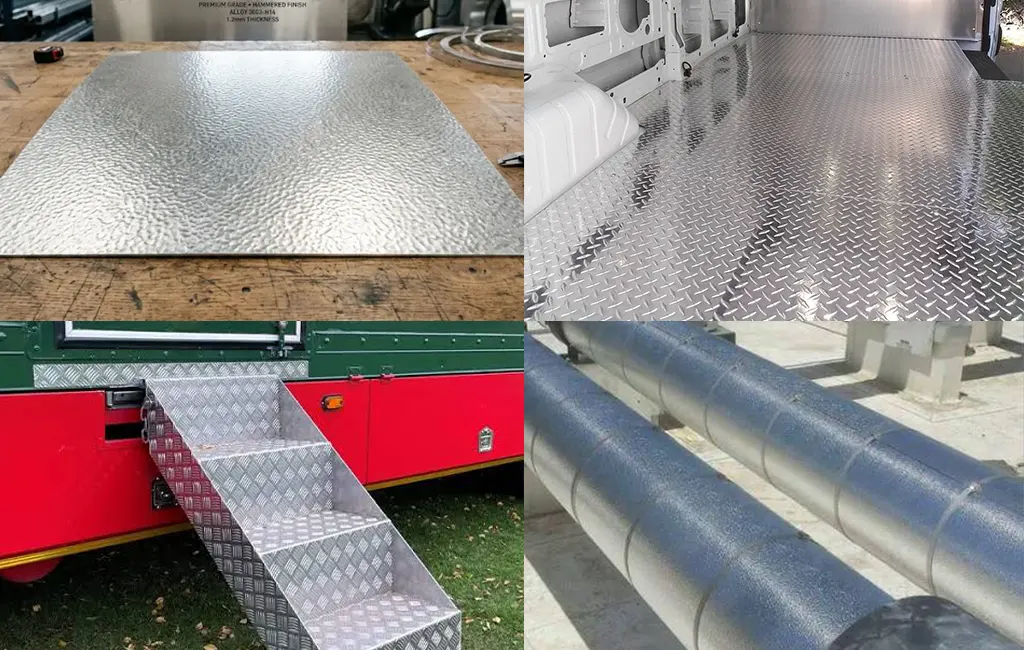
Embossed aluminum coils—primarily produced using AA3003 (Al-Mn) and AA5052 (Al-Mg) alloys—are flat-rolled aluminum products mechanically or hydraulically impressed with patterned textures like stucco, diamond, five-bar, or orange peel. The cold-rolling embossing process work-hardens the substrate, increasing mechanical rigidity and surface area while reducing glare and masking superficial scratches. Coated with PVDF or High-Durability Polyester (HDP) […]
Common Specifications and Regular Embossed Patterns of Embossed Aluminum Coils
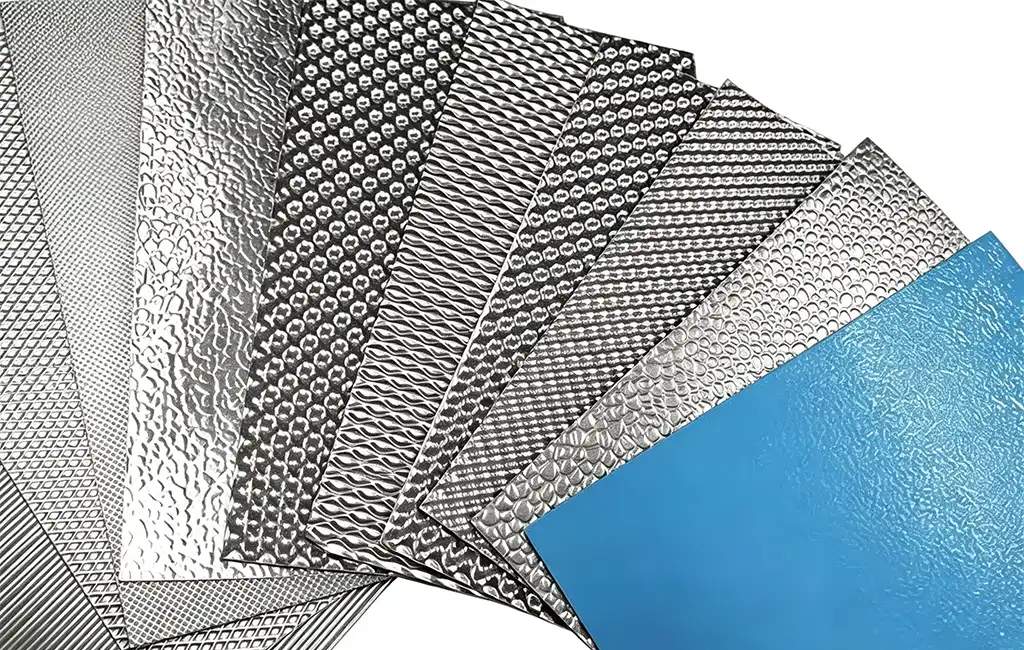
Specifications and Standards of Embossed Aluminum Coils Embossed aluminum coils are continuous flat-rolled aluminum substrates mechanically textured using high-pressure engraved steel rollers to form raised geometric patterns. Manufactured primarily from 1000 series (1050, 1060, 1100), 3003 (Al-Mn), 3105, and 5052 (Al-Mg) alloys compliant with ASTM B209, EN 485, and GB/T 3880 standards, these coils offer […]