
Why Choose PVDF Color Aluminum Coil For Long-term Roofing Projects?
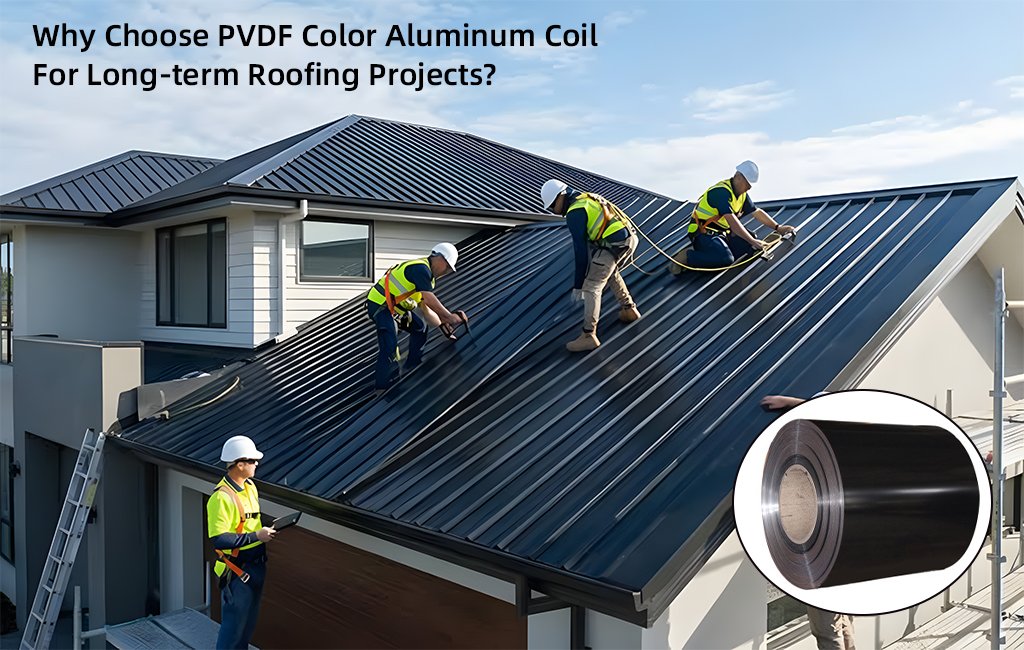
PVDF color aluminum coil is the definitive engineering choice for long-term architectural roofing due to its exceptional resistance to ultraviolet (UV) radiation, chemical degradation, and atmospheric corrosion. Composed of a minimum 70% Polyvinylidene Fluoride resin blended with 30% acrylic polymers, PVDF coatings form short, ultra-stable carbon-fluorine covalent bonds. When applied over manganese-stabilized Alloy 3004 or […]
Which Coating Grade Aluminum Coil Is Best For High-end Building Facades?
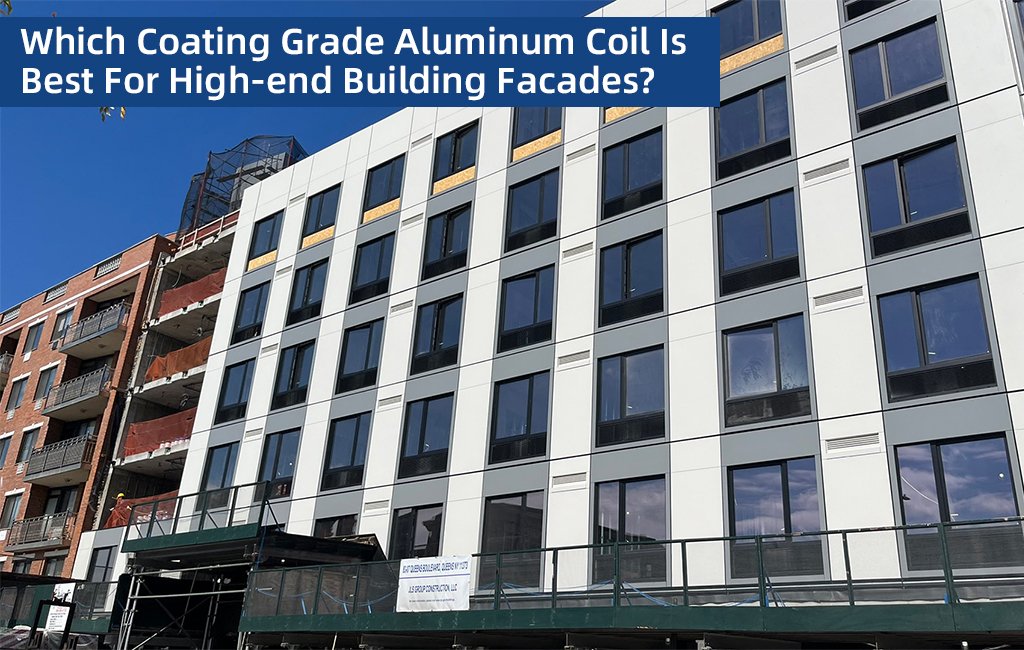
Direct Technical Answer (The Snapshot) For high-end architectural building facades, 70% Polyvinylidene Fluoride (PVDF) Architectural Coating applied over a high-performance Alloy 5052-H24 or Alloy 3004-H24 substrate is the optimal engineering specification. To meet the stringent requirements of premium curtain walls and exterior cladding, the coating system must strictly comply with the AAMA 2605 standard. This […]
Is HDP Coated Aluminum A Cost-effective Alternative To PVDF Coil?
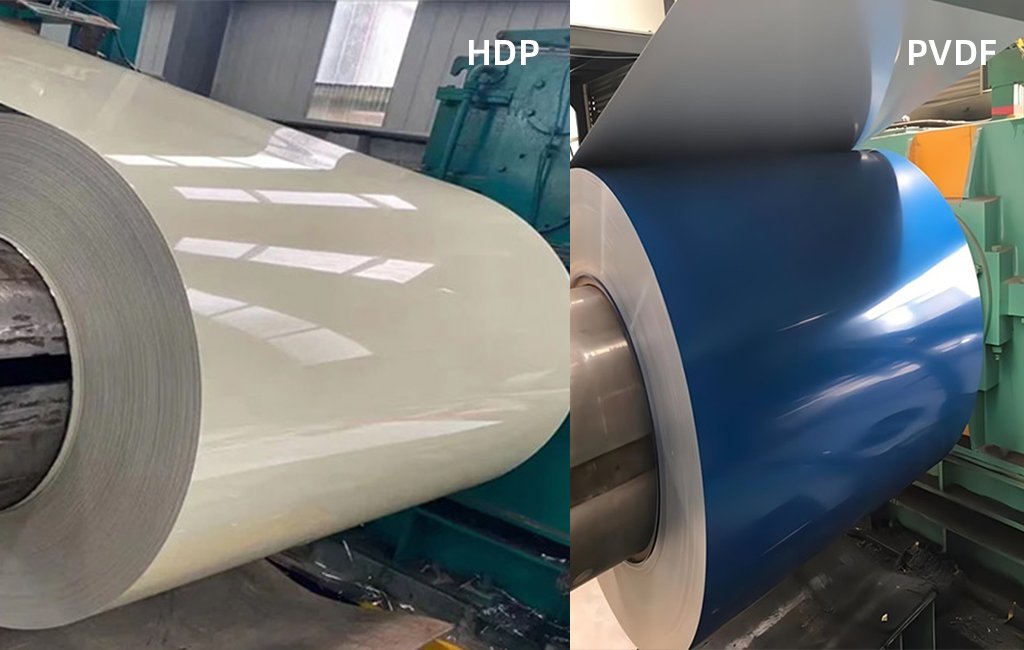
Direct Technical Answer (The Snapshot) Yes, High-Durability Polyester (HDP) coated aluminum is a highly cost-effective alternative to Polyvinylidene Fluoride (PVDF) coil, offering a 20% to 30% reduction in material procurement costs while retaining up to 80-85% of PVDF’s weathering performance. While PVDF (70/30 resin ratio) remains the gold standard for extreme UV exposure due to […]
What Thickness Of Color Coated Aluminum Coil Do I Need For Roofing?
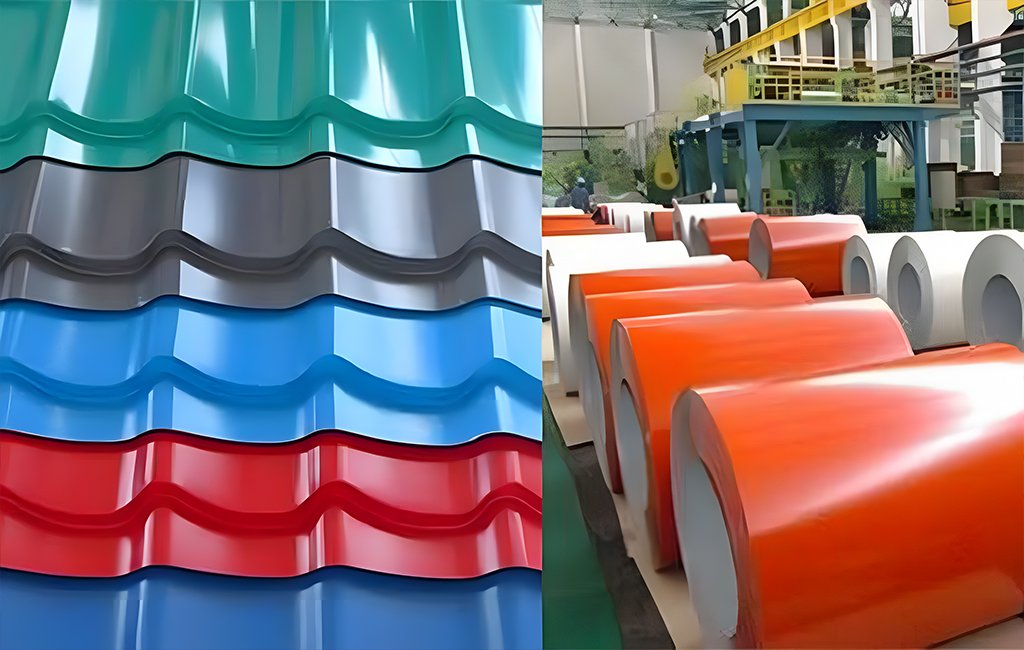
Optimal Thickness Selection for Color Coated Aluminum Roofing For industrial, commercial, and residential roofing, the required thickness of color coated aluminum coil typically ranges from 0.5 mm to 1.2 mm (0.020″ to 0.047″). The exact specification depends heavily on structural purlin spacing, local wind load requirements, and environmental corrosivity. For standard residential roofing with standard […]
What Is The Difference Between PE, HDP And PVDF Aluminum Coil?
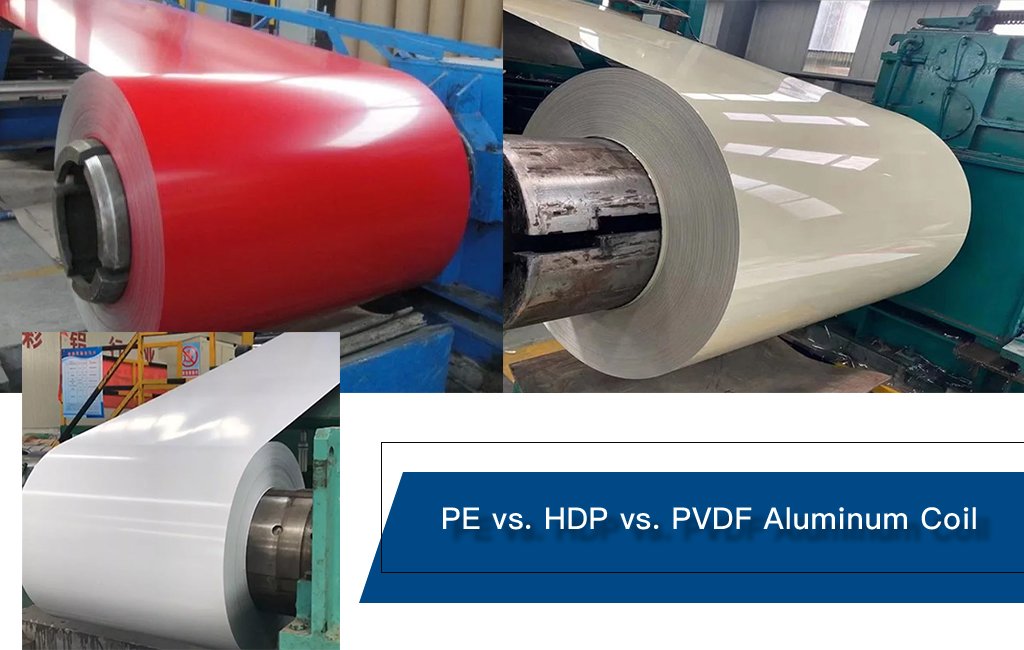
PE vs. HDP vs. PVDF Aluminum Coil: Core Technical Distinctions The fundamental difference between Polyester (PE), High Durability Polyester (HDP), and Polyvinylidene Fluoride (PVDF) pre-painted aluminum coils lies in their chemical resin architecture, which directly dictates their UV radiation resistance, gloss retention, and environmental lifespan. PE (Polyester) uses a standard thermoset macromolecular polymer structure suitable […]
What Is The Maximum Width Of Pre-painted Aluminum Coil?
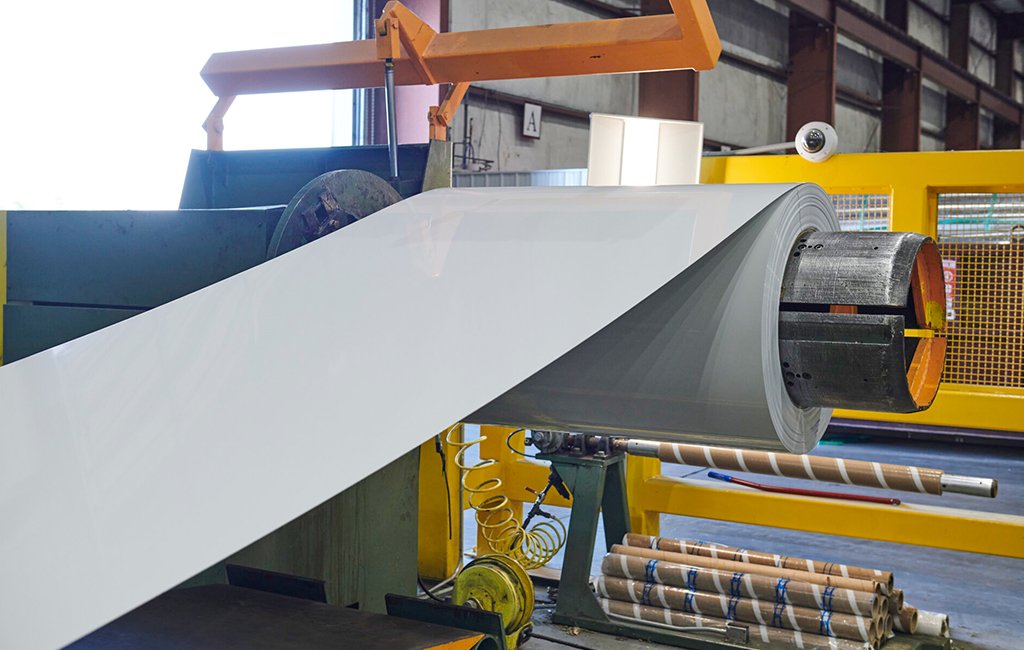
Maximum Width of Pre-painted Aluminum Coil: A Technical Specification Guide The maximum width of a pre-painted (color-coated) aluminum coil typically ranges from 1,600 mm to 2,000 mm (approximately 63 to 78.7 inches). This limit is fundamentally dictated by the mechanical constraints of continuous coil coating lines, specifically the clearance width of the degreasing entry accumulators, […]
How Many Years Does PVDF Coated Aluminum Last Outdoors?
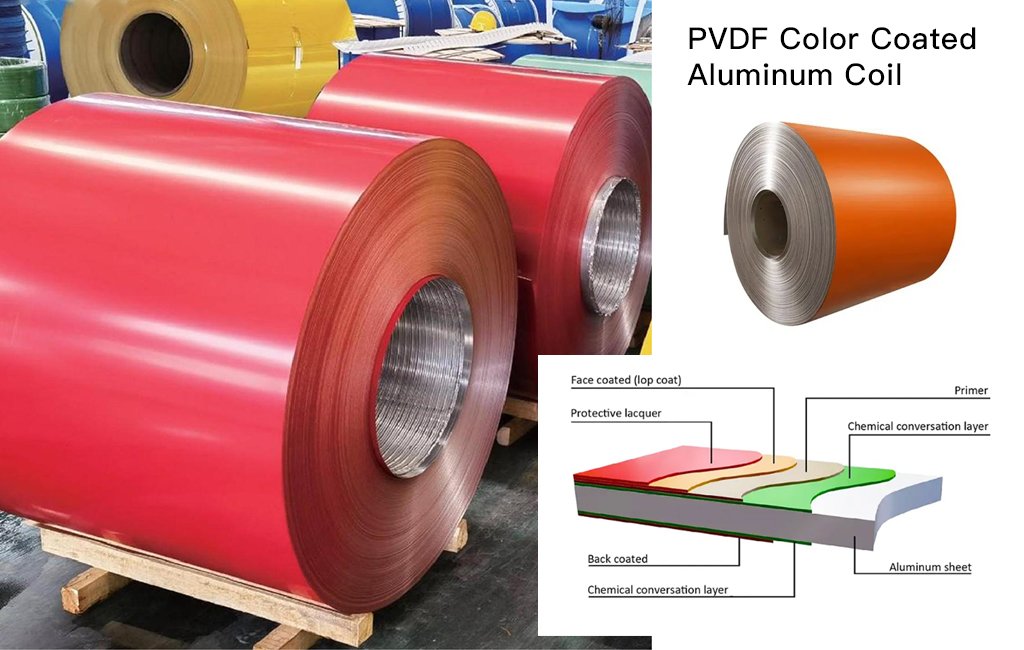
Expected Outdoor Service Life of PVDF-Coated Aluminum PVDF (Polyvinylidene Fluoride) coated aluminum structural components exhibit an outdoor service life of 20 to 30+ years without undergoing substantial structural degradation, chalking, or severe color fading. This long-term durability relies on the chemical stability of the fluoropolymer matrix, which consists of a 70% PVDF resin base blended […]
What Are The Types Of Color Coated Aluminum Coil?
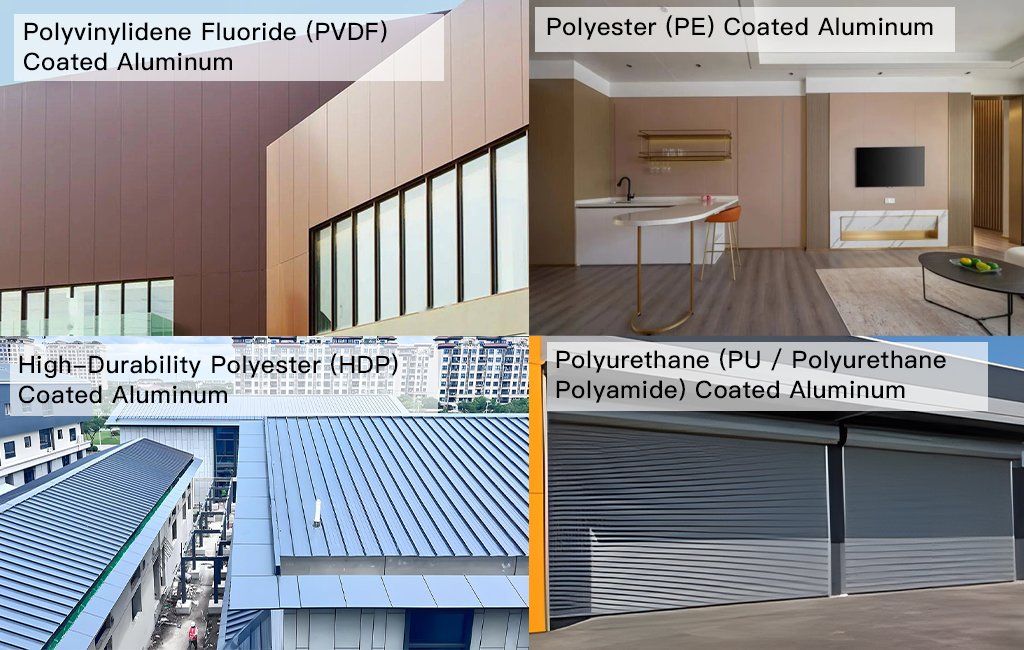
Classification of Color-Coated Aluminum Coils by Coating Chemistry Color-coated aluminum coils are primarily categorized by the chemical formulation of their surface coatings. Each polymer matrix delivers distinct levels of ultraviolet (UV) resistance, chemical stability, and mechanical flexibility. Polyvinylidene Fluoride (PVDF) Coated Aluminum PVDF coatings consist of a fluoropolymer resin matrix (typically 70% PVDF combined with […]
What Is PVDF Color Coated Aluminum Coil Used For?
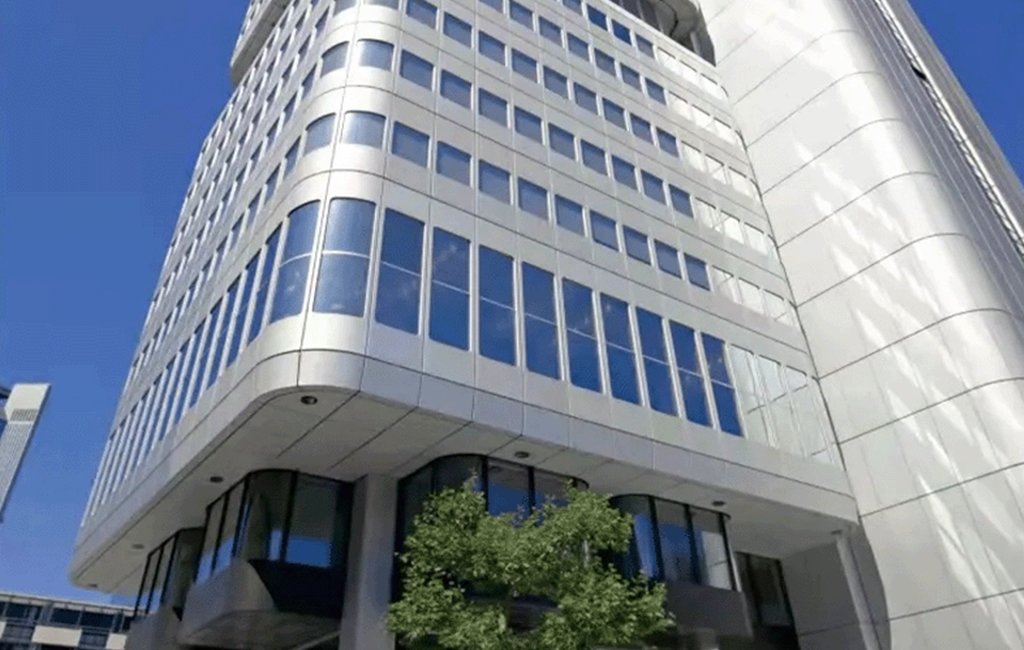
PVDF Color Coated Aluminum Coil Applications and Specifications PVDF (Polyvinylidene Fluoride) color-coated aluminum coil is primarily used in architectural exterior envelopes, industrial roofing, and high-exposure infrastructure due to its exceptional weatherability and chemical resistance. Coated with a fluorocarbon resin containing a minimum of 70% Kynar 500 or Hylar 5000, these coils comply with AAMA 2605 […]
What are the advantages of chromate-free pretreatment systems for color-coated aluminum coils from an environmental perspective?

Advantages of Chromate-Free Pretreatment Systems for Color-Coated Aluminum Coils Chromate-free pretreatment systems for color-coated aluminum coils replace traditional hexavalent chromium (CrVICr^{\mathrm{VI}}) conversions with advanced chemical formulations based on titanium (Ti), zirconium (Zr), or silane-based nanotechnology. From an environmental and regulatory perspective, these systems completely eliminate the release of highly toxic, mutagenic, and carcinogenic hexavalent chromium […]
What are the most common quality tests performed on color-coated aluminum coils before they leave the factory?
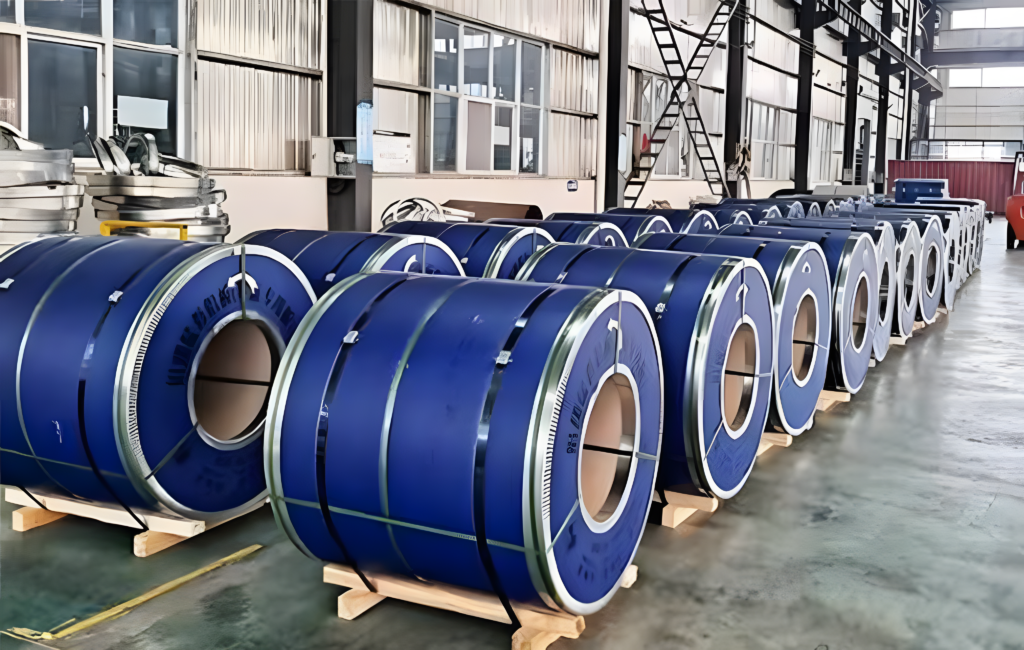
Factory Quality Testing for Color-Coated Aluminum Coils Before leaving the factory, color-coated aluminum coils must undergo rigorous quality control testing to ensure mechanical integrity, coating adhesion, and environmental durability. Industry specifications mandate a baseline protocol including Coating Thickness Verification (ISO 2360), MEK Solvent Resistance Rub Testing (ASTM D5402), T-Bend Flexibility Evaluation (ASTM D4145), Impact Resistance […]
What are the key details for preventing the degradation of colored aluminum coatings?

Key Details for Preventing the Degradation of Colored Aluminum Coatings To prevent the degradation of colored aluminum coatings, engineering specifications must mandate a multi-layered protection strategy: a 70% Polyvinylidene Fluoride (PVDF) fluoropolymer topcoat with a minimum dry film thickness (DFT) of 25 μm complying with AAMA 2605-20, applied over a chemically converted substrate (chromate or […]