
Filiform Corrosion: A Silent Threat To Pre‑Painted Aluminum Facades
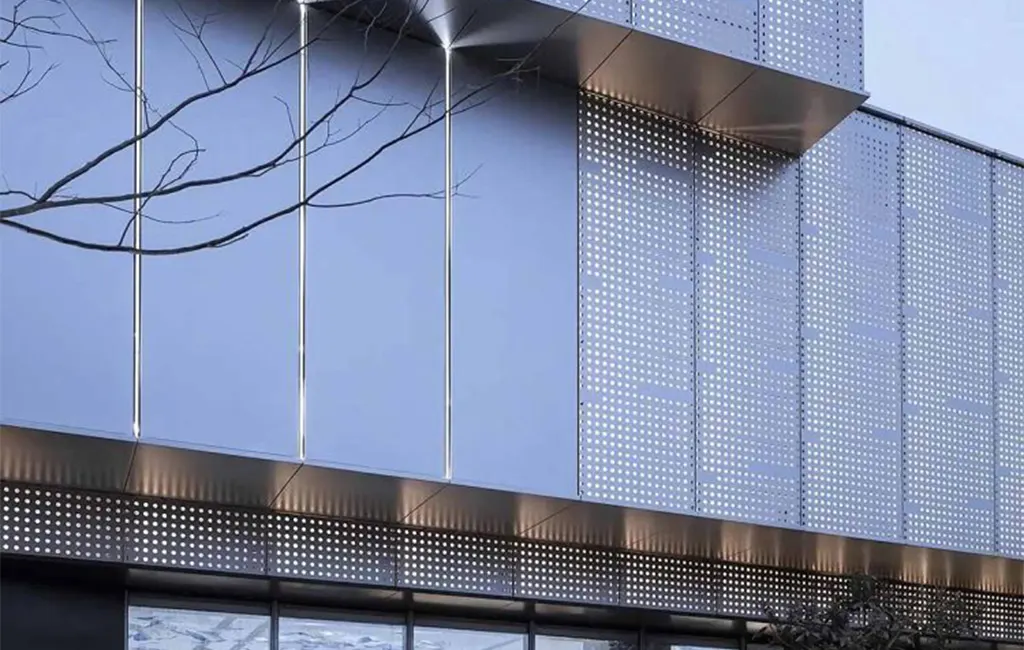
Filiform Corrosion Mechanisms in Pre-Painted Aluminum Facades Filiform corrosion is a specialized form of localized, thread-like corrosion occurring under thin organic coatings (20–100 μm) on aluminum alloys, primarily driven by moisture and halide ingress (predominantly chloride ions Cl−\text{Cl}^-). It initiates at bare edges, cut scratches, or coating defects where the metal interface is exposed to […]
Container Condensation: Preventing Coil-Core Corrosion in Ocean-Shipped Color-Coated Aluminum
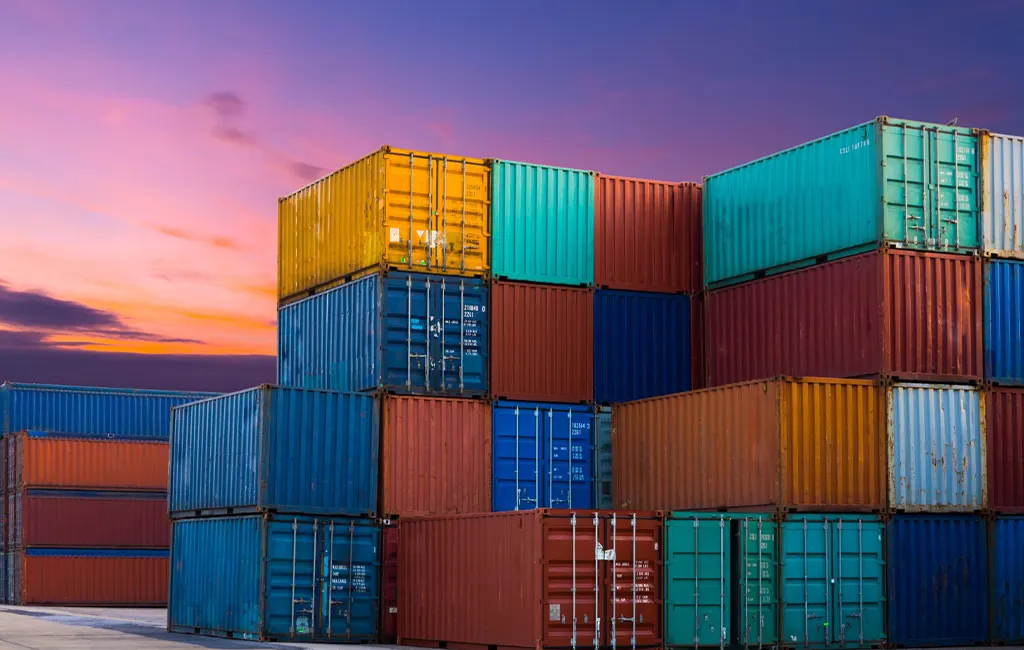
Ocean transit exposes color-coated aluminum coils to severe humidity cycles, temperature fluctuations, and airborne chlorides, driving capillary condensation between coil wraps. Preventing coil-core corrosion requires controlling relative humidity (RH) inside the package below 40%, applying high-performance pre-treatments, and maintaining rigid physical barrier protocols. Utilizing 3000-series (3003/3105) or 5000-series (5052) aluminum alloys pre-treated with chromate or […]
T-Bend Specification: Stop Ignoring This Parameter On Your PPAL Purchase Order

T-Bend in Pre-Painted Aluminum (PPAL) Procurement T-Bend testing (ASTM D4145 [1]/ EN 13523-7) measures the flexibility and adhesion of organic coatings on pre-painted aluminum (PPAL) coils during cold forming. Defined as the minimum bend radius required to prevent coating cracking or tape pickup (loss of adhesion) when folded 180° back on itself, T-bend directly dictates […]
Why Back‑Coat Matters For Your Pre‑Painted Aluminum Coil Shipments

Back-Coat Specification & Functional Role in Pre-Painted Aluminum Coils The back-coat (wash coat or reverse-side paint) on a pre-painted aluminum coil is a continuous protective polymer film—typically 5 to 8 μm of polyester or epoxy formulation—applied to the non-exposed interior side during the continuous coil coating process. It serves four primary functions: preventing galvanic and […]
Pre‑Painted Aluminum for Signage & Advertising Panel: Gloss Retention & Anti‑Graffiti Coating Options

Technical Performance of Pre-Painted Aluminum for Signage & Advertising Panels Pre-painted color aluminum panels specified for architectural signage and outdoor advertising rely on high-grade aluminum alloys (AA3003-H14 or AA5052-H32) coated with specialized resin systems to balance long-term gloss retention with surface cleanability. High-exposure outdoor signage requires a topcoat formulation engineered to resist UV-induced photo-oxidation, thermal […]
Pre‑Painted Aluminum for Recreational Vehicle(RV) Exterior Trim: Formability & Salt‑Spray Requirements

Technical Overview of Pre-Painted Aluminum for RV Exterior Trim Pre-painted aluminum coil and sheet specified for Recreational Vehicle (RV) exterior trim—including corner moldings, roof edges, and beltlines—require an optimal balance of high yield formability and rigorous atmospheric corrosion resistance. Typically engineered using 3000-series (e.g., 3003, 3105) or 5000-series (e.g., 5052) aluminum-manganese/magnesium alloys in H14, H16, […]
Two‑Coat vs Three‑Coat PVDF Pre‑Painted Aluminum: Performance Difference for Coastal Salt‑Spray Environment

Structural & Performance Differences: Two-Coat vs. Three-Coat PVDF Pre-Painted Aluminum Two-coat PVDF pre-painted aluminum features a 5 μm primer and a 20–25 μm fluoropolymer topcoat, achieving an overall dry film thickness (DFT) of 25–30 μm that complies with AAMA 2605 standards. Three-coat systems add a 10–15 μm clear topcoat (clear coat) over the color coat, […]
What Is FEVE Fluorocarbon Coated Aluminum?
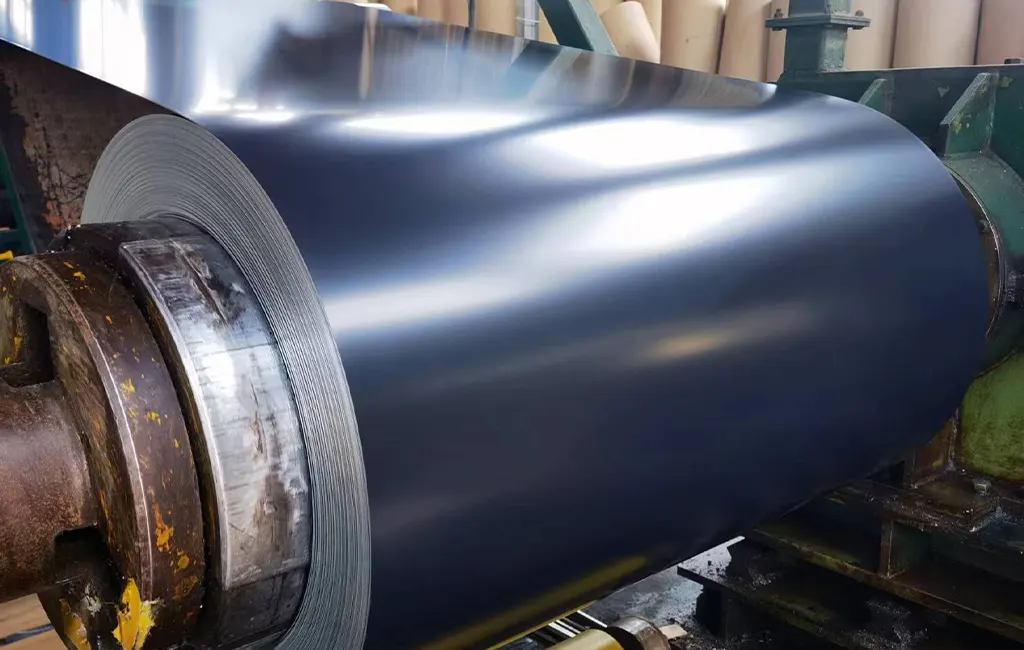
FEVE (Fluoroethylene Vinyl Ether) fluorocarbon coated aluminum is a high-performance color-coated aluminum substrate engineered with an alternating copolymer resin matrix. Unlike traditional thermoplastic coatings, FEVE utilizes a thermosetting or ambient-curing fluoroethylene-vinyl ether polymer structure that delivers exceptional ultra-violet (UV) degradation resistance, weatherability, and chemical inertness. It meets or exceeds AAMA 2605-20 and EN 1396 standards, […]
SMP vs PVDF Pre‑Painted Aluminum: Service‑Life, Cost‑Trade‑Off for Mid‑Tier Exterior Projects
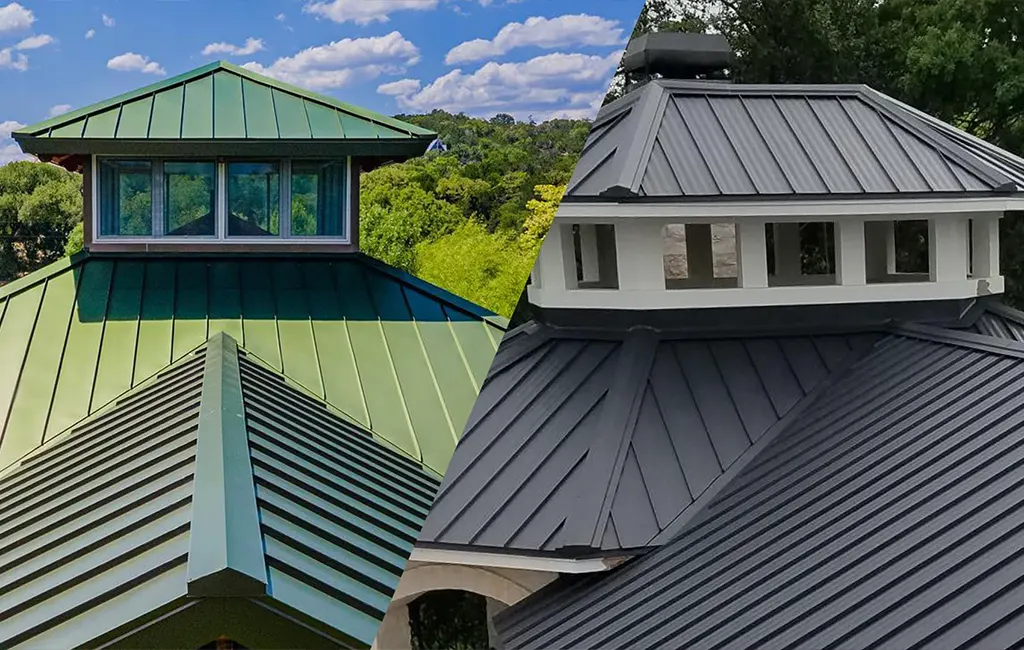
Technical Comparison: SMP vs. PVDF Pre-Painted Aluminum for Exterior Applications Silicone-Modified Polyester (SMP) and Polyvinylidene Fluoride (PVDF) represent two primary coil-coating resin systems specified for mid-tier exterior architectural projects like industrial roofing, commercial facades, and wall cladding. Selecting between them requires balancing upfront raw material expenditures against long-term maintenance cycles. While SMP provides higher surface […]
Sea‑Freight Risks for Pre‑Painted Aluminum Coils: Preventing Coil‑Core Corrosion During Ocean Shipment
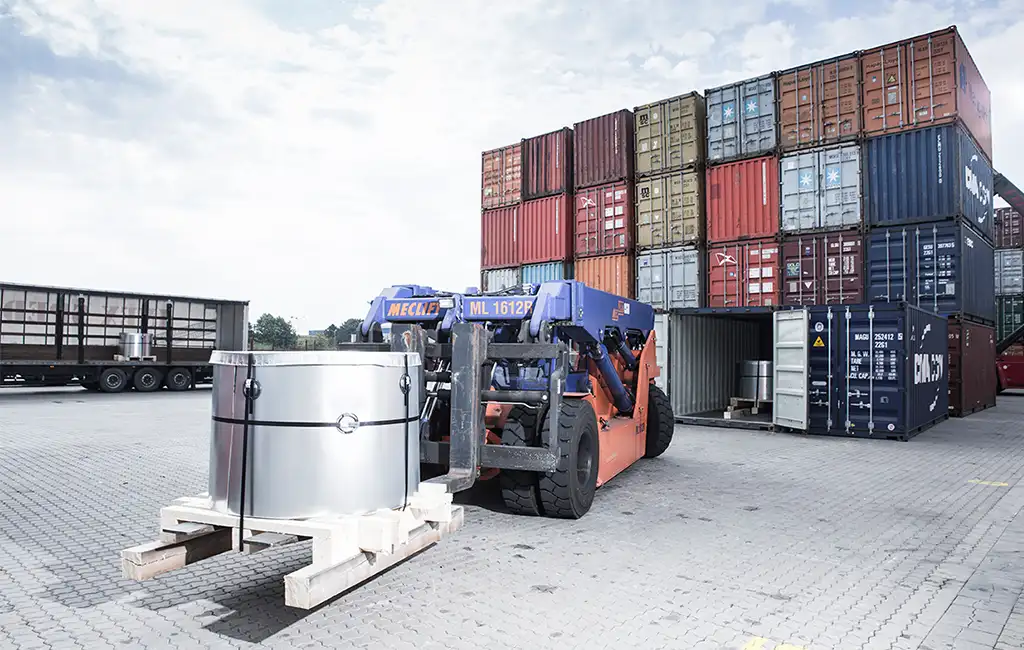
Pre-painted aluminum coils shipped via ocean freight face severe risks of coil-core corrosion—primarily driven by moisture entrapment, high relative humidity (RH > 80%), and extreme temperature fluctuations inside freight containers that trigger the “container rain” phenomenon. When water vapor condenses between tightly wound coil wraps, capillary action draws moisture deep into the core. Deprived of […]
Coating Chalking of Pre‑Painted Aluminum: Why PE Coatings Chalk Fast In Desert High‑UV Regions
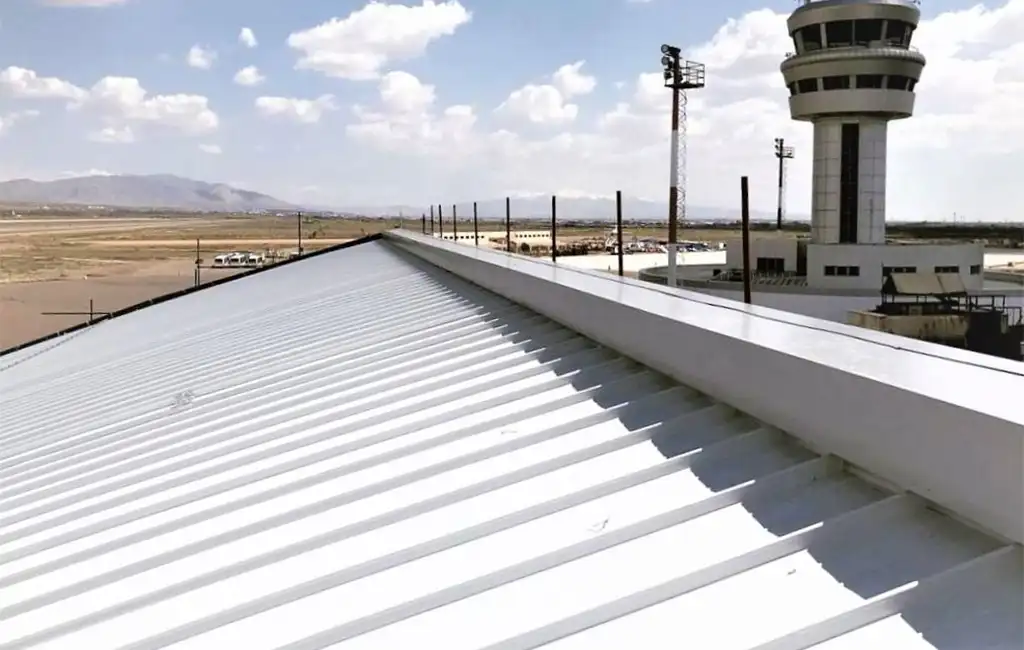
Polyethylene (PE) or polyester-based color-coated aluminum undergoes accelerated chalking in desert environments due to intense ultraviolet (UV-A and UV-B) radiation combined with extreme surface temperatures (often exceeding 70°C). Photo-oxidation breaks down the resin’s binder matrix, liberating embedded pigments as a fine white powder (chalk). Unlike Fluoropolymer (PVDF) systems, standard polyester resins lack high-energy carbon-fluorine (C-F) […]
Pressure‑Sensitive Protective Film Residue on Color‑Coated Aluminum: How To Avoid Sticky Contamination
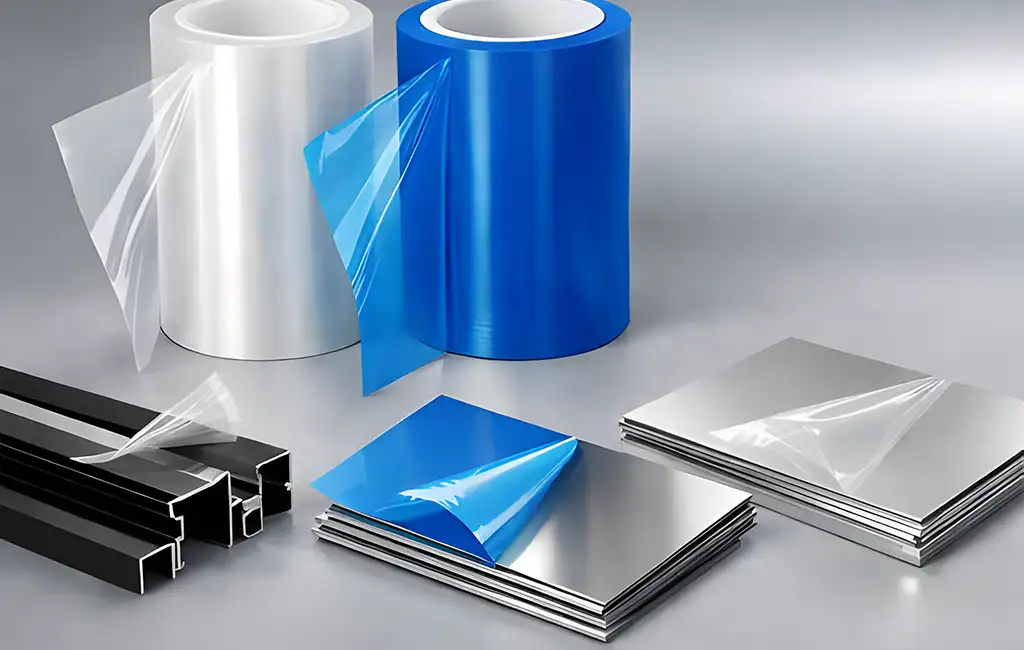
Understanding Pressure-Sensitive Protective Film Residue on Color-Coated Aluminum Pressure-sensitive protective films (PE/PET) applied to color-coated aluminum leave acrylic or rubber adhesive residue when the bond strength exceeds the cohesion of the adhesive layer. This glue contamination typically occurs due to UV degradation of the polymer backbone, excessive thermal exposure, or improper peel angles. Under direct […]